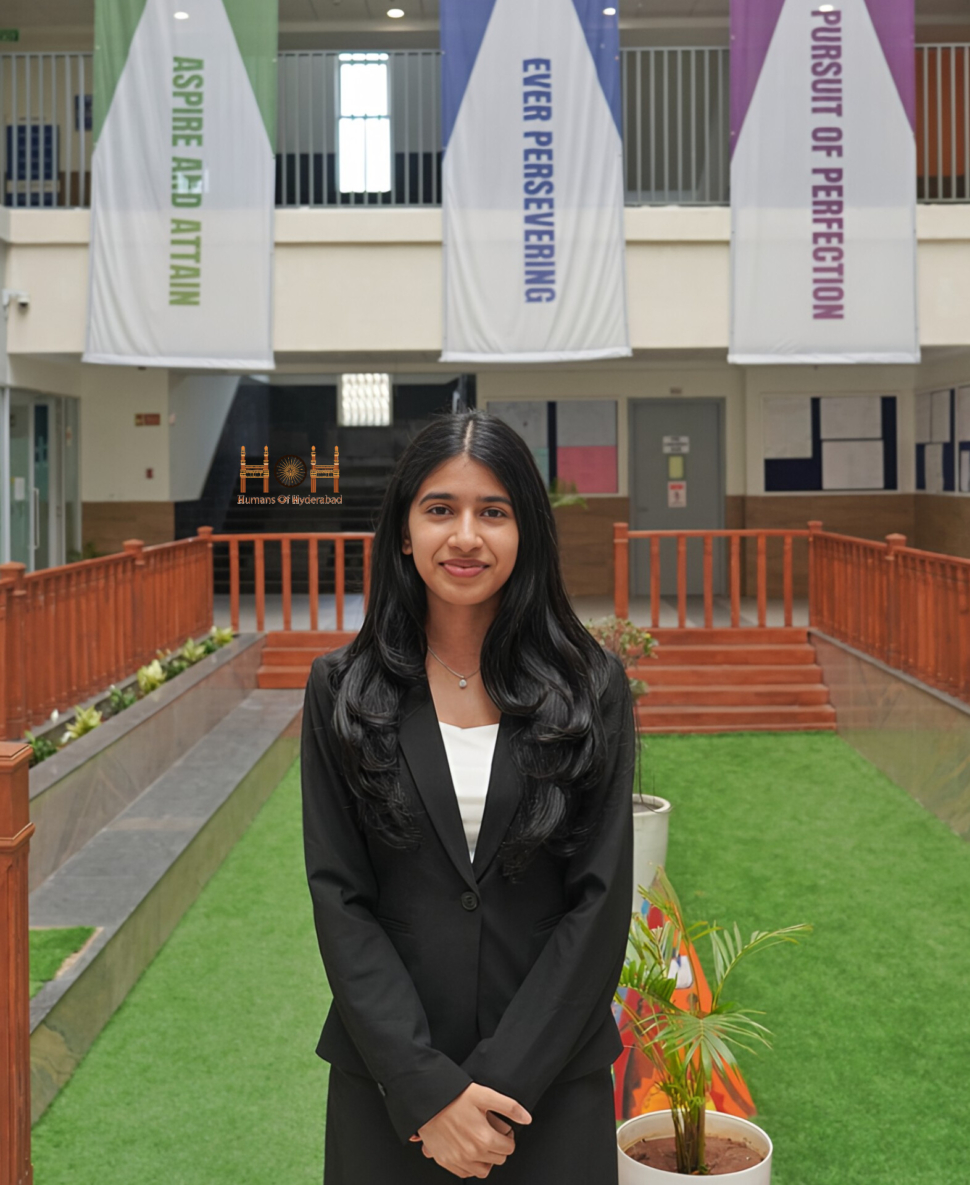
“I grew up watching the adults around me show up quietly for others, without expecting recognition. Care was always present, steady, unspoken, and deeply human. That stayed with me from a very young age.
My understanding of caregiving changed deeply when my grandfather was diagnosed with stage 4 lymphoma. During that time, my father became his primary caregiver. He was there through hospital visits, treatments, long nights, and moments of uncertainty. He carried not just the physical responsibilities, but the emotional weight of holding our family together.
What stayed with me wasn’t only the care my grandfather received. It was what was missing. Everyone constantly asked how my grandfather was doing. No one stopped to ask my father how he was. No one checked in on the caregiver. That silence stayed with me and made me realise how invisible caregivers often are, expected to be endlessly resilient while quietly burning out.
Before this journey began, school was where most of my world existed. I was focused on academics, but I was also someone who noticed people, classmates who were stressed, overwhelmed, or carrying more than they spoke about. Being in school made me aware of how easily emotional well-being gets pushed aside in high-pressure spaces.
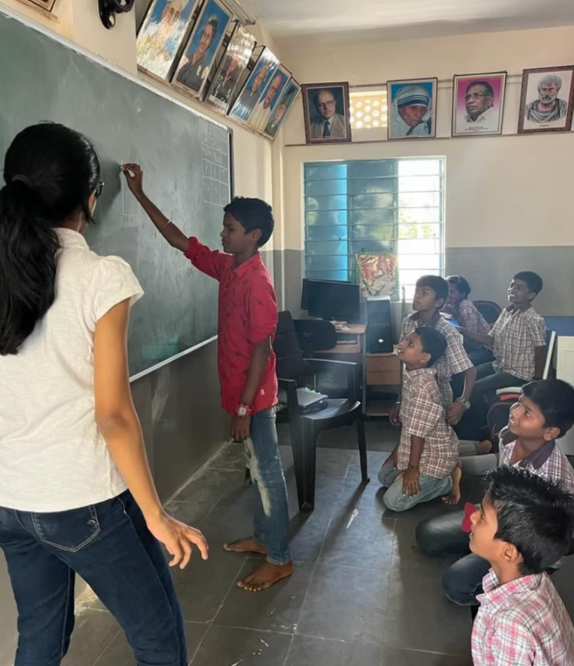
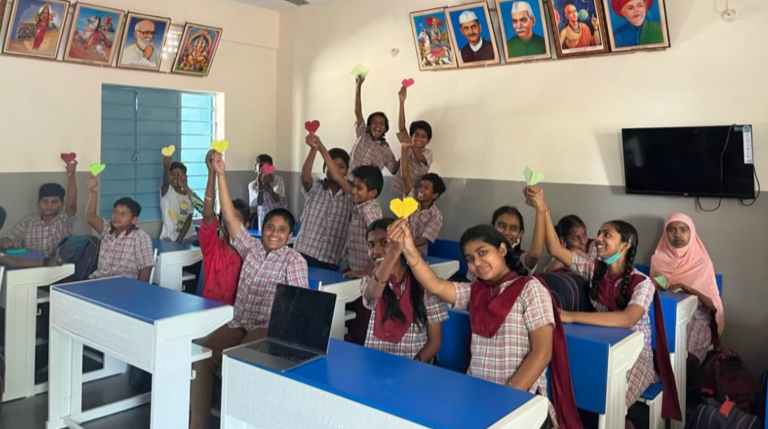
That awareness deepened when I began conducting mental health and wellness sessions in government schools across Hyderabad. There, I met children who were already caregivers, caring for sick parents or grandparents, looking after younger siblings, managing households, and still showing up to school every day. Many of them were caregivers long before they had the language for it.
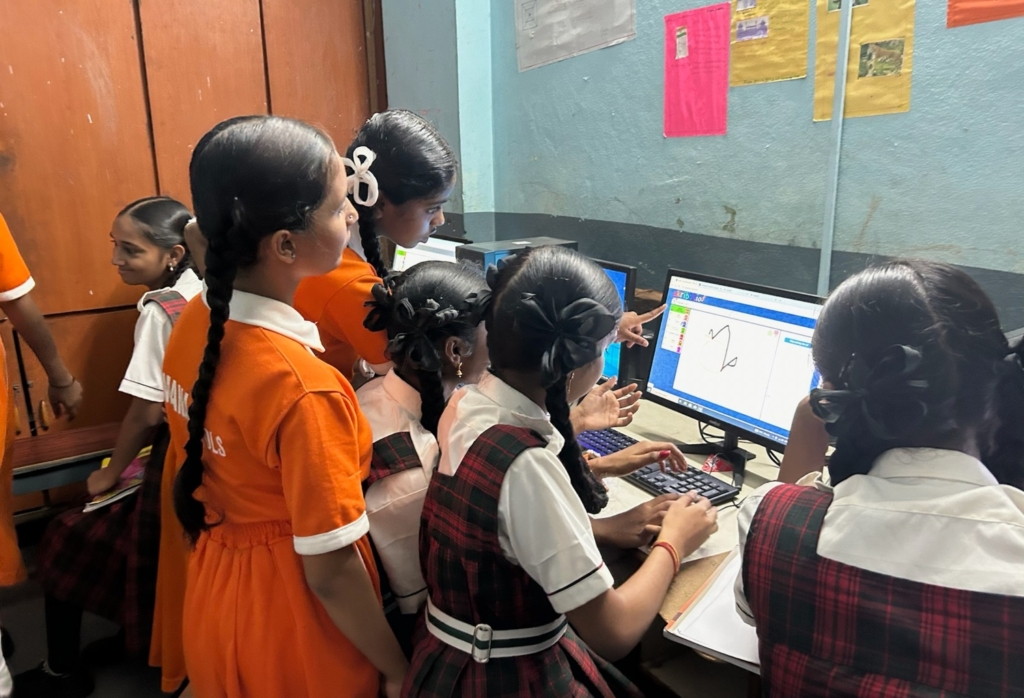
For many students, those sessions were the first time someone had asked how they were doing. Sitting in those classrooms made me realise that caregiving doesn’t have an age, and that support is not a luxury, it’s a necessity.
I’m currently in Grade 12, and alongside school, I began working on a mobile application named WellNest focused on mental health support for caregivers. The idea came from a growing realisation that caregivers are constantly expected to be strong, present, and selfless, while rarely being given tools to care for themselves.
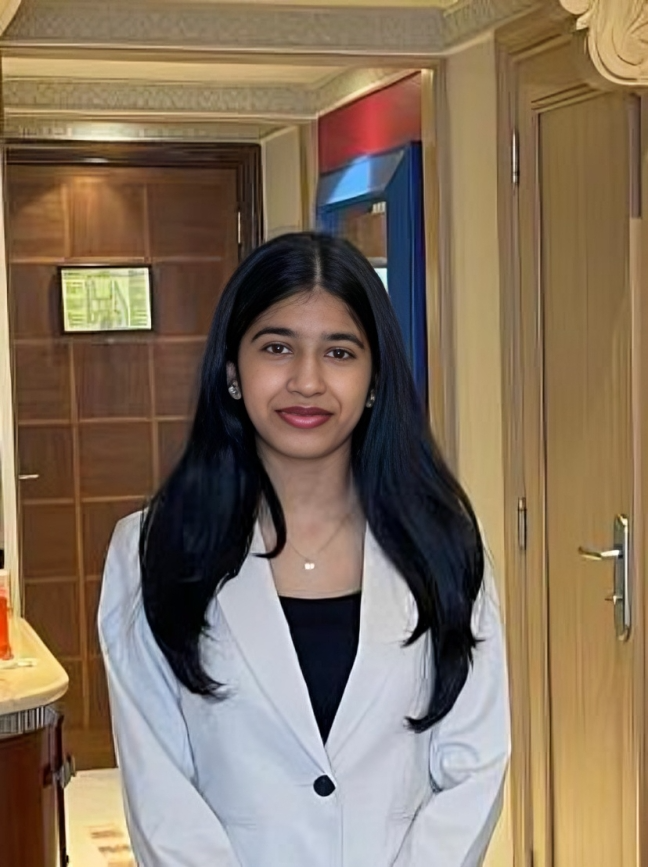
I spent months researching, interviewing caregivers, and trying to understand what support could actually look like in their everyday lives. That work led to my research paper being published in the International Journal of Humanities and Social Science, titled “Caregiving in the Digital Age: Exploring Technological and AI-Based Interventions for Mental Health.”
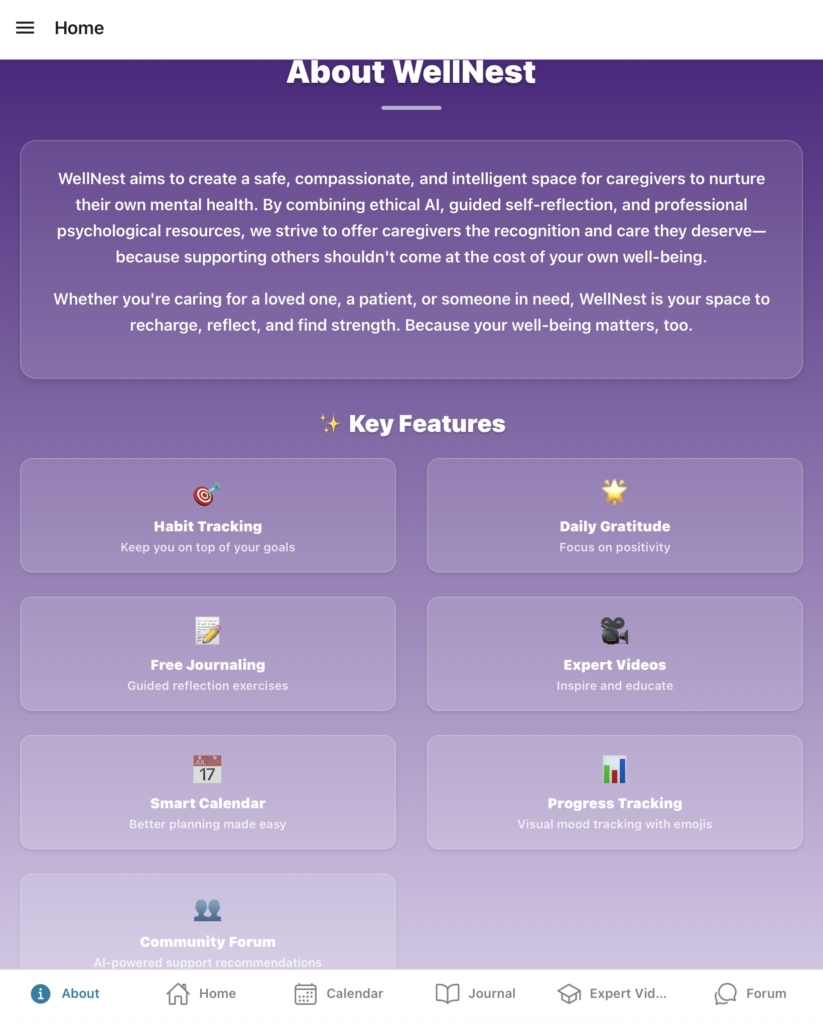
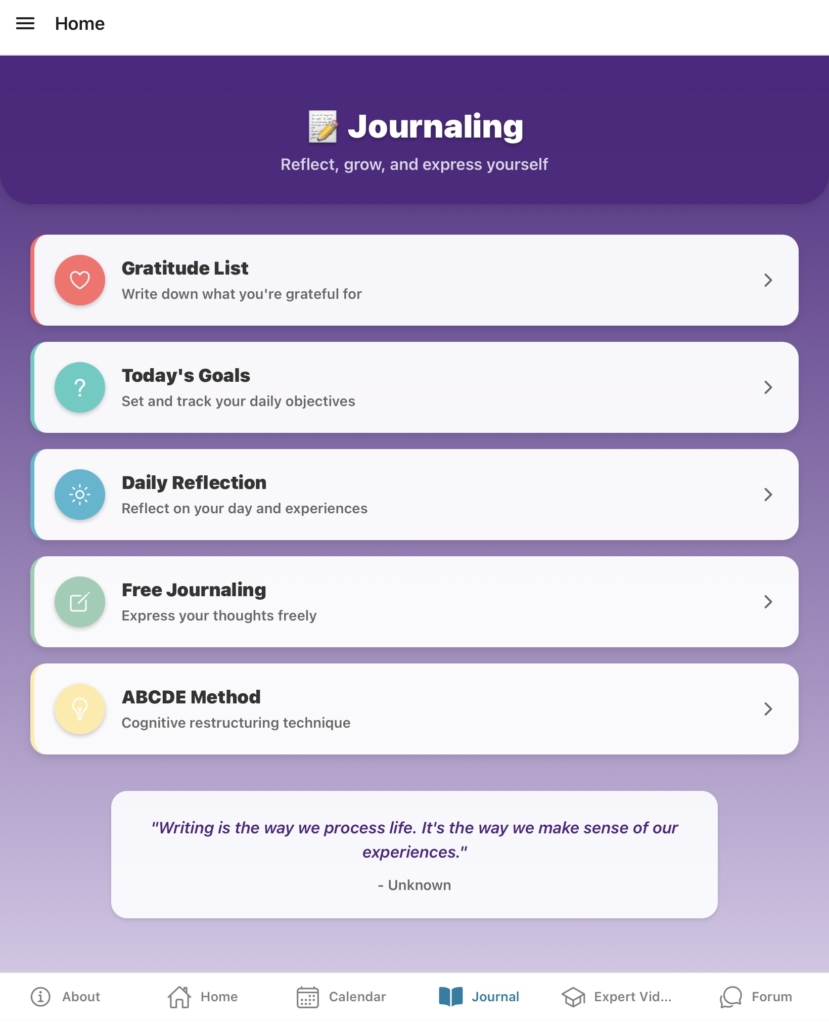
Based on those insights, I designed the app carefully, including a community forum with AI-powered sentiment analysis to help detect burnout early and offer gentle support. The hardest part was making sure it didn’t feel clinical or intrusive. I wanted it to feel safe, human, and genuinely supportive.
Balancing school, exams, field work, and app development hasn’t been easy, but this never felt like something separate from my student life. With supportive teachers and a school community that believed in what I was doing, I learned to manage my time with intention and purpose.
As the work grew, I began partnering with NGOs across India. That shift taught me that caregiving challenges cut across cities, languages, and regions. While contexts differ, the emotional realities remain deeply similar. Collaboration showed me that real impact happens when students, communities, and organisations work together.
I don’t see my identity as a student and this work as two different paths. I see them growing together. More than anything, I hope caregivers feel seen when they come across my work. I hope they feel validated, supported, and reminded that their well-being matters too.
If even one caregiver feels a little less alone through this journey, then every step of it has been worth it.
— Lasya Penumalli