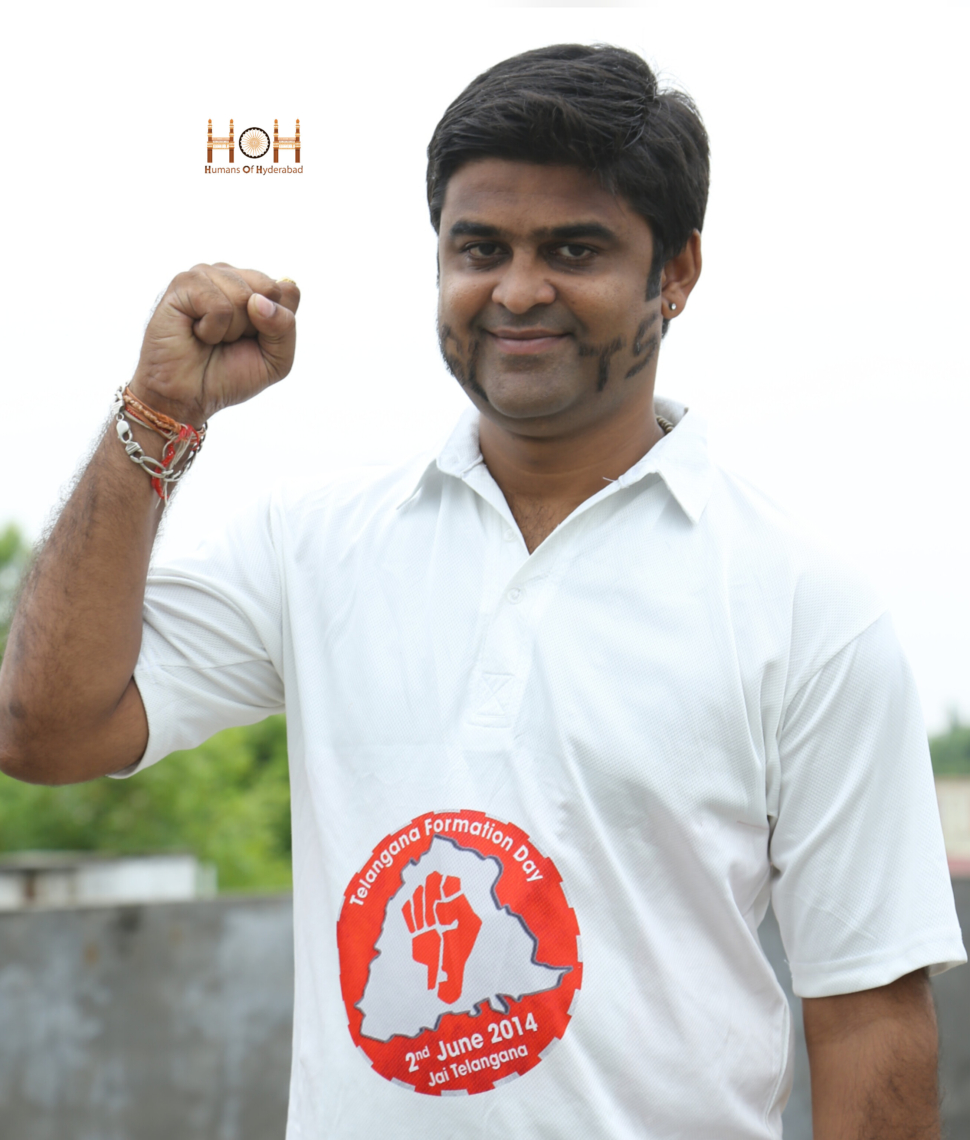
“Growing up in Warangal, I was surrounded by the spirit of people’s movements. This city had always been at the forefront of struggles for rights and justice, and the Telangana statehood movement was no exception.
By 2006, as a student, I became actively involved. For many of us, it was the first time we truly understood the issues surrounding Telangana’s water, funds, jobs, and identity. We spoke in colleges, organized awareness programs, and joined student-led campaigns that were gaining momentum across the region.
In 2009, while pursuing my master’s degree in the UK, I remained deeply connected to the movement. As a founding member of the Telangana Development Forum (UK), I helped organize seminars, meetings, and digital campaigns to raise awareness among the diaspora and international audiences.
One of the most painful moments came in December 2009, when the Centre reversed its initial announcement on Telangana statehood. The disappointment was immense, but it only strengthened the resolve of the people. Across Telangana, candlelight marches, student protests, detentions, and lathi charges became common. Many students made unimaginable sacrifices for the cause.
When I returned to India in 2010, the movement had entered a decisive phase. The years that followed witnessed some of the largest mass mobilizations in Telangana’s history. Under the leadership of the Telangana Joint Action Committee, protests such as Million March, Sakala Janula Samme, Rail Roko, Vanta Varpu, and Sagara Haram brought together students, employees, teachers, lawyers, farmers, artists, and ordinary citizens.
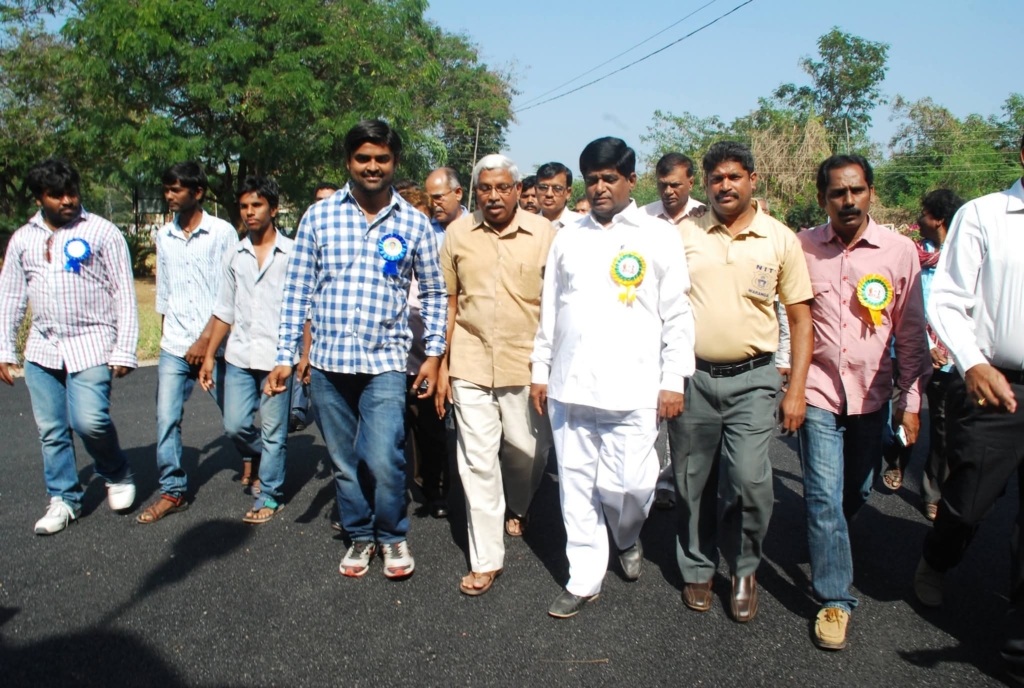
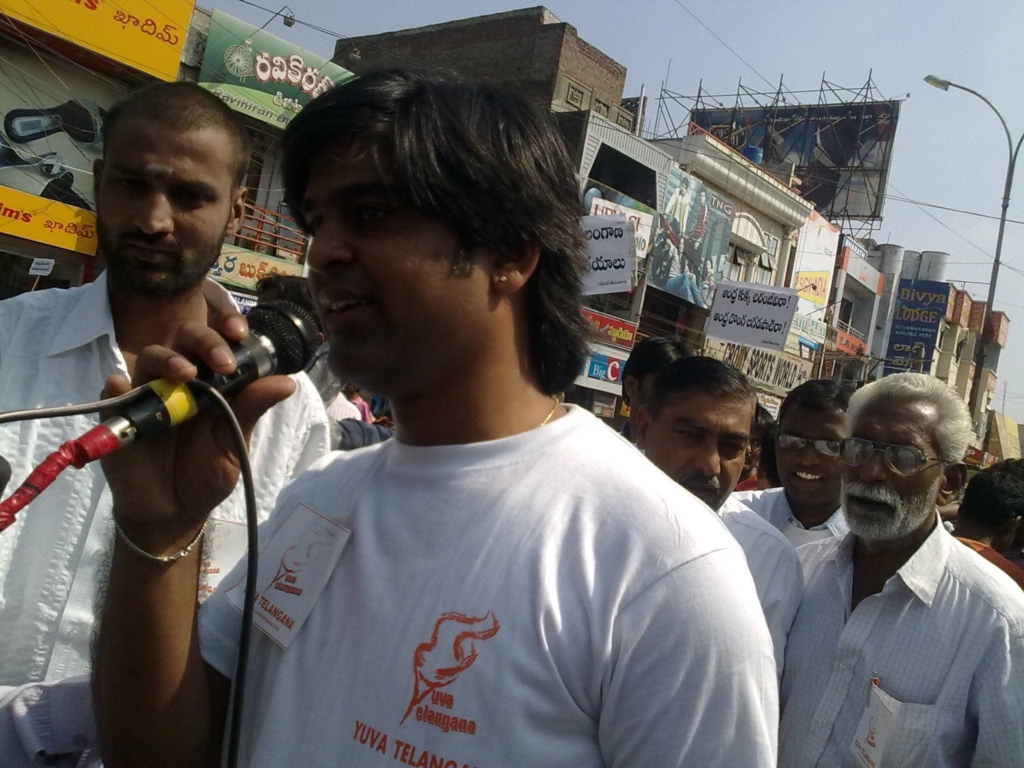
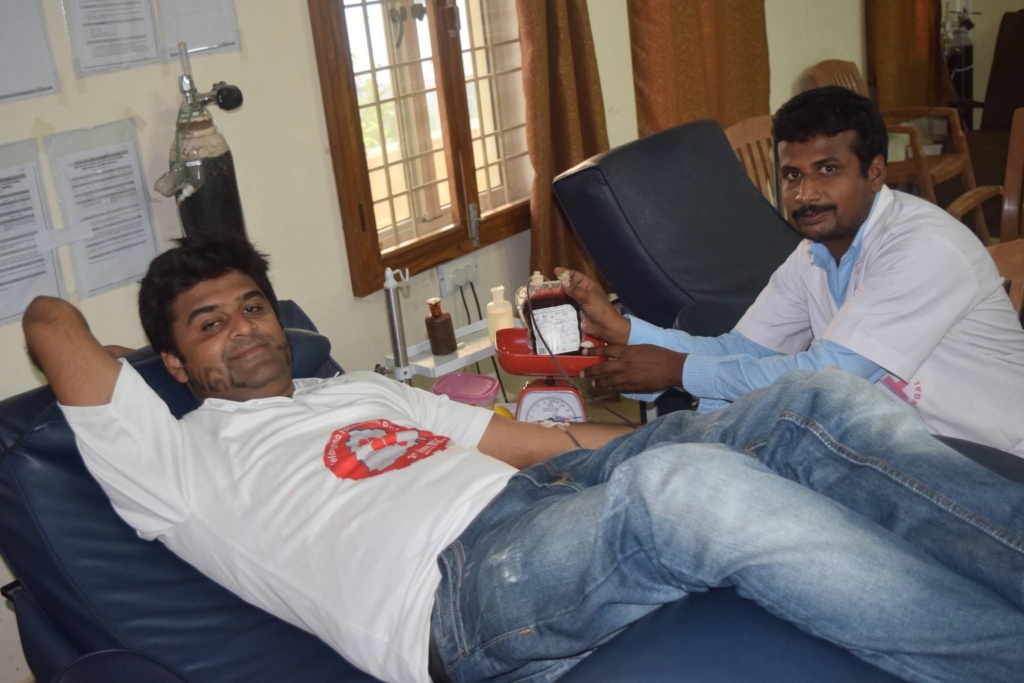
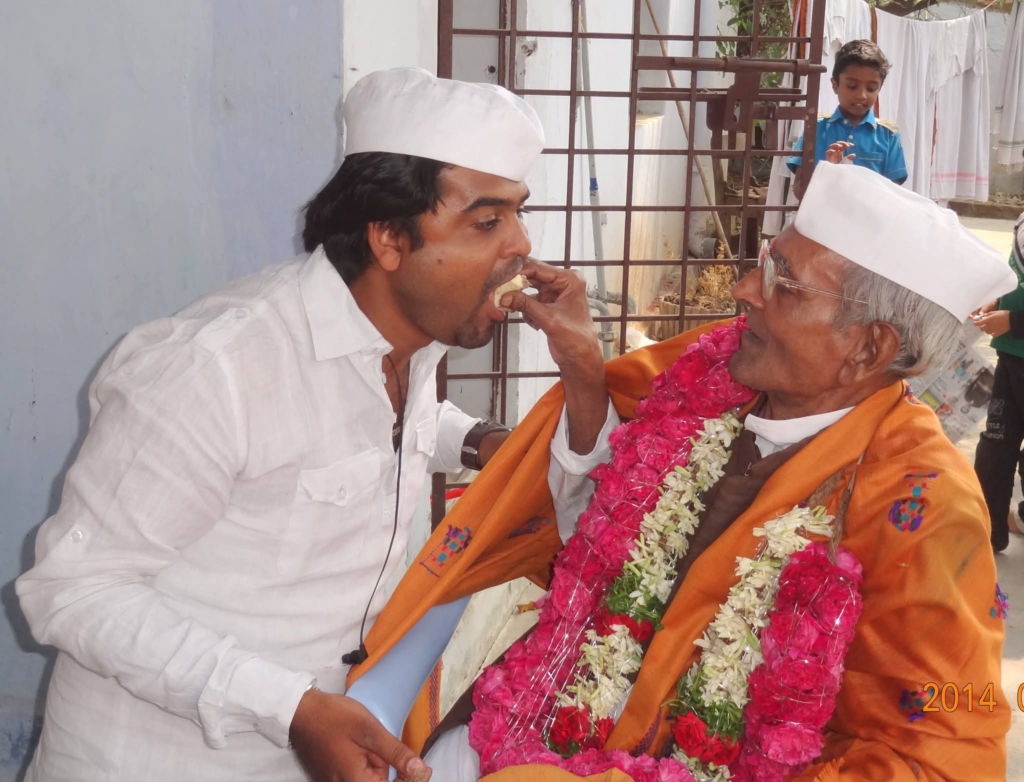
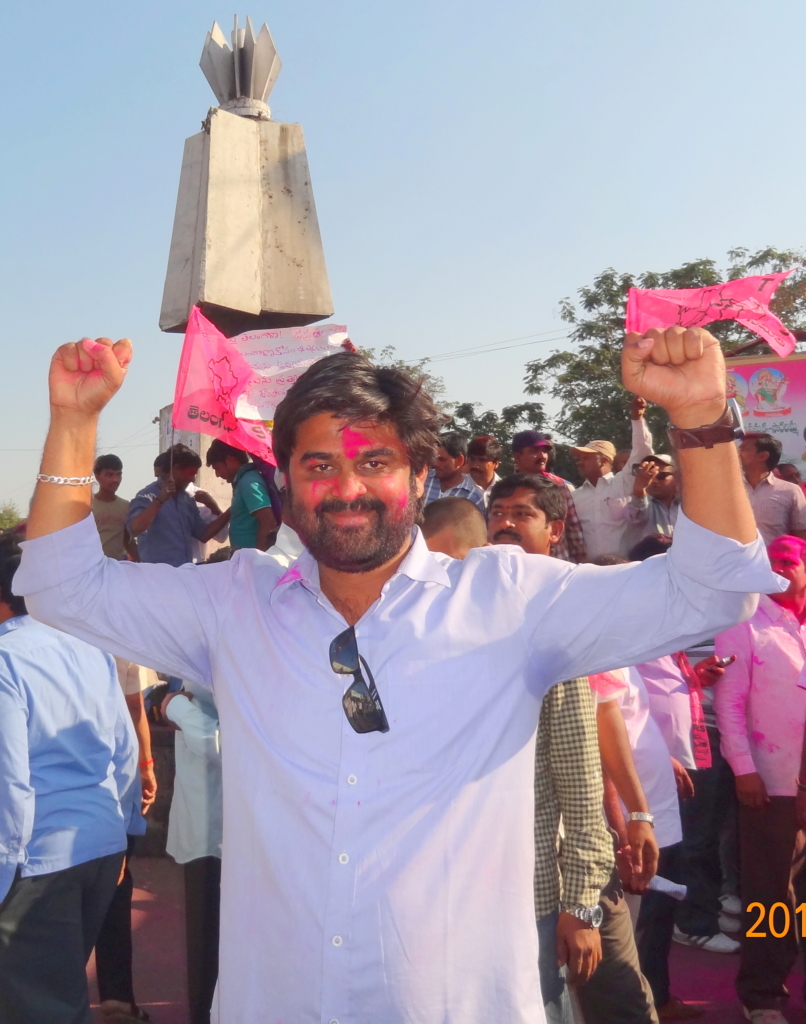
The Sakala Janula Samme became one of the defining moments of the movement, as government employees, teachers, transport workers, miners, and others participated in a prolonged strike that brought normal life to a standstill across the region. Million March transformed Hyderabad into the focal point of the agitation, while Rail Roko and other forms of civil protest demonstrated the determination of people demanding statehood.
Universities such as Osmania University and Kakatiya University emerged as important centers of mobilization. Students played a leading role, often facing detentions, restrictions, and police action. Despite these challenges, the movement only grew stronger.
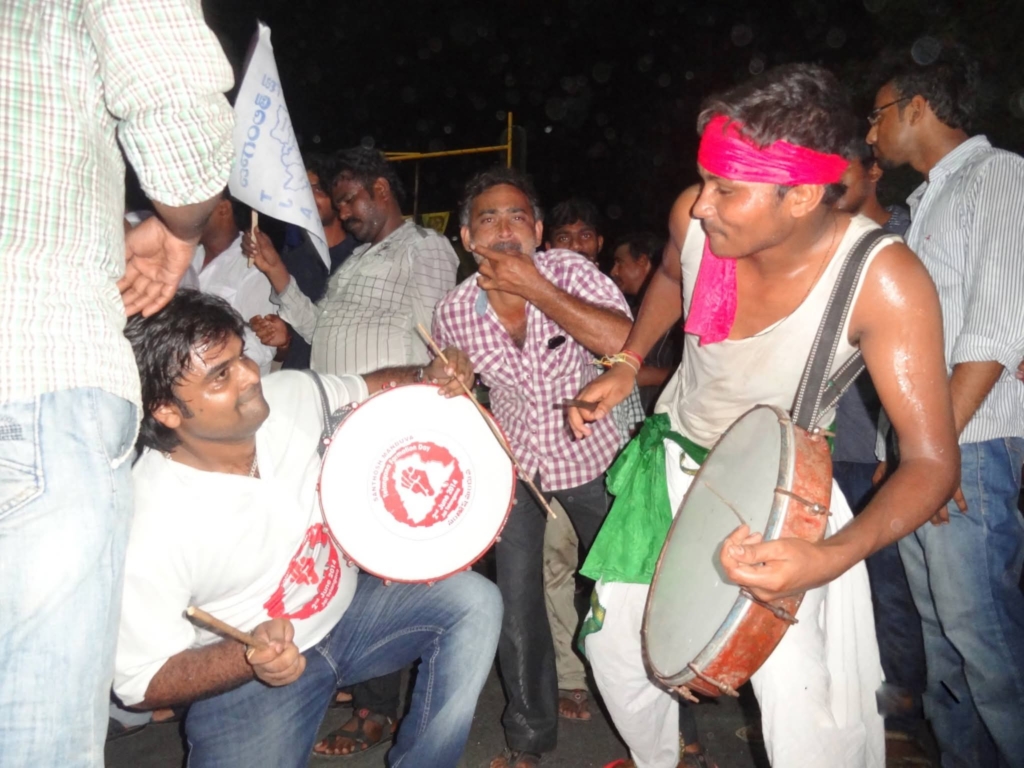
I was particularly involved in digital activism through the Telangana Netizens Forum. At a time when social media was becoming increasingly influential, we used online platforms to counter misinformation, document events, share Telangana’s history, and amplify voices from the ground. What began as a political demand gradually evolved into a broader cultural awakening that celebrated Telangana’s language, traditions, folklore, and identity.
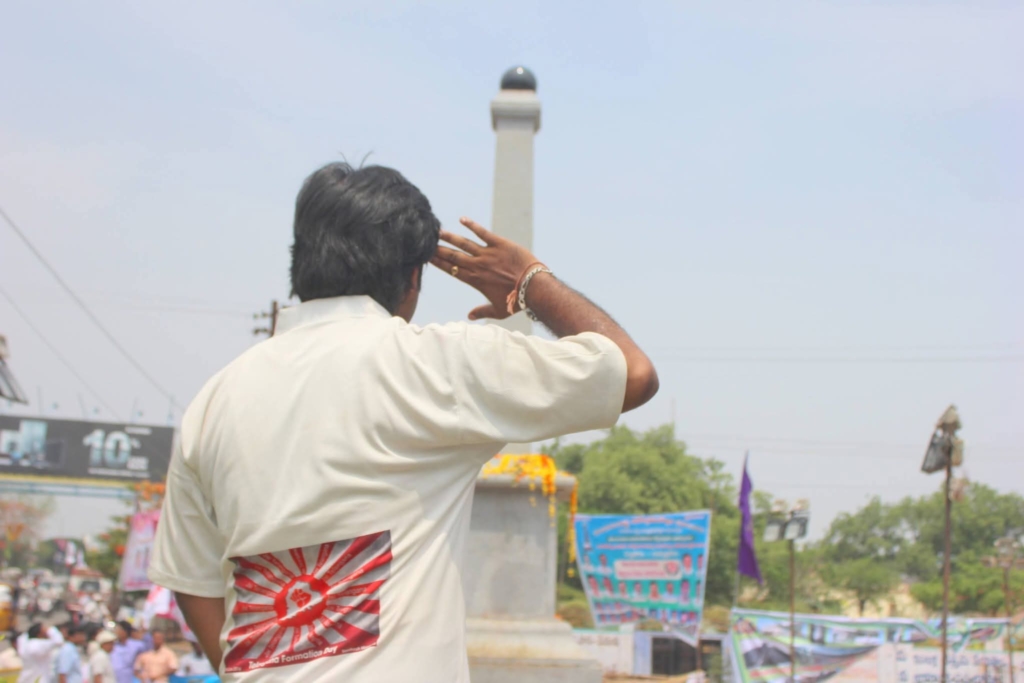
I still remember paying homage to the martyrs at the Amara Veerula Sthupam in Warangal and reflecting on the price so many had paid for this dream.
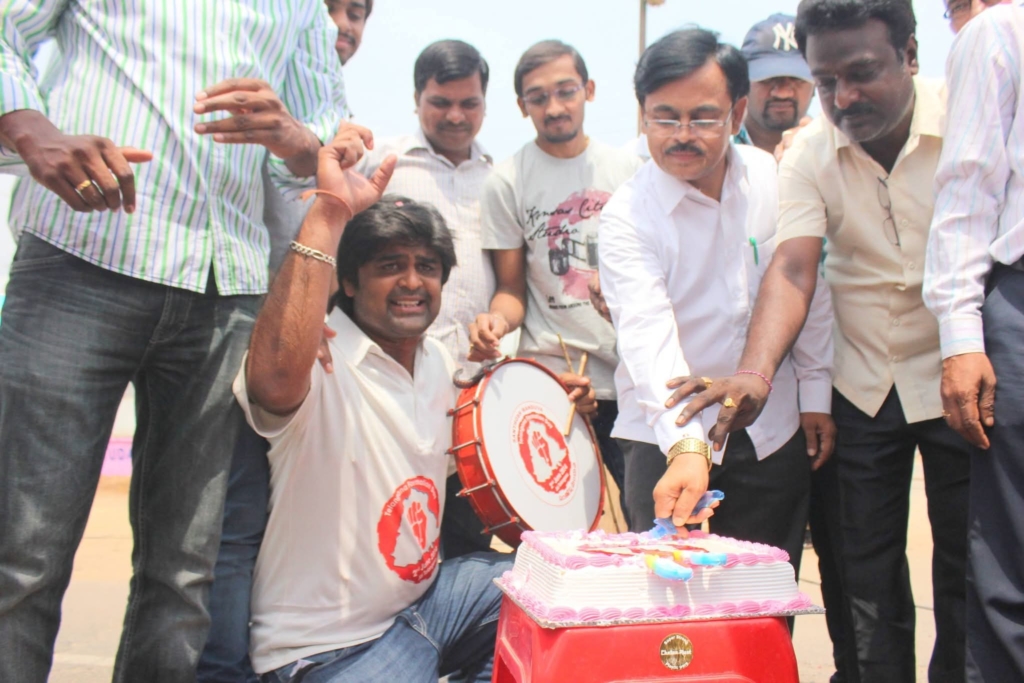
Then came February 20, 2014. I watched the Rajya Sabha proceedings live. The moment the Telangana Bill was passed, years of struggle, sacrifice, and hope culminated in a single moment.
When Telangana officially became a state on June 2, 2014, it felt like a victory not for any one leader or organization, but for an entire generation that refused to give up. The dream that millions had fought for had finally come true.”
— Santhosh Manduva