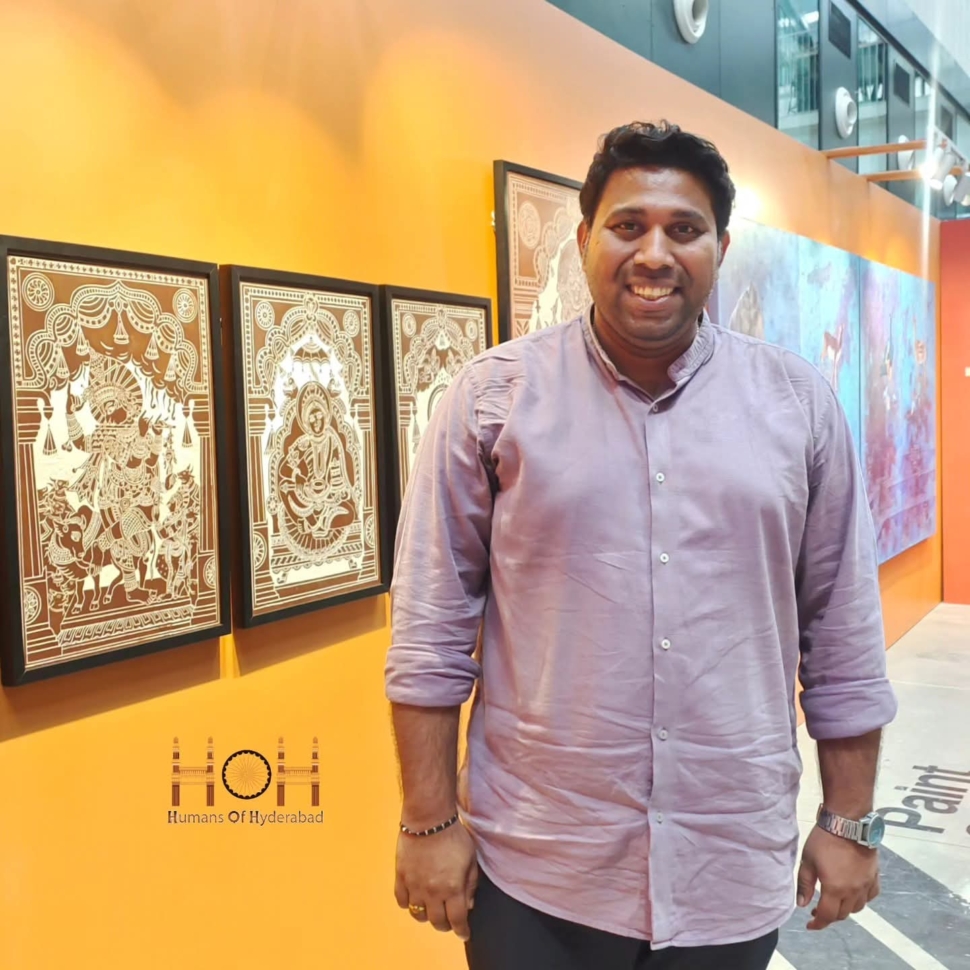
“I am Dr. Sanathana Y S, and I serve as the Director of Research & Projects at Pleach India Foundation in Hyderabad. Looking back, my journey into archaeology began with stories.
I grew up in Mangaluru, where Yakshagana performances were an important part of our lives. As a child, I was mesmerized by the colourful costumes, music, and storytelling. Watching episodes from mythology and history unfold on stage made me wonder about the worlds behind those stories. Where did they come from? How had they survived for centuries? Those questions stayed with me long after the performances ended.
Both my parents are teachers, and they encouraged me to follow my curiosity. That curiosity led me to study Archaeology at the University of Mysore and later train at the Institute of Archaeology under the Archaeological Survey of India in New Delhi. But archaeology is not something you learn only in classrooms. It is learned on dusty trails, among ancient ruins, through weathered inscriptions, and in conversations with people whose memories keep history alive.
That passion took me to Northeast India. I spent seven years in Assam and Meghalaya, including five years researching the archaeology of the Brahmaputra Valley for my PhD. My work focused on the ancient Pragjyotisha-Kamarupa kingdom and the dynasties that shaped the region’s history between the 3rd and 13th centuries CE.
Some of my most memorable experiences came during fieldwork. Often, it was local communities who guided us to places that never appeared in records or on maps. In North Guwahati, we documented centuries-old rock-cut sculptures of Kala Bhairava and Vishnu in Yogasana carved into hillsides. In Meghalaya, I encountered megalithic monuments that are not just archaeological remains but continue to be part of living traditions even today.
Those experiences taught me something important: history is never truly in the past. It survives in landscapes, rituals, monuments, and collective memory. Every site has a story, and every story helps us understand who we are. That is what continues to inspire my work in archaeology and heritage conservation today.”