
“I’m Amrita Kaur, and I work with Dr. Reddy’s Foundation. I joined in July 2025, but my engagement with the social sector began much earlier.
I studied Political Science at Gargi College, Delhi University, and later pursued my Master’s in Development and Governance at the Tata Institute of Social Sciences, Hyderabad. During my undergraduate years, I was part of NSS, the PWD Cell, and the Gandhi Study Circle. That phase pushed me to look beyond classrooms and understand how systems function on the ground. By around 2023, I was clear that I wanted to work closely with communities rather than remain limited to academic spaces.
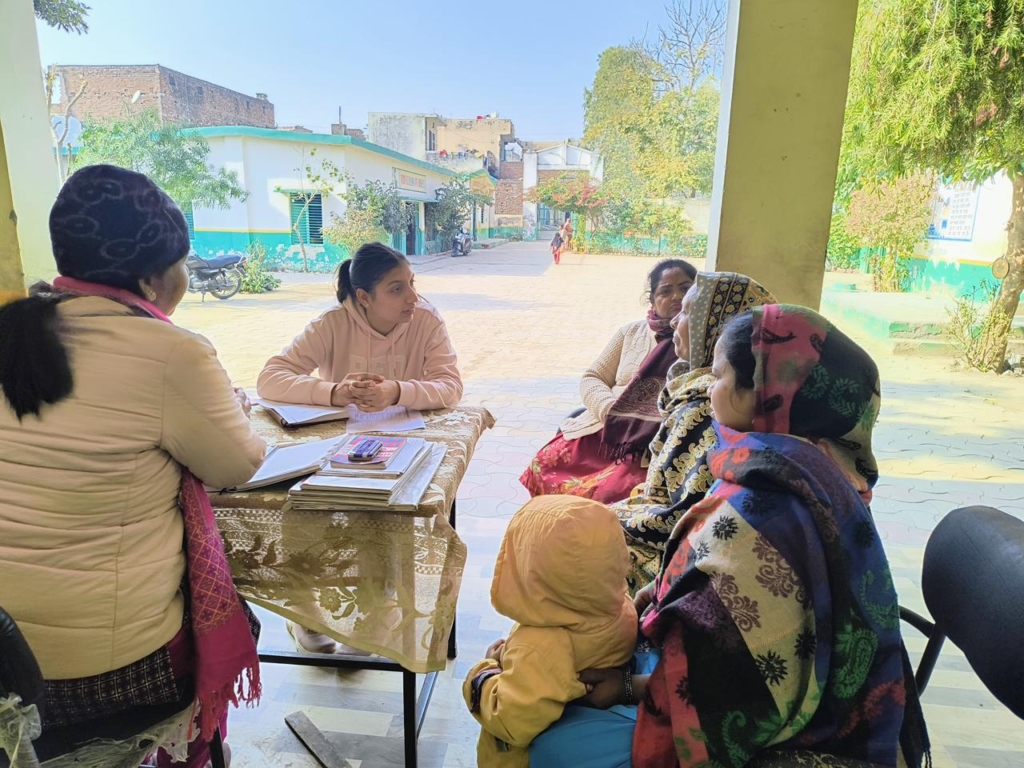
As part of my early professional exposure, I interned with NITI Aayog, where I worked on policy-related assignments. I then moved into CSR, working with ITC Limited’s Model School Program.
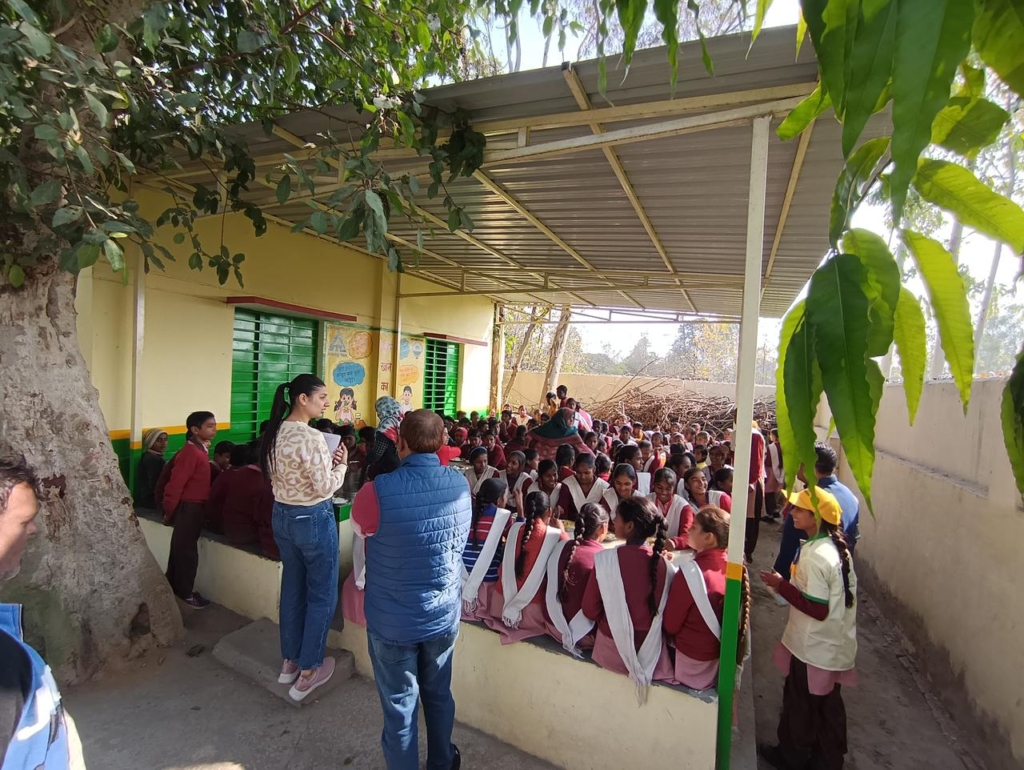
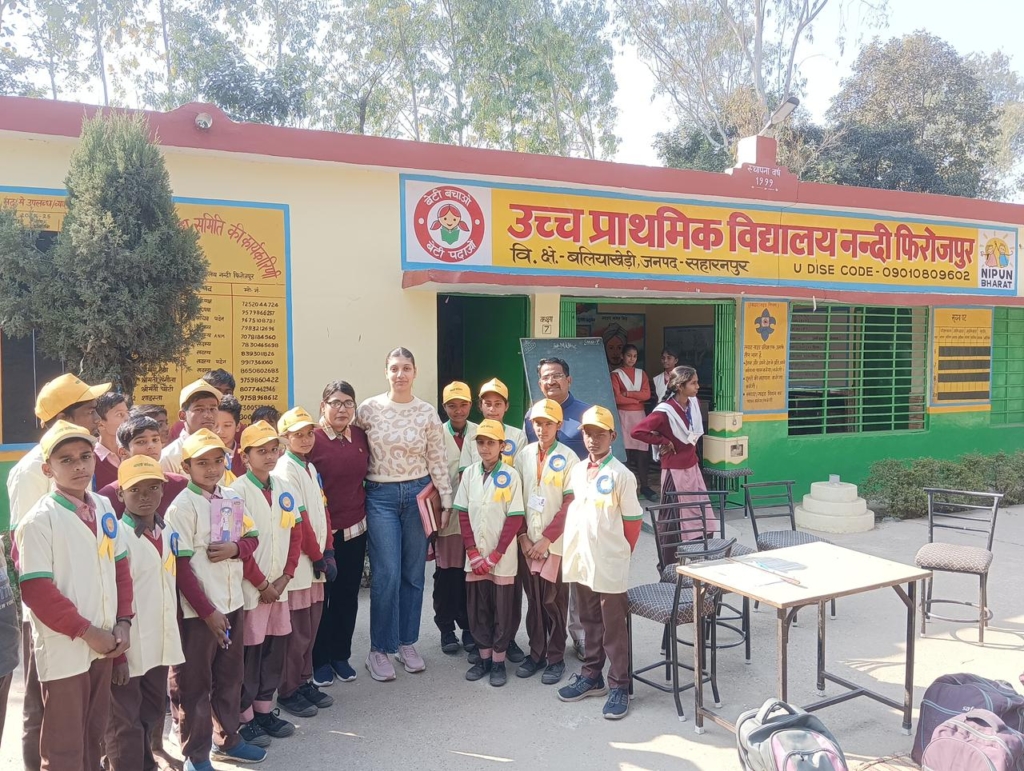
This experience brought me face-to-face with the realities of government schools—how infrastructure, learning environments, and access directly shape a child’s ability to continue education. It made me question why outcomes remain weak even when resources are being allocated.
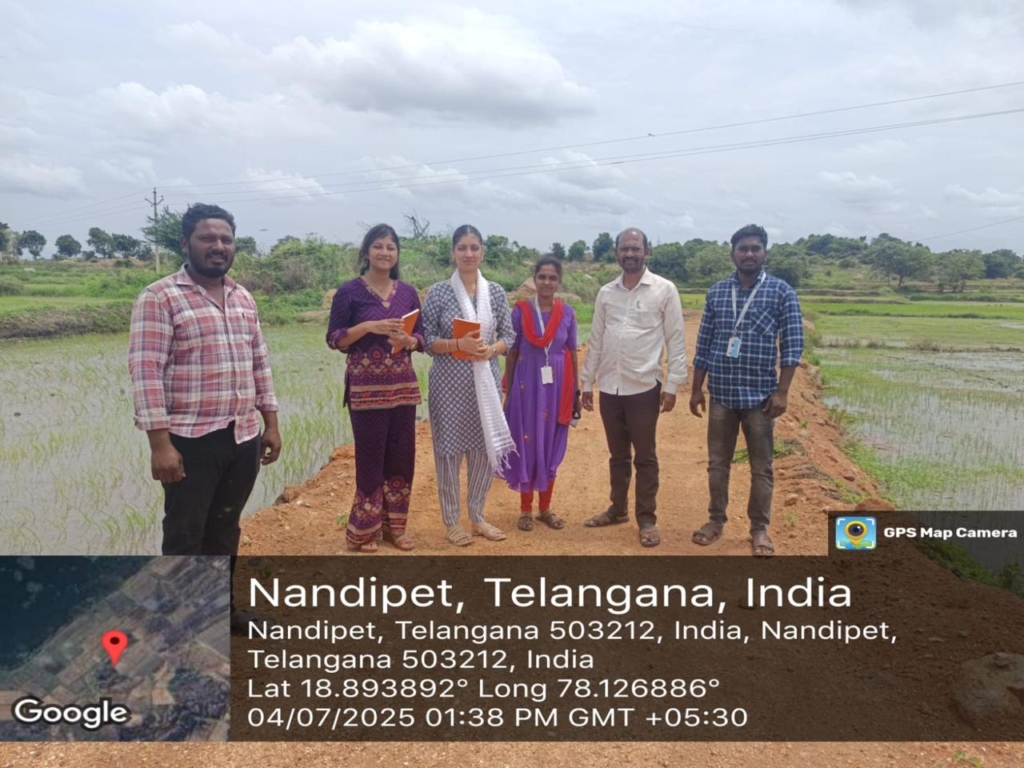
During my Master’s, regular field visits across Telangana helped me see both progress and persistent gaps. In a village in the Warangal district, I observed clear class divide and segregation—something that exists across regions in India. What stayed with me most was the condition of classrooms. Some were barely usable, raising a simple but critical question: if education is a priority, why are basic learning spaces still neglected?
All these experiences shaped how I think about education and long-term social change, and clarified the kind of work I wanted to do.
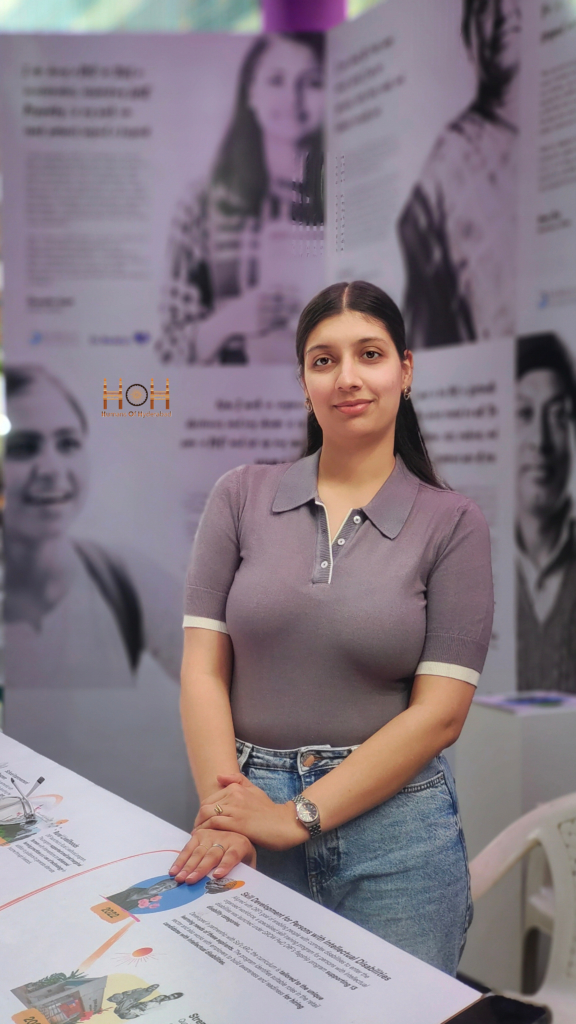
Today, at Dr. Reddy’s Foundation, I work with the GROW programme, where we mobilise unskilled youth, provide training, and support their placement into sustainable livelihoods. Our work also includes persons with disabilities, women looking to enter or re-enter the workforce, and communities affected by climate-related challenges. We work on climate-resilient agriculture in Kutch, Gujarat, and support women farmers in Bihar through oyster mushroom cultivation. In addition, we run the Shashakt women’s scholarship programme, which supports undergraduate girls pursuing STEM education—several of whom are now studying at institutions such as Oxford and other global universities.
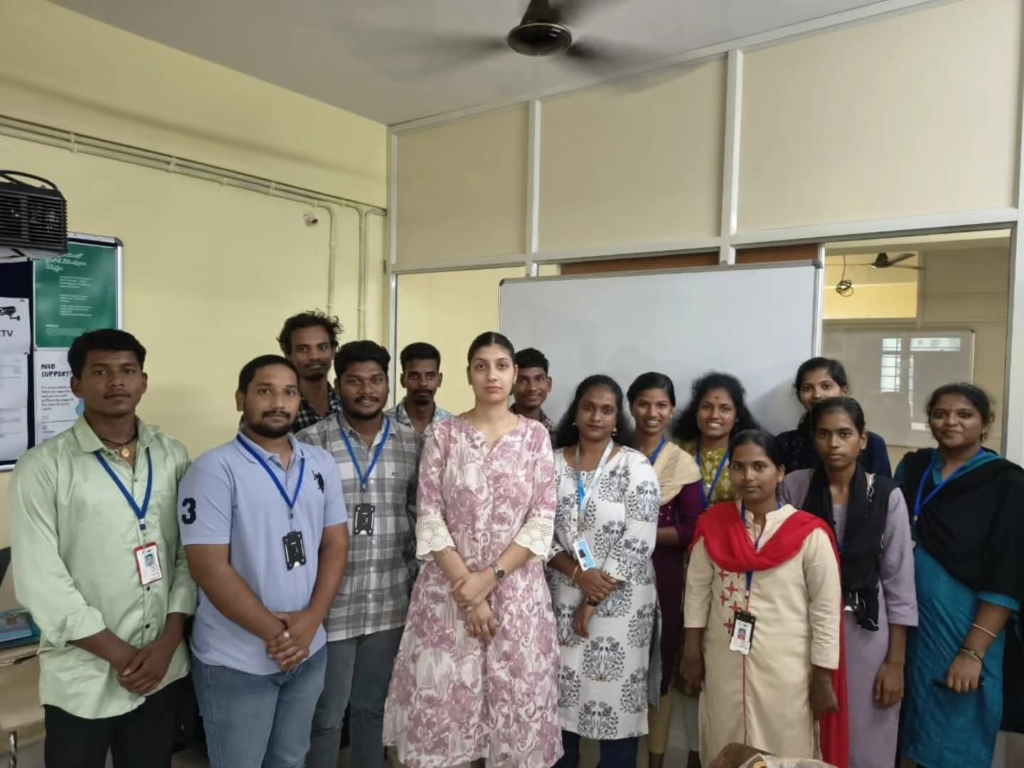
Fieldwork, however, is rarely straightforward. Resistance from local communities is common. Many people feel that outsiders come, speak, and leave, without staying long enough to understand lived realities. When daily survival is uncertain, education naturally feels secondary. That’s why presence matters. Volunteering has its place, but mentorship is far more effective. When you stay, listen, and work consistently with people, that’s when real change begins.”