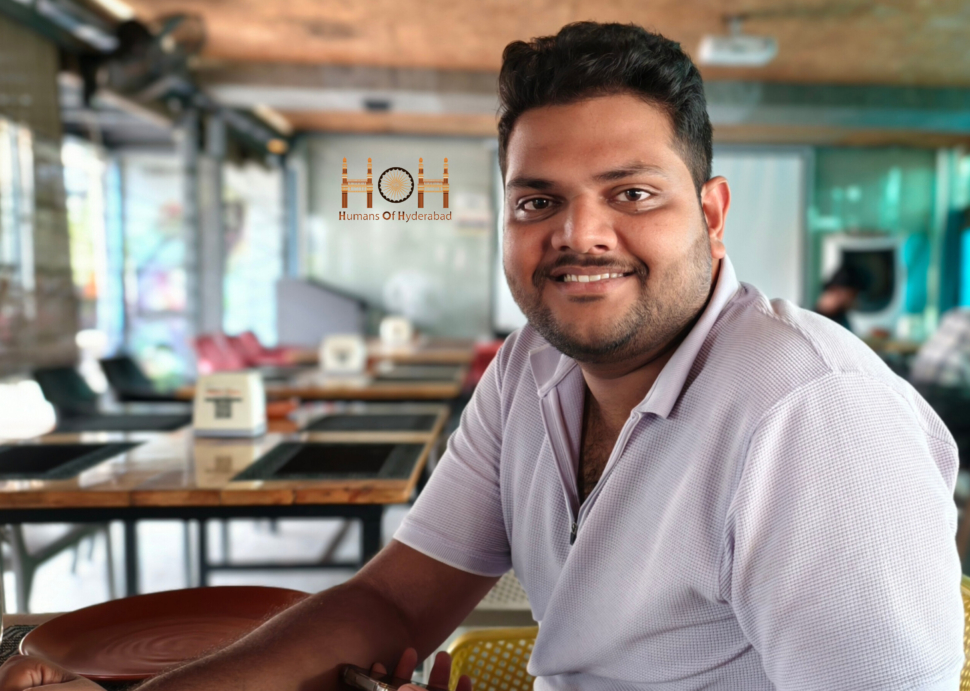
“I didn’t come from a family of doctors. I was just a curious kid in Hyderabad, trying to understand how the human body works—why people fall sick, how they recover, and what actually happens inside. That curiosity pushed me toward medicine.
Like most BiPC students, I went through the corporate college system. It’s a pressure cooker of marks, ranks, and expectations. Things didn’t go exactly as planned, but I knew I belonged in this field. When the usual path in India didn’t open up, I moved to Guyana for my MBBS. It wasn’t an easy decision; I had doubts about the new system and uncertainty. But once the course started, I realized medicine is universal. The learning was real and demanded relentless consistency.
In 2021, during my clinical rotations, a patient in the chemotherapy ward suddenly went into a seizure. Everything happened fast. I did what I could until the emergency team arrived. It wasn’t extraordinary, but it was a sobering realization of how quickly situations shift and how vital preparedness is.
I returned to Hyderabad in 2024 and now work as a duty doctor in a multi-specialty hospital. Managing the floor means handling emergencies, coordinating with seniors, and communicating with families. It’s a steep learning curve. There is a lot of public misunderstanding about medical professionals today, especially in corporate settings. People often assume it’s all about money, but there’s a complex system at play, and as junior doctors, we’re still finding our place within it.
To those preparing for NEET: be sure of your “why.” Medicine is a long game; you won’t settle quickly, and there will be hard phases. But if the interest and purpose is genuine, you’ll find your way. I’m currently preparing for post-graduation in the UK—still learning, still figuring it out.”
- Harsha Vardhan