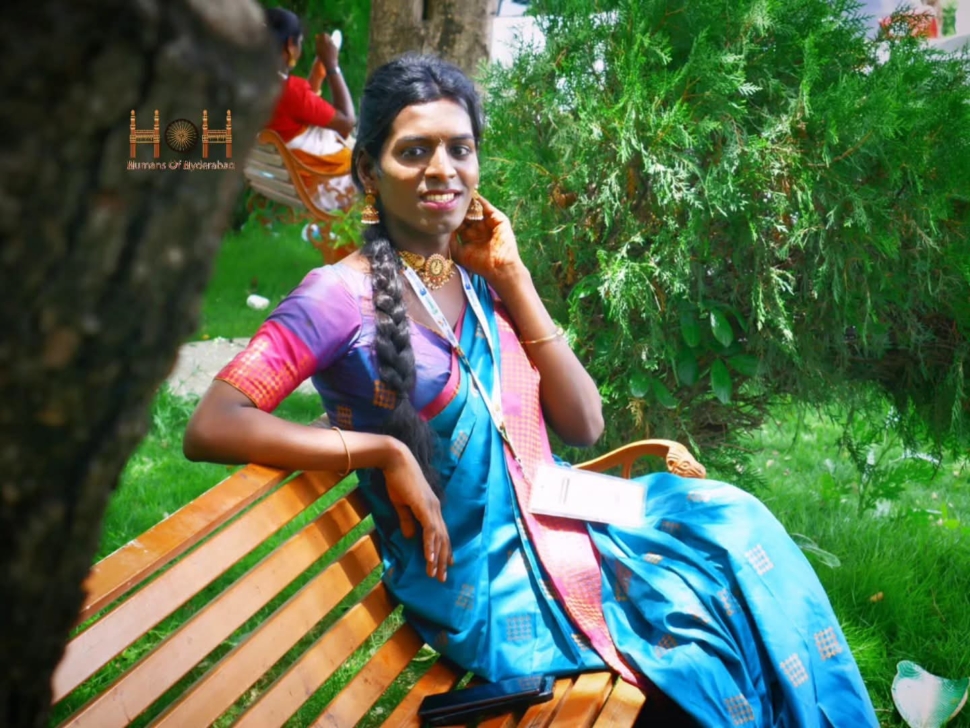
“When I first came to Hyderabad, I was just another young person with big dreams, an engineering degree to chase and an ambition to build a respected life for myself, on my own identity. I spent six years chasing that degree, moving from a three-year ITI diploma course into three years of engineering for my B.Tech, and looking back now, those years taught me a lot about resilience and standing on my own feet.
I was around fifteen, still in school, when I began to understand that the boy everyone saw when they looked at me wasn’t who I actually was inside. I carried that quietly for a long time before I found the courage to say it out loud. When I finally told my father, my hands were shaking, I had no idea if I’d still have a home to go back to.
He didn’t shout or throw me out, but he didn’t understand either. He took me from doctor to doctor, counsellor to counsellor, hoping someone would tell him this was temporary. I sat through it all without complaint, because I could feel he was doing it out of love. Then one day he asked the only question that mattered: do you want to change, or do you want to be yourself. I told him I wanted to be myself, the first time I’d said it that plainly to anyone.
He didn’t get angry, but the pressure from our extended family was heavy and constant, relatives worried about what people in the village would say. Some suggested I just live quietly as a man, get married, keep this hidden, and they would take care of me for life. I felt something in me refuse it completely, that wasn’t a life, it was erasure dressed up as care. So I packed my bags and left for Hyderabad on my own.
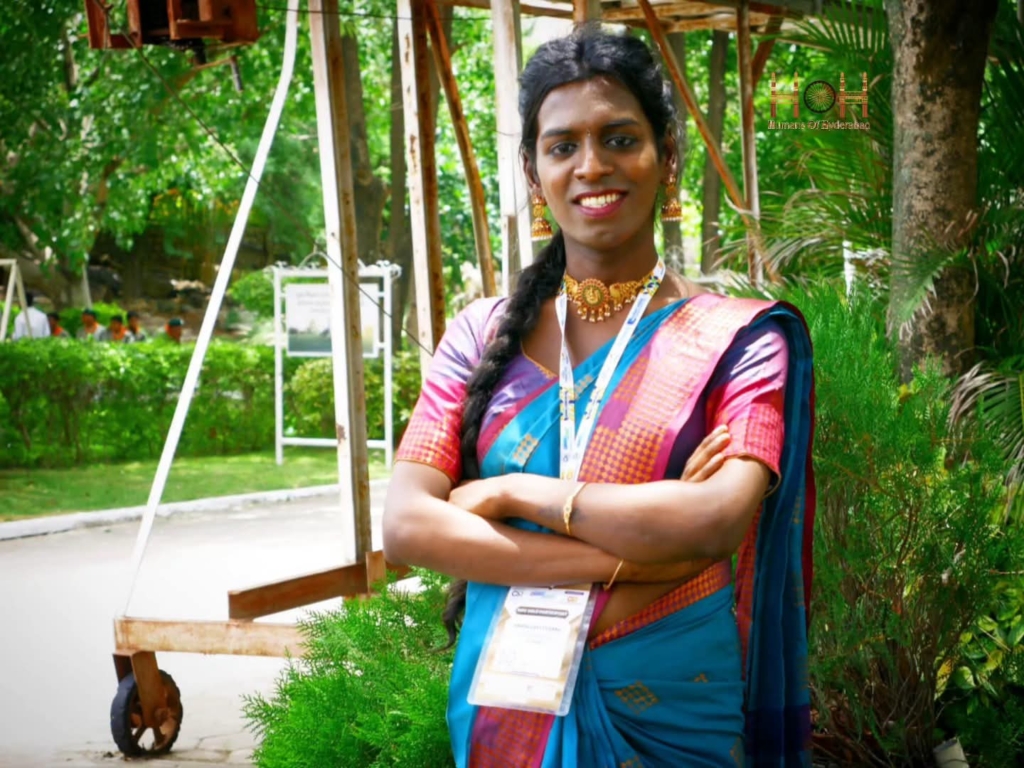
The first thing I found in the city was uncertainty. I met other trans people here, and I saw how few doors society had actually opened for them, how little choice many were left with because education, employers, and even families had shut them out. Some were surviving through begging or sex work, not because they wanted to, but because almost nothing else was made available to them. For a while I was afraid I’d end up with the same limited choices. But I was persistant. I kept pushing for a dignified corporate career through my education. I went back home and had an honest conversation with my family, not asking permission this time, telling them who I was and where I intended to go. Something in my voice convinced my father, and he agreed to fund my B.Tech at JBIT. I studied harder than ever, took up side jobs to cover what the fees didn’t, and kept moving one semester at a time.
I got my first corporate job at VXI Global Solutions, one of the first trans women they had ever hired. I still remember opening my first payslip, it wasn’t just money, it felt like proof I could build a life on my own terms.
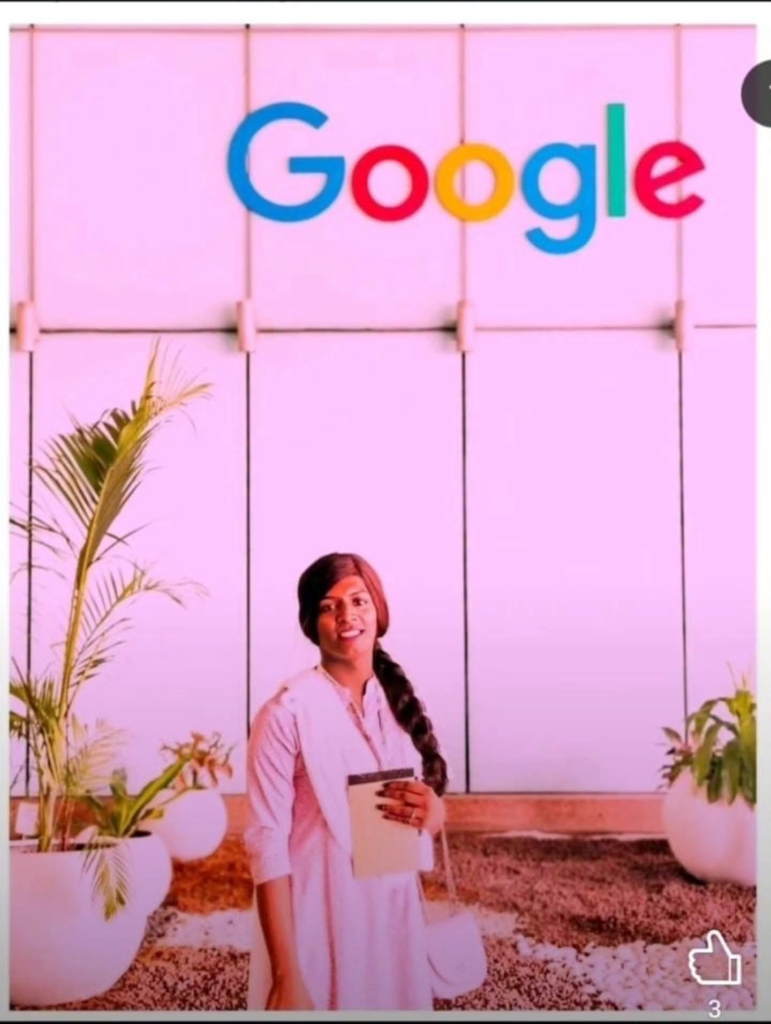
Over the next few years I saved carefully and paid for my gender-affirming surgeries myself, from my own earnings. The recovery was some of the hardest weeks I’ve lived through, but I have never regretted it.
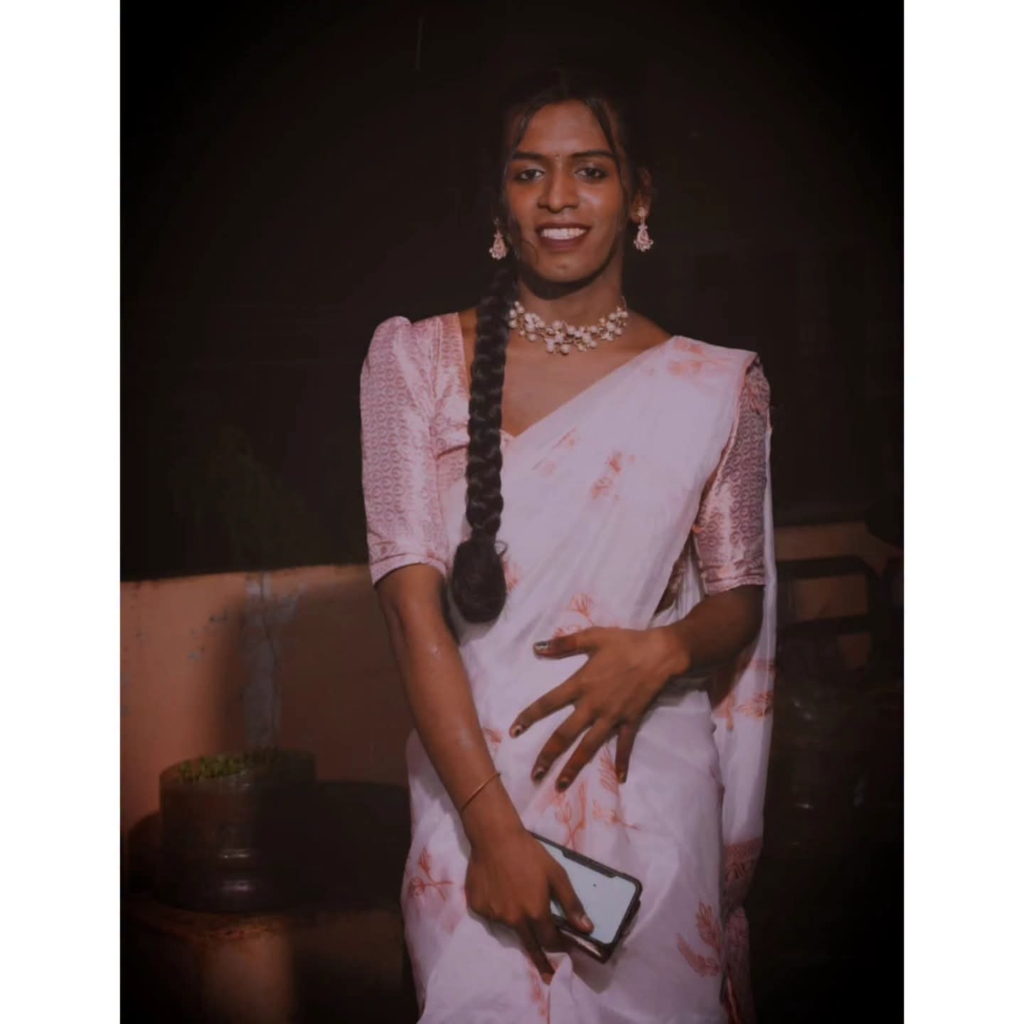
Later I moved to Sutherland, where I now work as an Associate handling international client operations, in a genuinely inclusive workplace. Something I’ve learned there has stayed with me, your work speaks louder than any label people try to put on you.
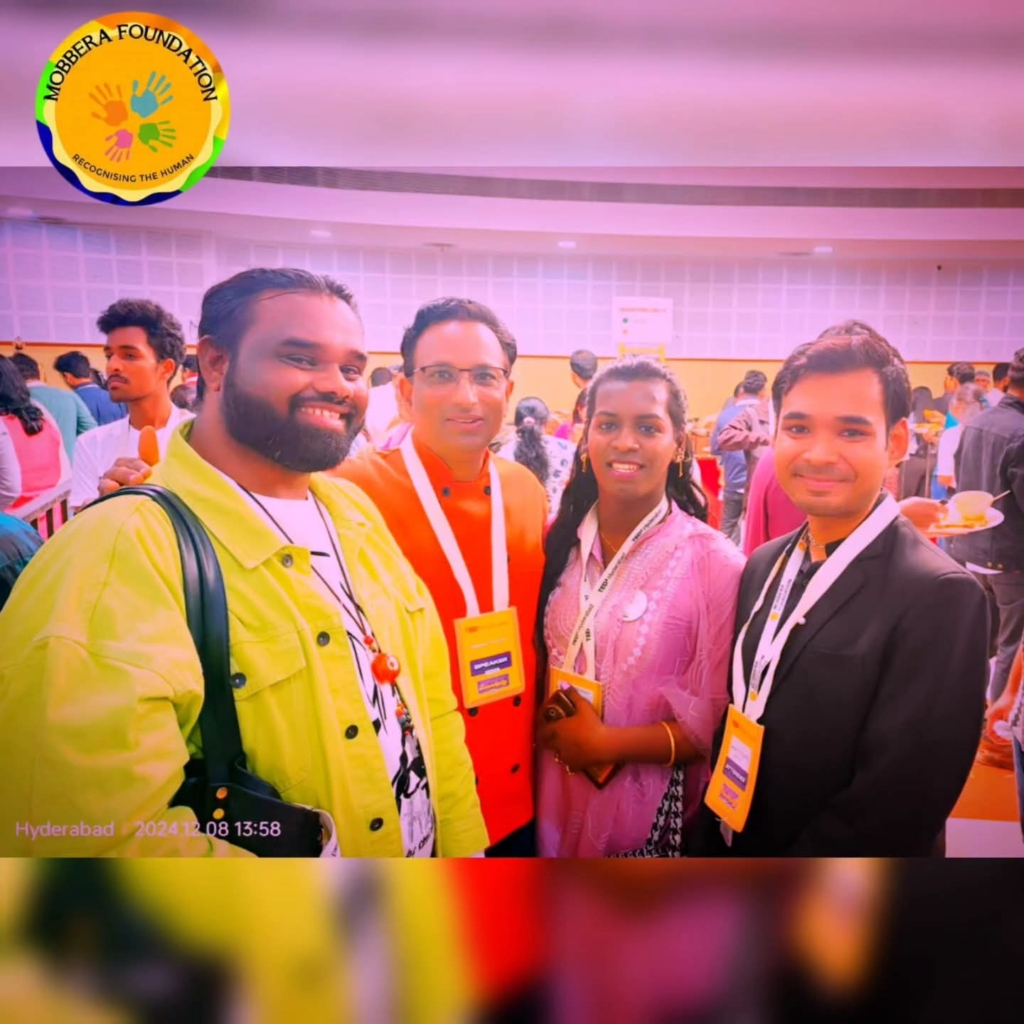
Alongside my corporate career, I head the Event Management team at Mobbera Foundation. For five years I’ve helped organise Pride events and awareness programs across the city, leading a team of over fifteen people. I also draw quiet strength from the Indian film actress Sai Pallavi Garu, a doctor by training who built her career on her own terms without compromising what she believes in.
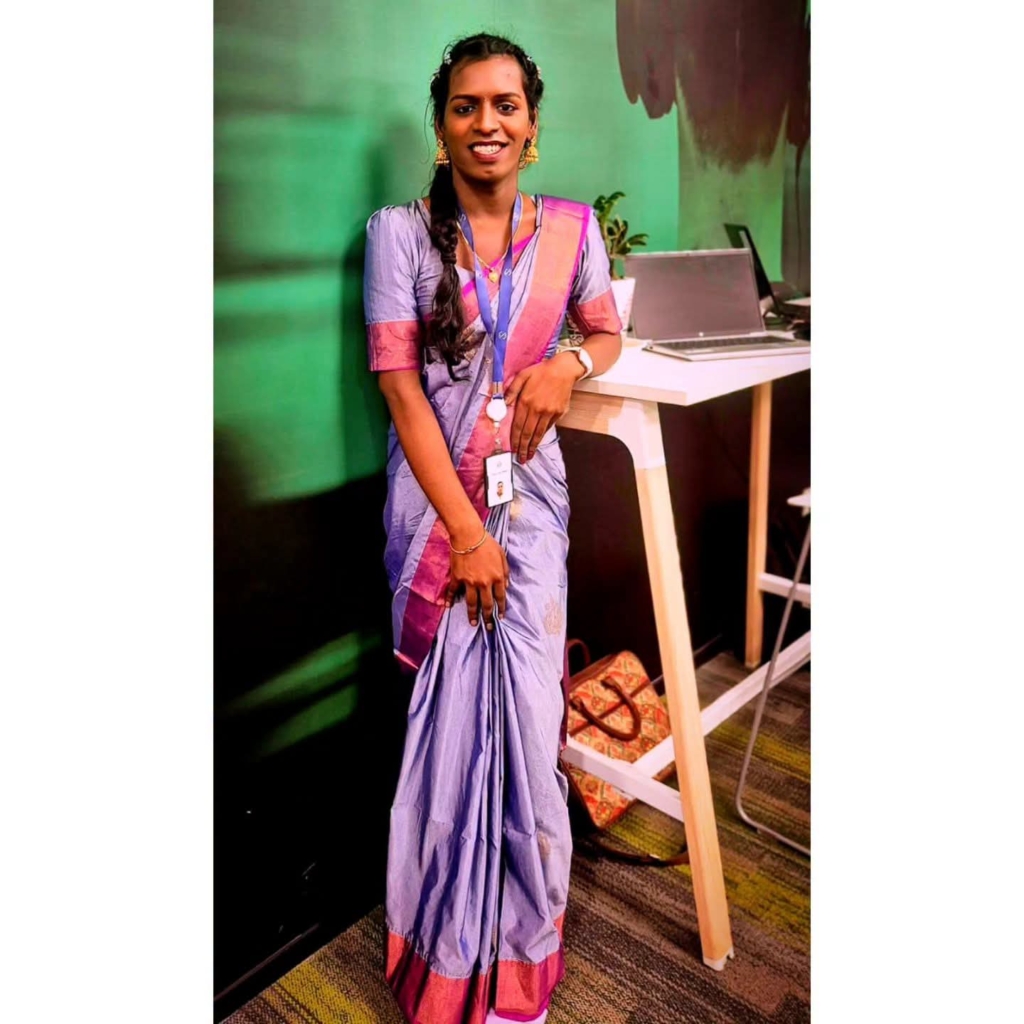
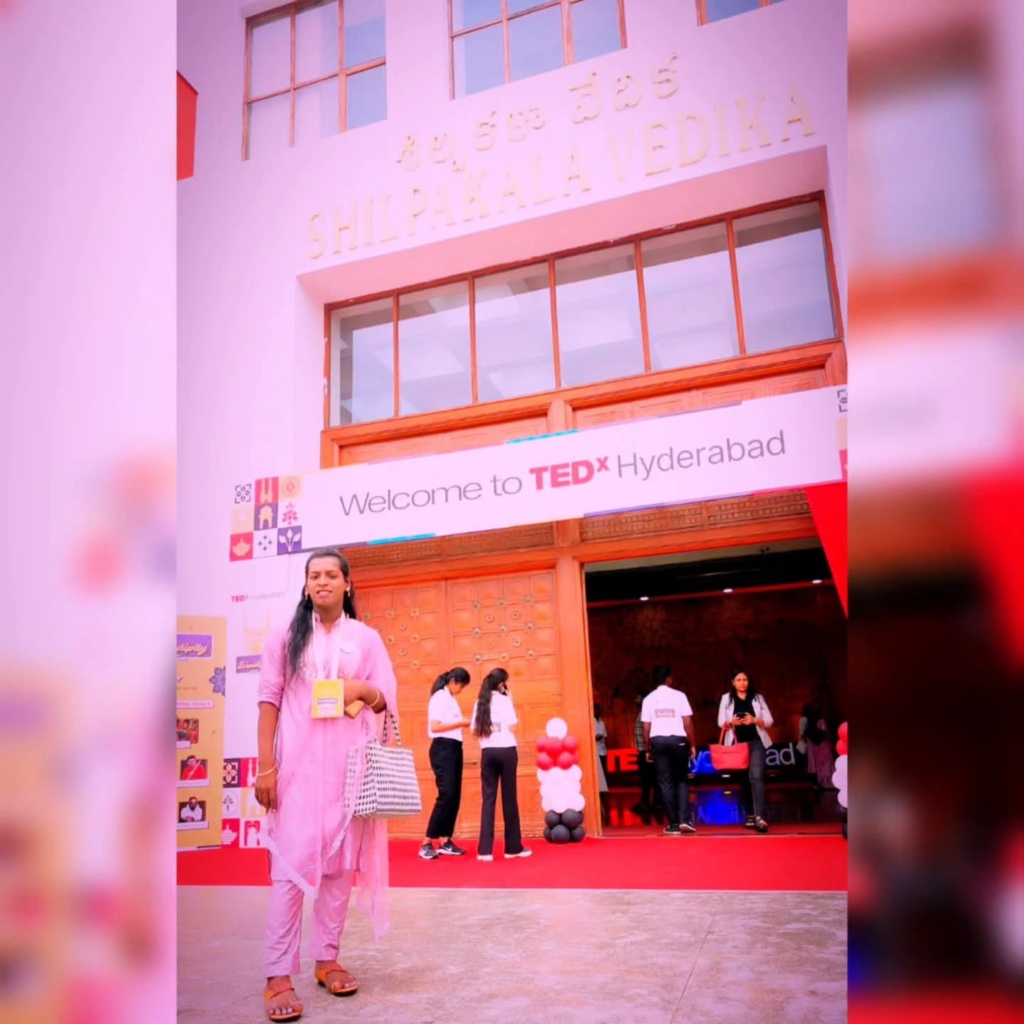
My relationship with my family has healed in ways I once thought impossible. They see me standing on my own feet, working, independent, and that has repaired much between us. My hope isn’t only for my own life, I want to help build workplaces that hire people for their talent, where nobody is held back because of gender or identity. I chose my own name, built this life with my own hands, and I’m still writing it.”
— Sai Pallavi Pesaru