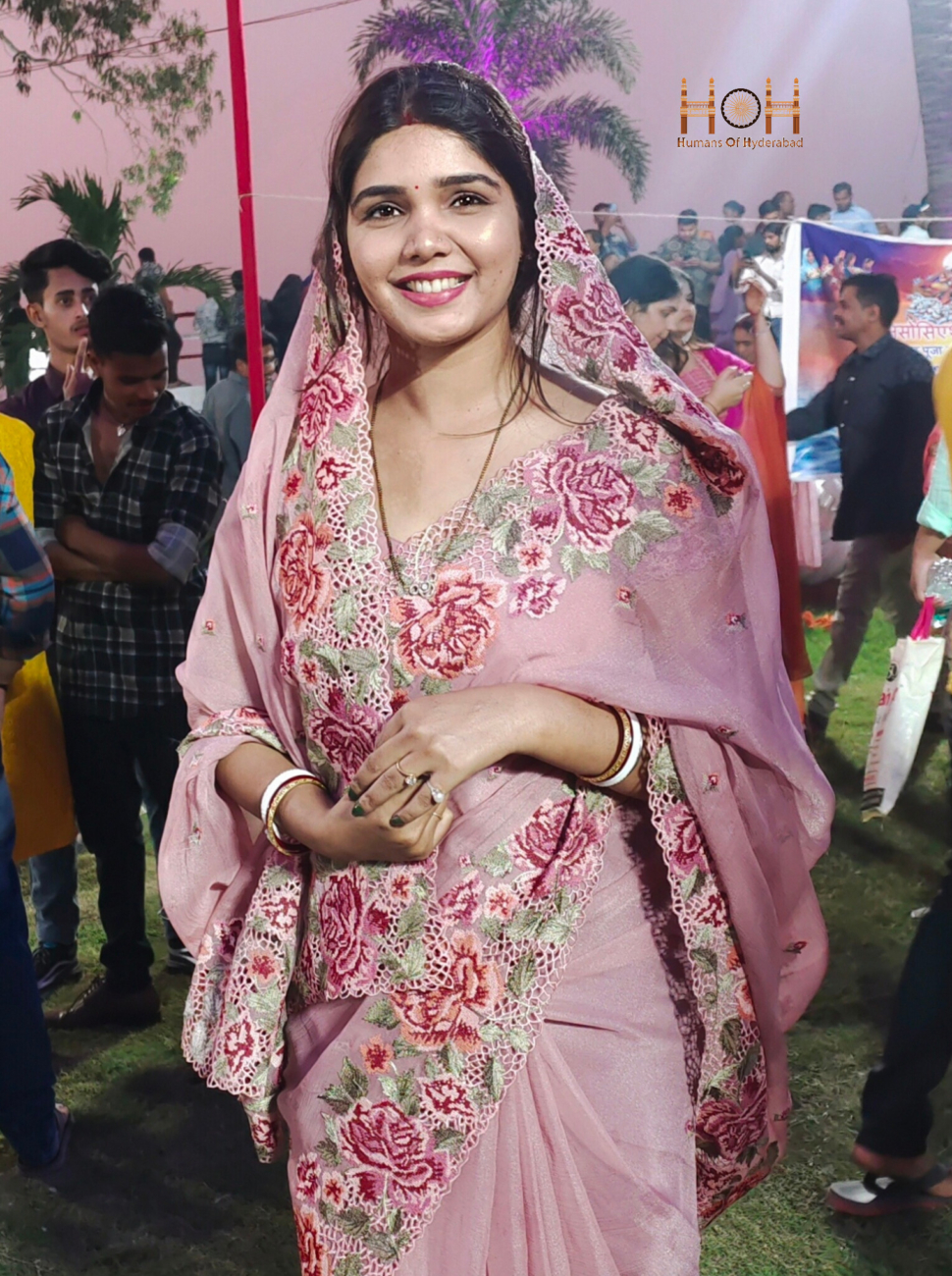
“Chhath Puja is one of the most sacred festivals for us. It is a time when we come together to worship Surya, the Sun God, and seek the blessings of Chhathi Maiya with devotion. For four days, our lives revolve around the rituals, with sunrise and sunset holding special significance during the puja.
Some of my fondest memories are from my grandmother’s village in Bihar, where the entire village would prepare for the festival. There was a sense of anticipation everywhere. Chhath also brings people from different parts of the country back to their hometowns. Many travel for hours, wait at crowded railway stations and board packed trains, simply because celebrating Chhath away from home feels incomplete. No distance seems too far when it comes to being with family for this festival.
The celebration begins with Nahay Khay, a day of purification. We clean our homes, take a holy dip and prepare a simple Satvik meal of lauki bhaat, without onion or garlic. The second day, Kharna, involves fasting from sunrise to sunset. In the evening, we break the fast with jaggery kheer. After this meal, a rigorous 36-hour fast without food or water begins.
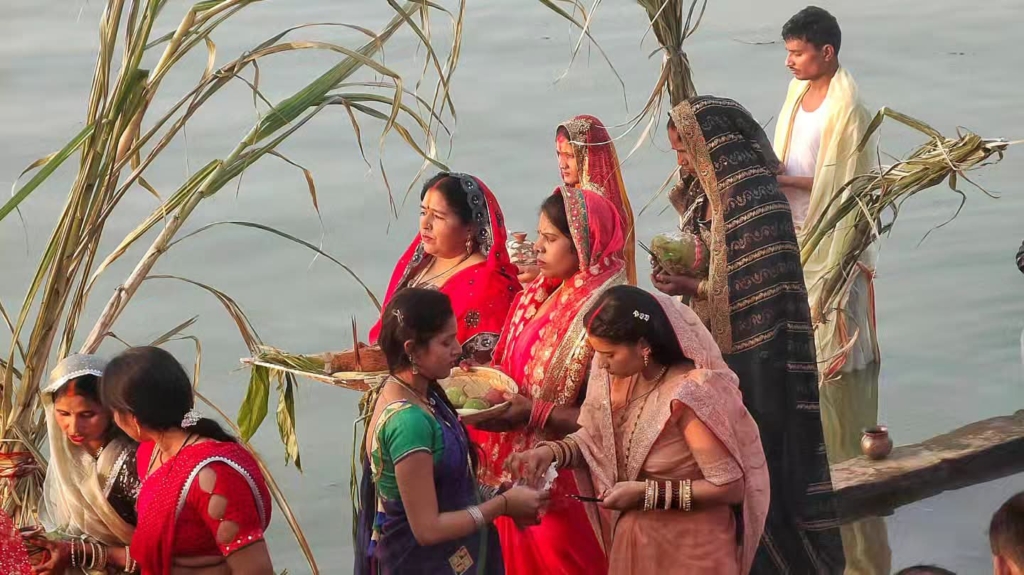
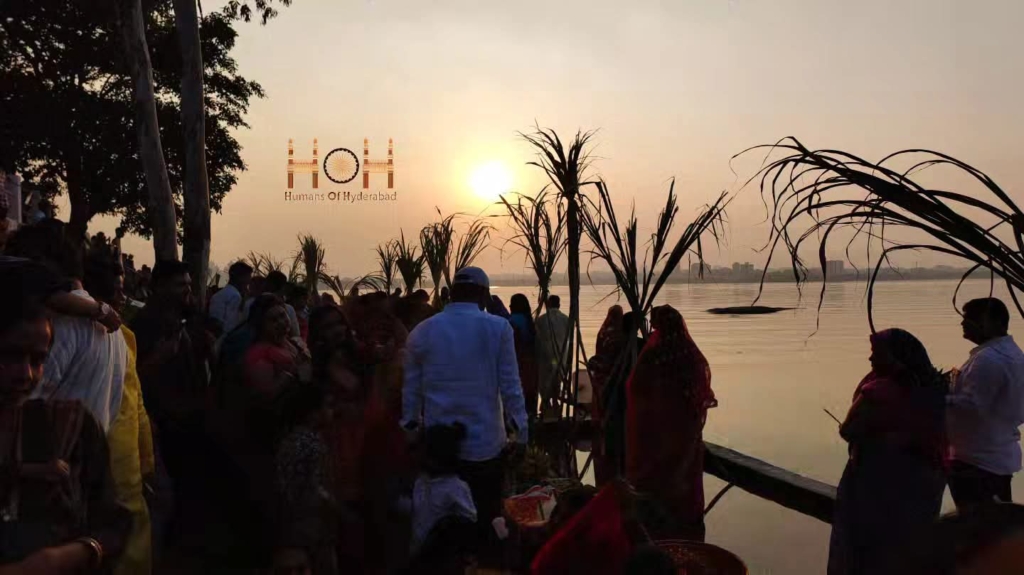
On the third day, Sandhya Arghya, we prepare bamboo baskets filled with seasonal fruits, sugarcane, coconut and homemade Thekua. In the evening, we gather at a nearby lake or water body, sing traditional Chhath folk songs and offer Arghya to the setting sun. The following morning, we return before sunrise for Usha Arghya. We light the diyas and wait for the first rays of sunlight to offer our final prayers. Once the rituals are complete, we break the fast and distribute the prasad among everyone.
Chhath is about more than following rituals. It brings families together and gives us an opportunity to pray for the well-being of our loved ones. Even when we celebrate away from our hometowns, observing these traditions makes us feel close to home. No matter where we are, Chhathi Maiya keeps us connected to our roots.”