
“Long before ambition entered my life, discipline did. It came through routine, movement, and showing up even when circumstances kept changing.
My father served in the Indian Army, which meant home was never permanent. I was born in Faridkot, Punjab, our roots are in Andhra Pradesh, but Hyderabad is where I studied, grew up, and found my footing.
Transfers were frequent. Quarters changed. Schools changed. Faces changed. But mornings stayed the same — early wake-ups, respect for time, quiet adjustment. No one explained discipline to us. We lived it.
That life shaped me in ways I understood only later. It taught me how to walk into unfamiliar spaces without fear, adapt quickly, and stay steady when things felt uncertain.
I studied in Kendriya Vidyalaya, graduated from Nizam College and completed my post-graduation at Osmania University College of Commerce & Business Management. Today, I work as a marketing head in a corporate company in Hyderabad.
On paper, life looks structured. Inside, I always felt the need to move. Like most army kids, I wanted to wear the uniform. I trained for SSB interviews, believed that was my path, but it didn’t work out and life redirected me to the corporate world.
I wasn’t an endurance athlete growing up. I used to do short sprints in school and college. Long distances felt intimidating. That changed when I joined a running community.
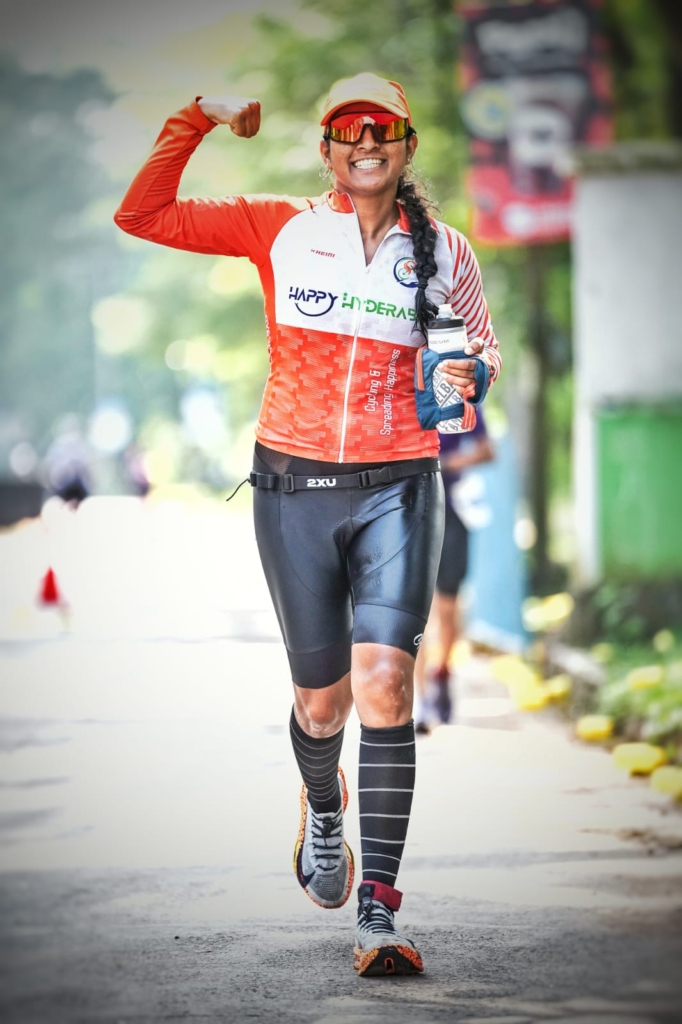
Five kilometres became ten, then a half marathon. Endurance is not about talent. It is about patience.
During COVID, I took up cycling and became a core part of Happy Hyderabad, a community where people came together to move. As it grew, chapters came up across the city so people could train closer to home. There were no professional coaches and no fees. People learned from each other. Many runners and cyclists who now compete seriously began here.
When lockdown hit, the same community stepped into service. Relief Riders Hyderabad delivered medicines, food, and essentials to COVID patients on bicycles. We repaired old cycles and donated them to underprivileged children and women.
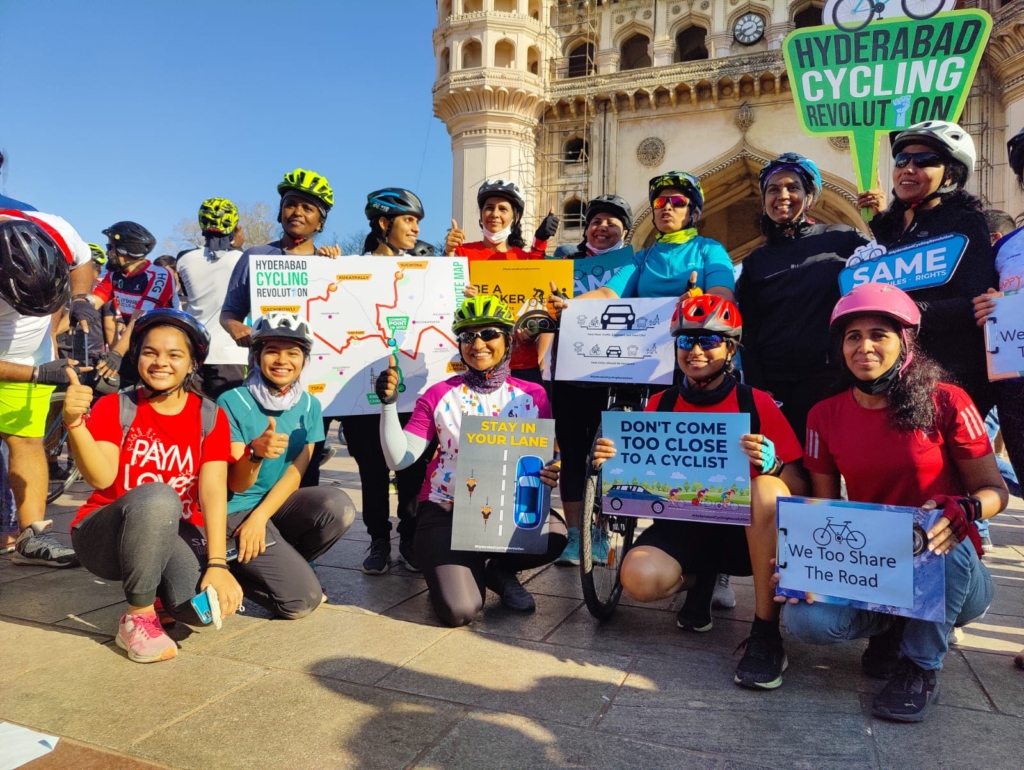
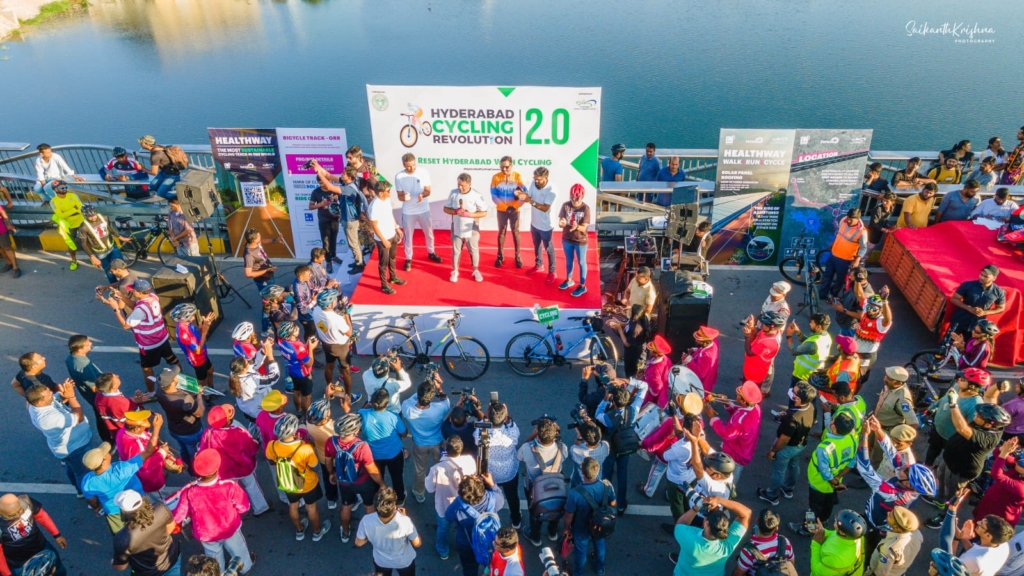
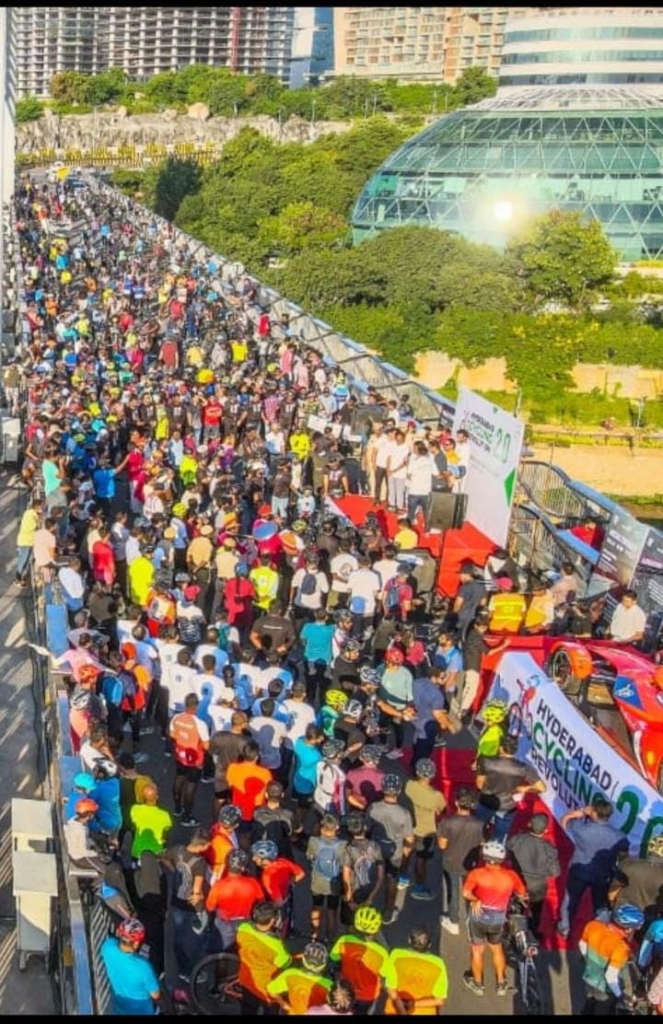
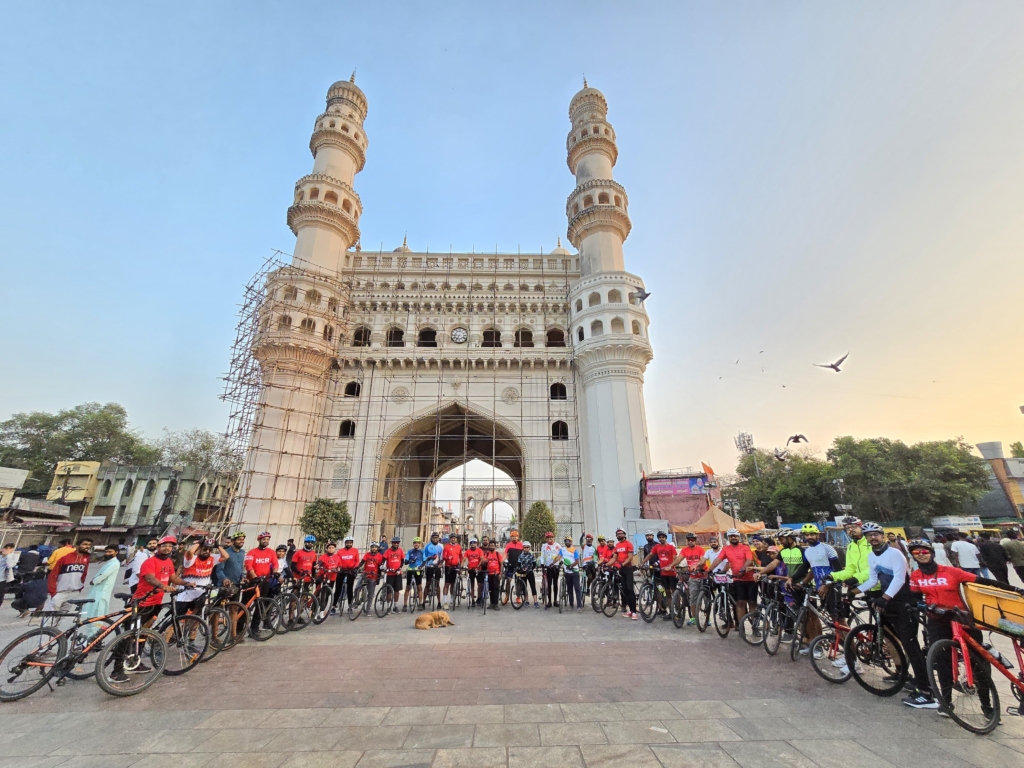
Then came Hyderabad Cycling Revolution — one of the biggest gatherings of cyclists till date — aiming to promote active mobility in the city. These three initiatives are not separate groups — they are phases of the same family: movement, community and service.
Even today, when I disappear into the mountains with no network, I return to hundreds of messages checking on me. When I finish a race or summit, they celebrate it as if it were their own.
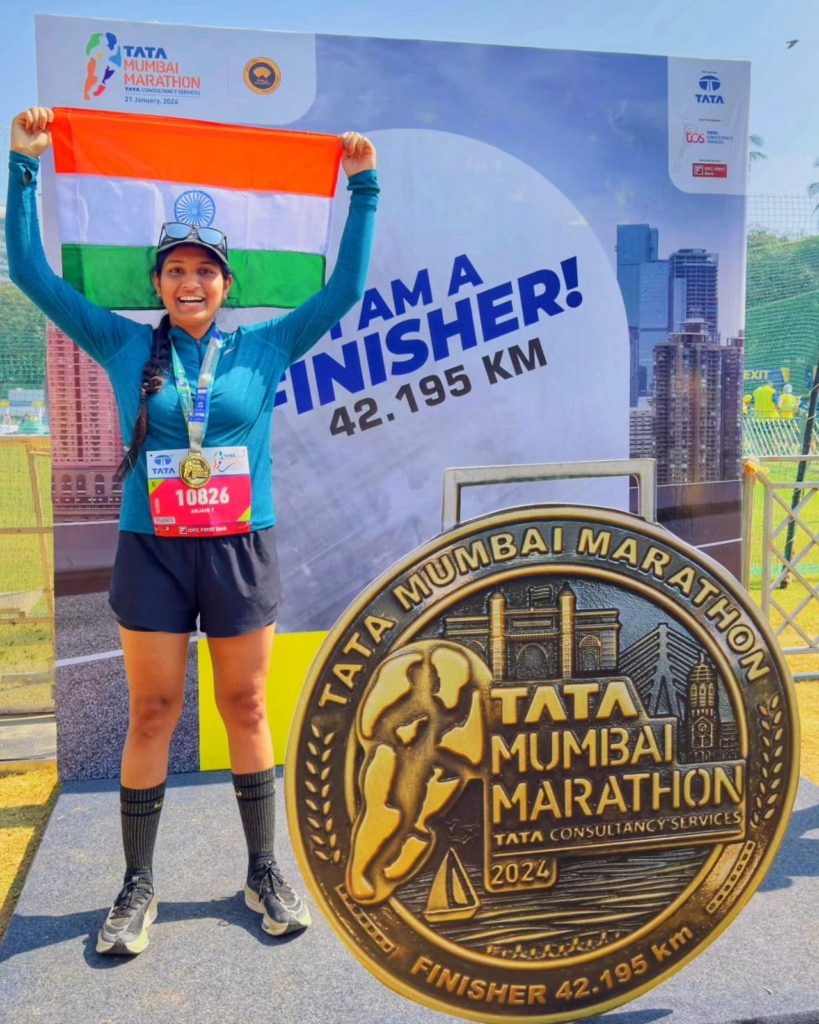
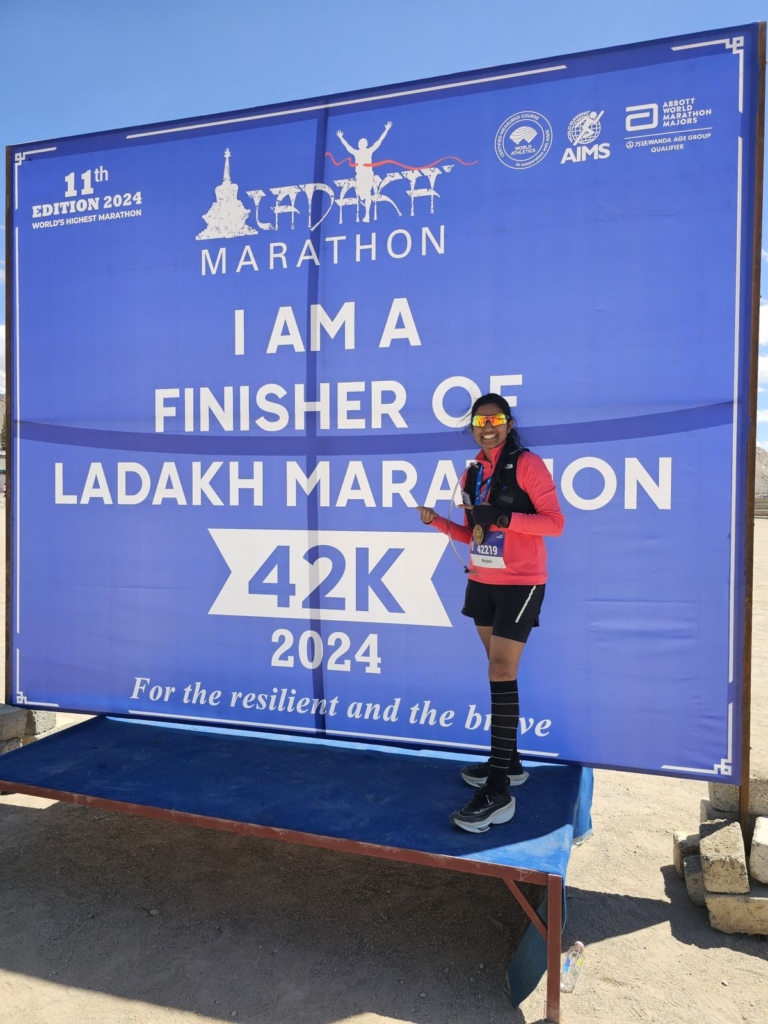
As my body adapted, my mind wanted more. I completed the Procam Slam series, ran a full marathon in Ladakh at high altitude, finished the Tata Ultra fifty kilometres, and became an ultra-marathoner.
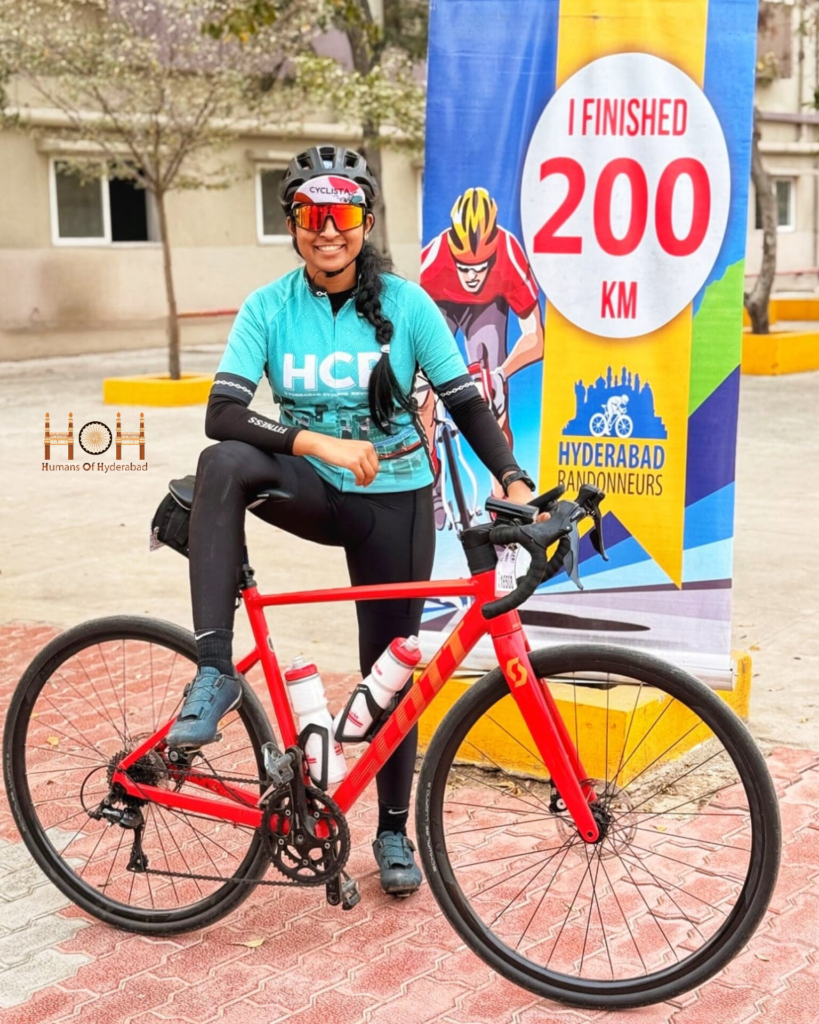
Cycling distances increased too. Two hundred kilometres became possible this year. I plan to attempt the Super Randonneur series.
Then came the mountains.
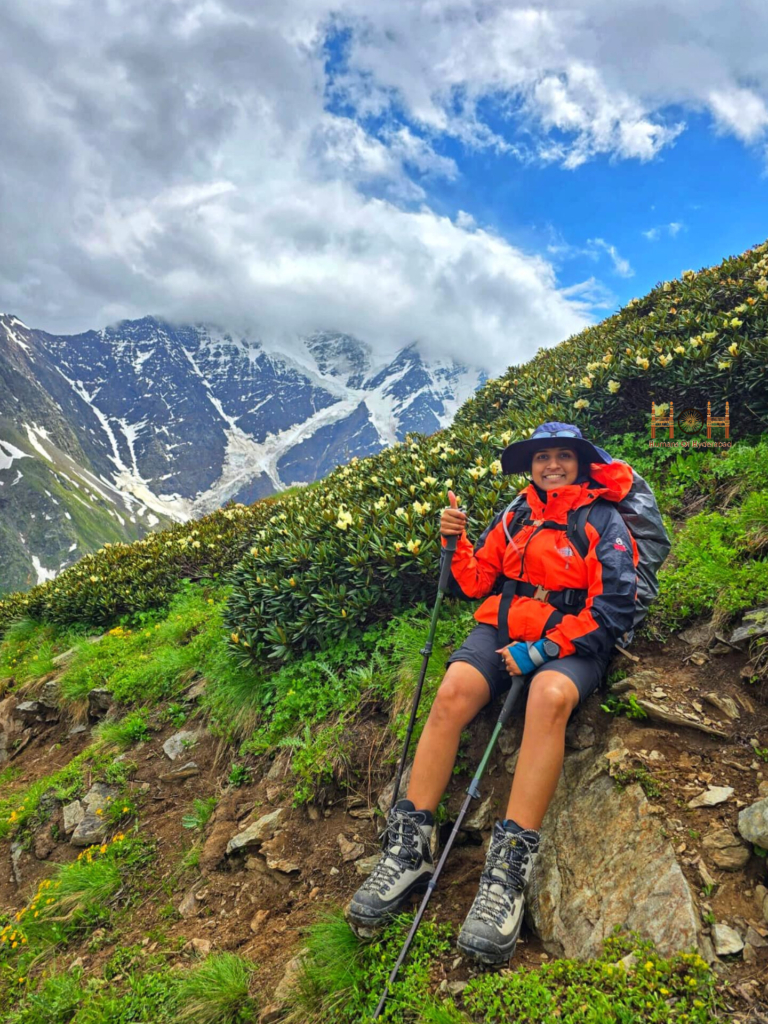
Mountains are my biggest teachers. Their grandeur humbles me, their challenges refine me, their silence releases me. I climb not to conquer them but to discover myself.
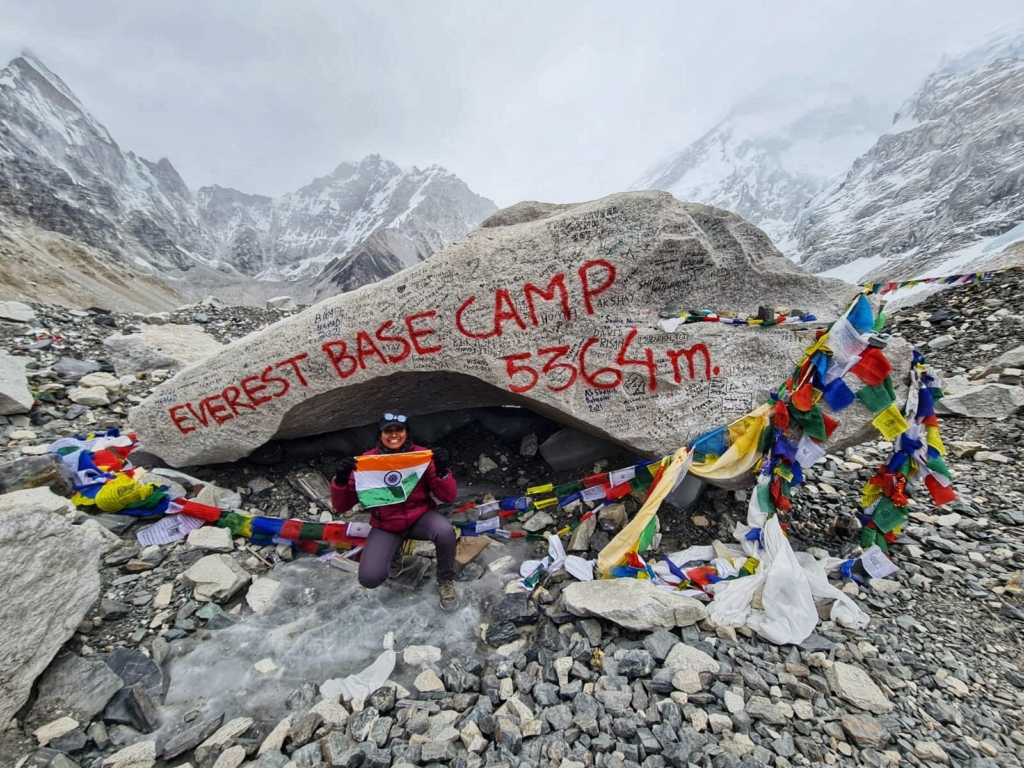
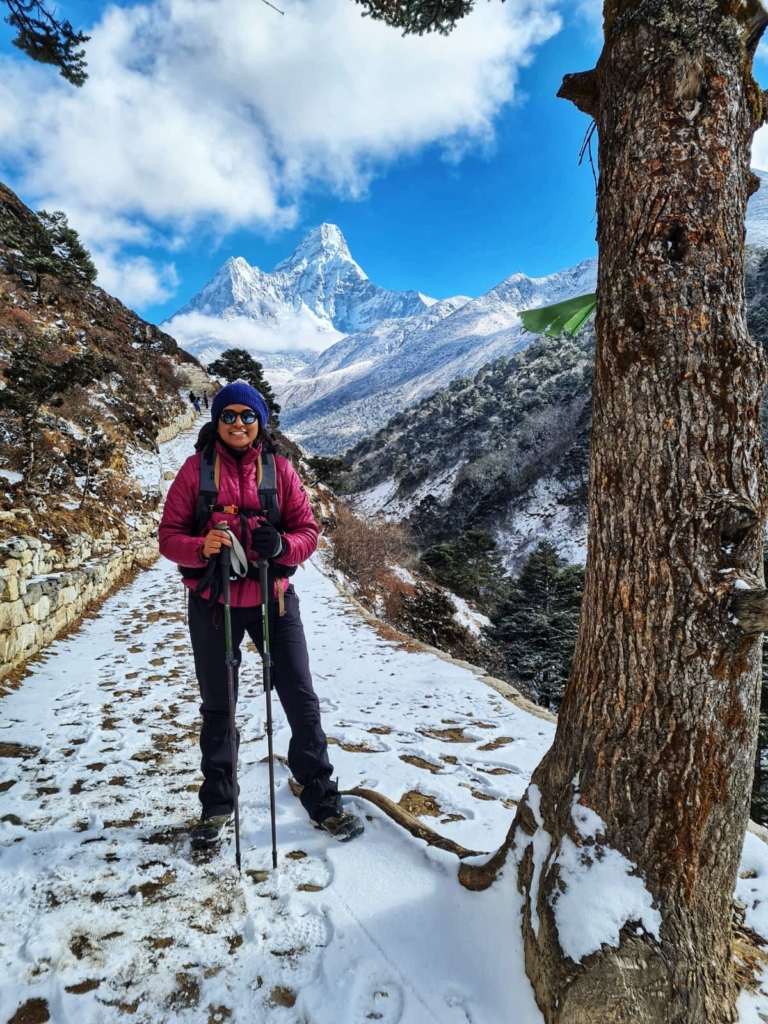
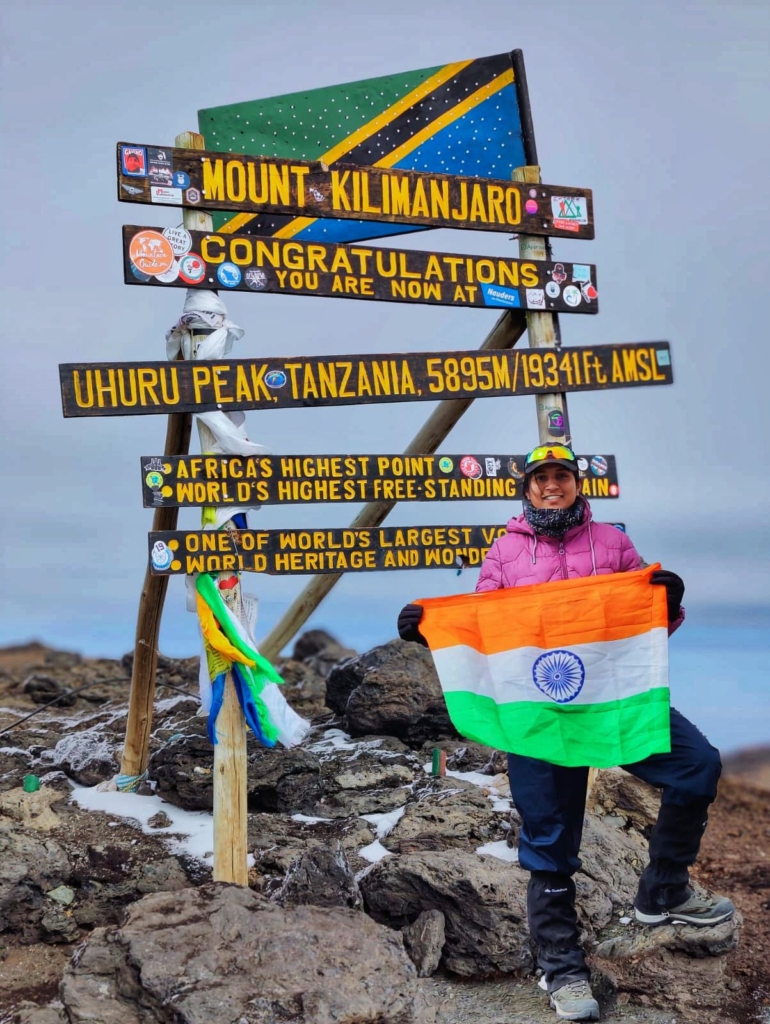
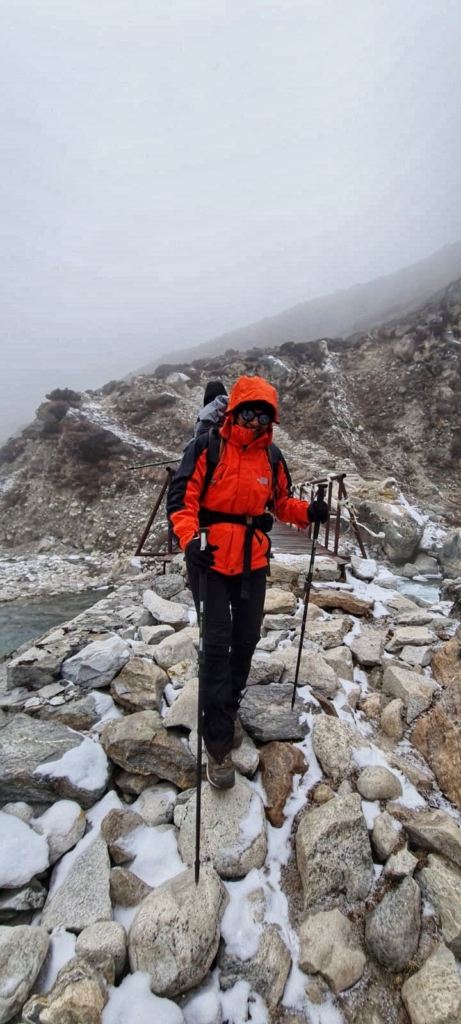
I trained at the Nehru Institute of Mountaineering and summited major treks like Everest Base Camp – Nepal, Mount Kilimanjaro — the highest peak in Africa — and Mount Elbrus, the highest peak in Europe. Both Kilimanjaro and Elbrus climbs were self-funded. I plan one or two major challenges a year.
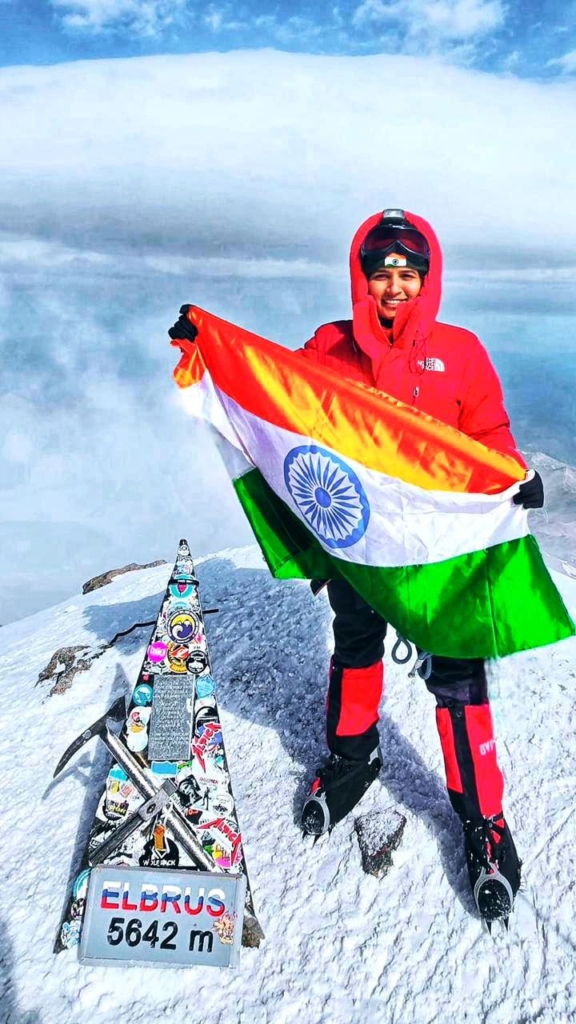
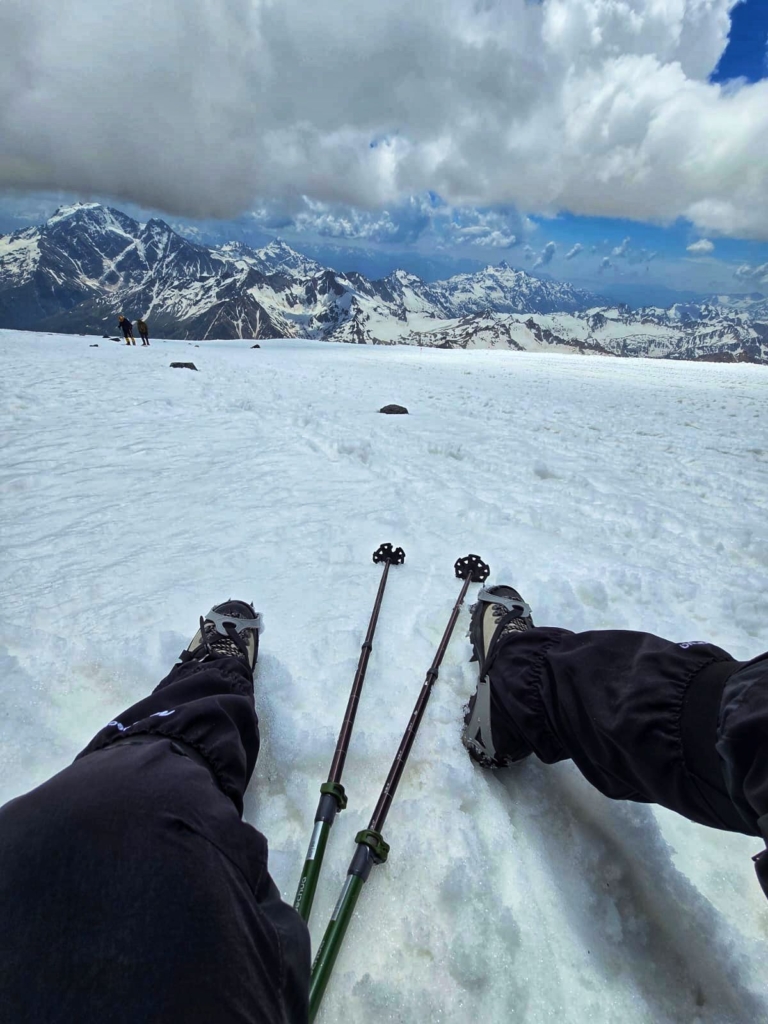
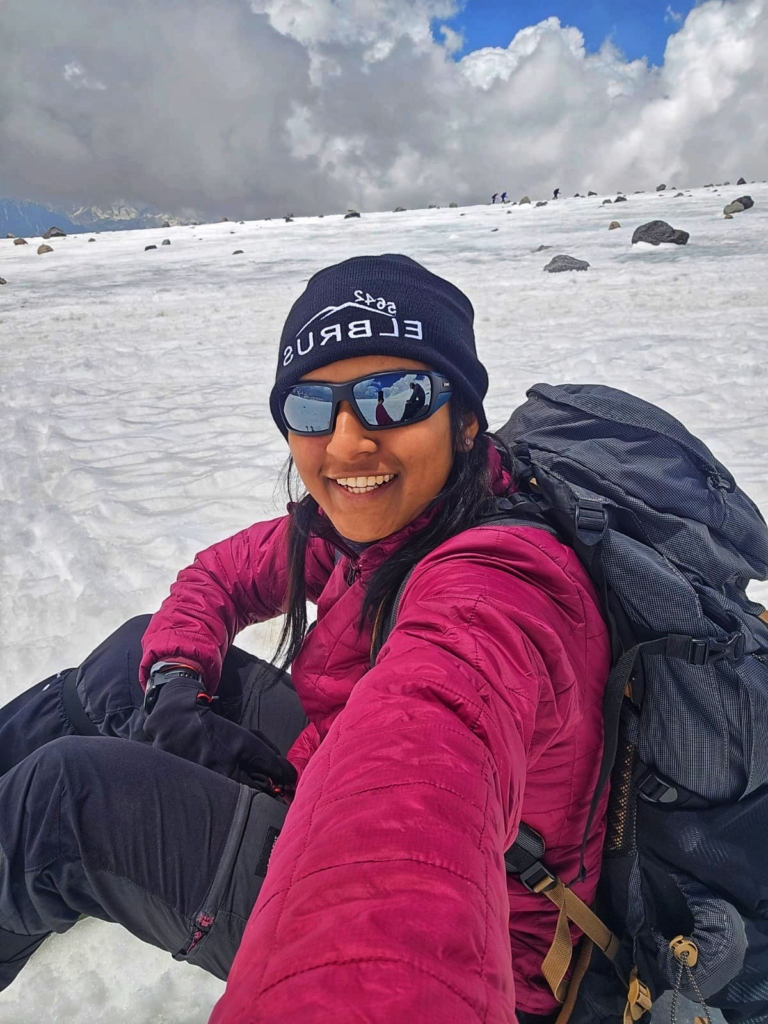
Mount Elbrus tested me the most. I went solo with a local Russian agency. Ten of us. Eight Russians, one Indian from Delhi, and me. They moved fast, barely stopping. I moved slower, not because I rested, but because I endured. There were no porters.
Heavy snowfall and violent headwinds knocked me down repeatedly. Phones were banned. Fear stayed constant, not dramatic, but steady.
Summit night began at midnight. Some climbers turned back due to sickness and weather. I did not think about success or failure. I focused only on the next step. One breath. One movement.
At the summit, climbers noticed the Indian flag I carried and asked if I was Indian. Saying yes in that moment filled me with pride I will never forget.
Courage is not the absence of fear. It is moving forward with it.
Endurance sports became my way of building mental strength. When you push your body into extreme situations, everyday problems feel smaller.
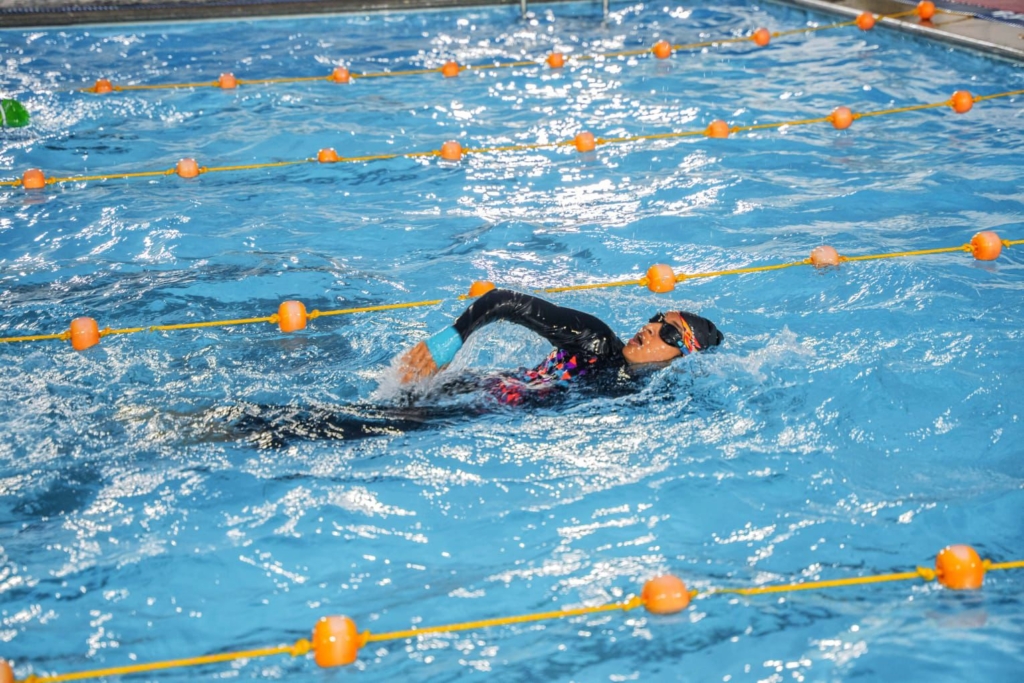
Triathlon was the next challenge. Running and cycling were familiar. Swimming was not. I learned swimming from scratch and faced near-drowning experiences in open water.
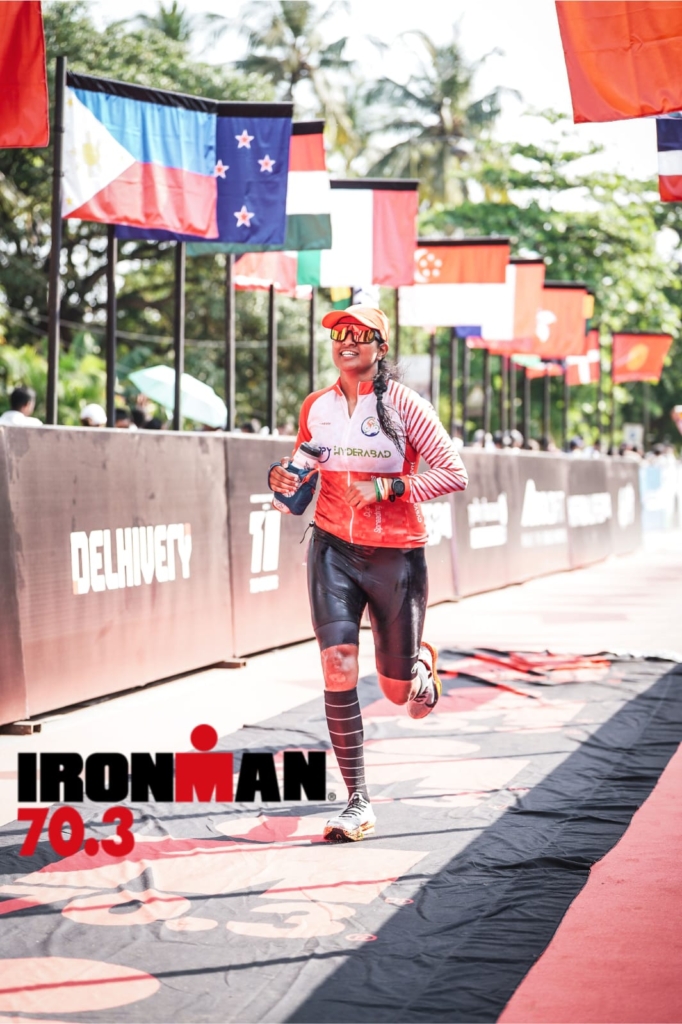
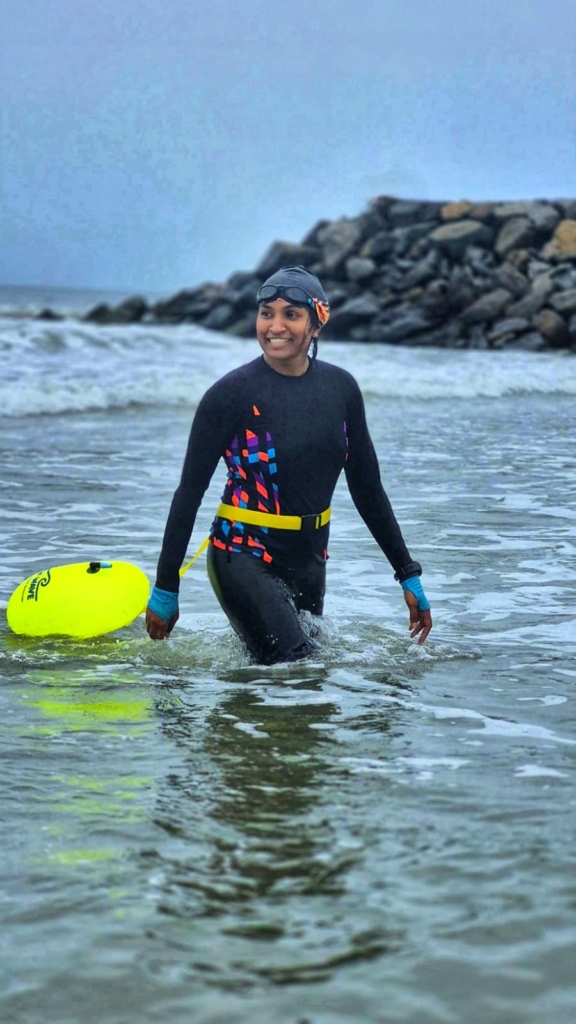
Training for Ironman 70.3 in Goa while working full-time meant twelve to fifteen hours of training weekly, daily office travel, early mornings, and cutting down social life.
What Ironman ultimately taught me is this — consistency matters more than chaos. That lesson stays with me even off the racecourse — in work, relationships, and everyday life.
I conquered Ironman 70.3 with ease. I wasn’t chasing speed. I only wanted to finish calm and strong without any injuries, with a huge smile on my face.
Everything I have done has been self-sponsored. As I work toward bigger dreams, including summiting Everest as part of the Seven Summits, I hope to collaborate with sponsors who believe in this journey.
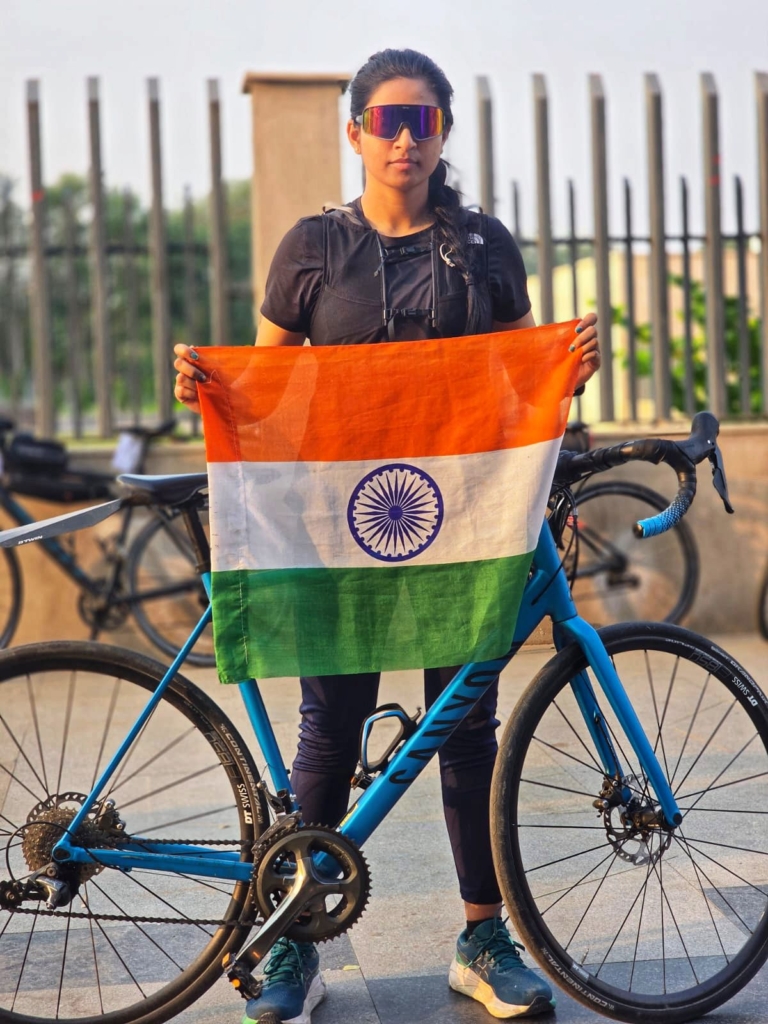
More than achievements, I want women to know this — you don’t discover your strength by waiting. You discover it by stepping into discomfort and staying there.
That is how I live now.
One step. One breath. Forward.”
— Anjani T, Triathlete | Mountaineer | Community Leader | Marketing Professional