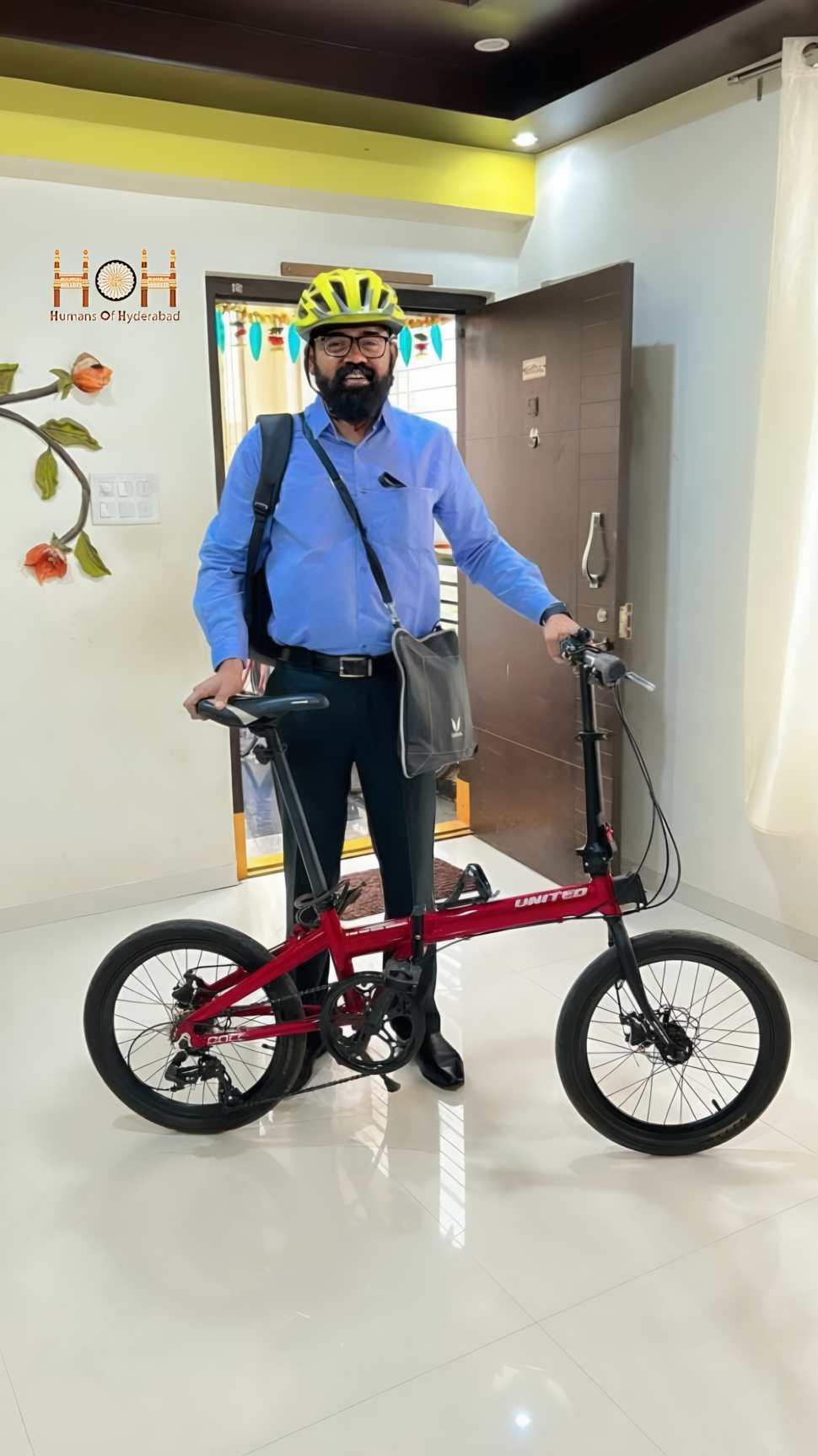
“I’ve spent close to two decades working in the IT sector. That part of my life is straightforward. Problem-solving, planning, and long hours in front of a screen. But alongside all of that, cycling became the space where I could breathe, think, and feel free. When I was living in Chennai, I began riding regularly. Early morning rides, quiet roads, and the feeling that the day hadn’t taken over yet.
When work brought me to Hyderabad, the city felt energetic and full of ambition. But something struck me immediately. Hardly anyone used a cycle for daily travel. People looked at cycling as fitness, or something that belonged inside parks. Meanwhile, even short distances were being done on vehicles, and the roads were getting more congested every year.
So, I continued riding. A few others joined. Those weekend rides slowly turned into conversations about the city, mobility, health, safety, and freedom of movement. That’s how our community, what people now know as Hyderabad Cycling Revolution, took shape. It wasn’t planned. It was just people coming together because they believed the city could move differently.
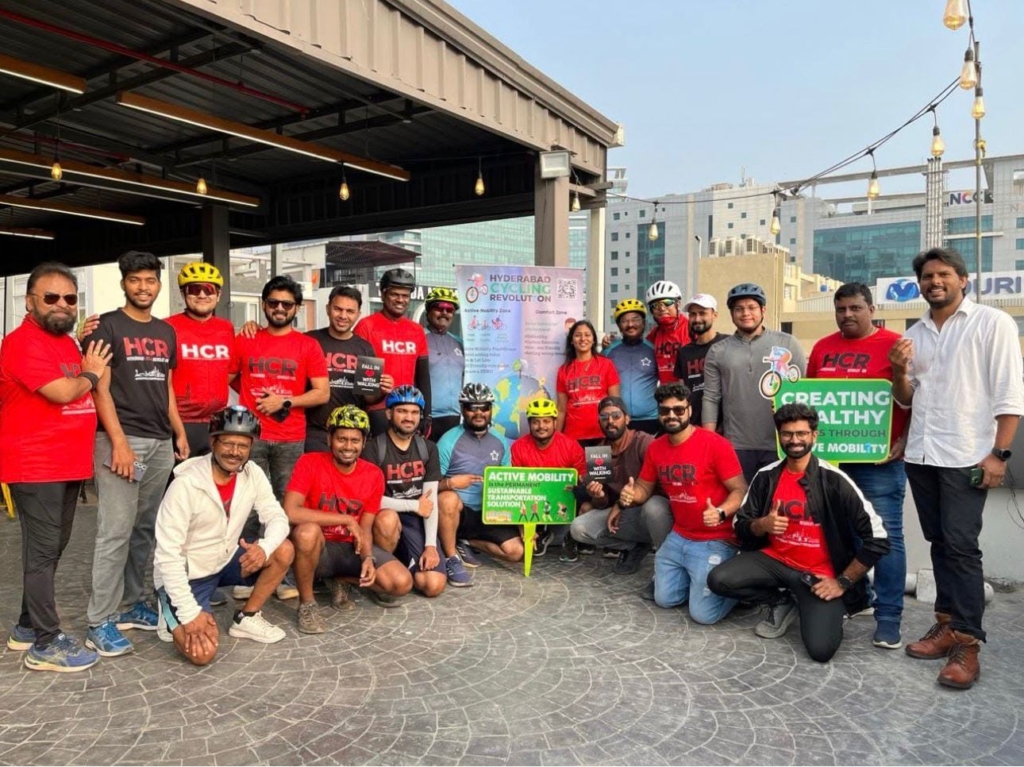
In 2021, I was appointed the Bicycle Mayor of Hyderabad, an honorary role by BYCS. It gave me the space to speak to departments, NGOs, corporates, and citizens about better cycling and walking infrastructure. I’ve never looked at the role as a title. For me, it’s a responsibility. To listen, to connect, and to find ways to make everyday movement safer and easier.
One project that truly shifted things for cyclists here is the Healthway Solar Cycling Track along the Outer Ring Road. A 23-kilometre, three-lane, solar-covered dedicated track, open throughout the day and night. It’s one of the first of its kind in the country. For many people, this track became their entry into cycling, especially those who didn’t feel safe riding in traffic. I’ve watched beginners taking their first laps, families spending their weekends together, and serious riders training without worry.
But with any public space, misuse becomes a concern. Recently, a video circulated where a family performed last-rites rituals, including tonsuring, right in the middle of the track. When cyclists questioned it, someone allegedly responded with political intimidation. I spoke up because it wasn’t just an inconvenience. It was a reminder of how easily shared spaces can be disregarded. A facility built with public money and a lot of effort deserves respect. Civic sense is as important as infrastructure.
https://www.instagram.com/reel/DSKRI7piSnI/?igsh=d2tpanU5emNrZXhq
And this is where active mobility comes in. Cities like Hyderabad need it more than ever. Active mobility, walking, cycling, running, or using public transport, isn’t just a lifestyle choice. It helps reduce traffic, cuts pollution, improves health, and gives people back their time and dignity on the roads. That’s why our cycling community, in collaboration with the State, began a massive awareness campaign aimed at reaching five lakh citizens. The message is simple. If your trip is within 2 km, walk or cycle. If it’s beyond 5 km, use public transport. Small changes, made by many people, can transform how a city breathes and moves.
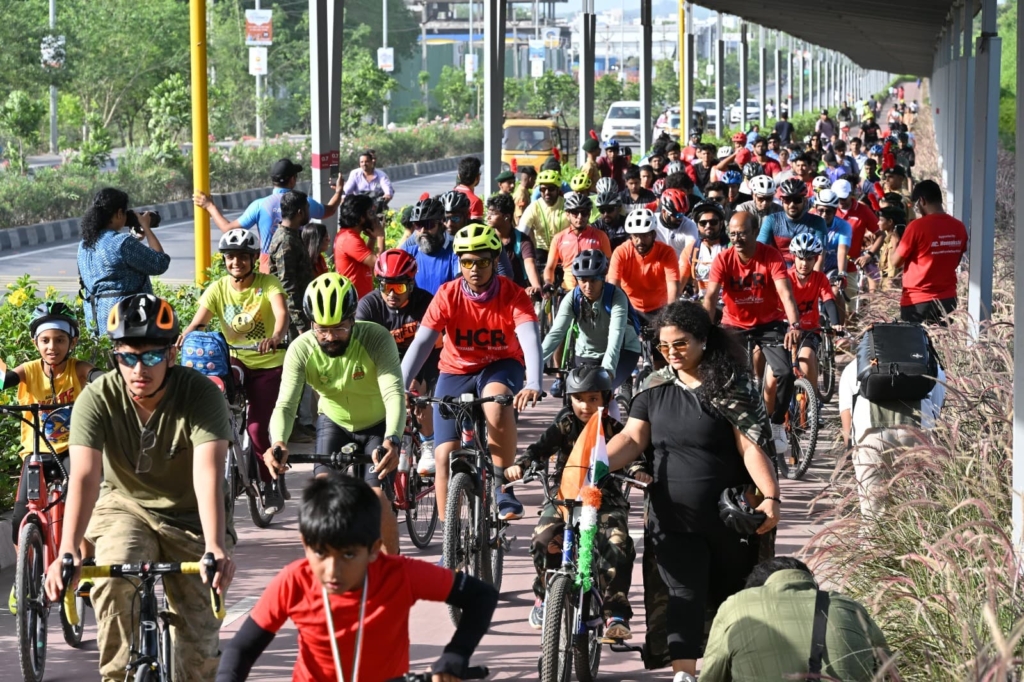
Our target is clear. By 2030, we want at least 50 percent of Hyderabadis to use walking, cycling, or public transportation for their daily travel. It’s ambitious, but it’s possible. Every city that moves toward sustainable mobility started with a community that refused to give up.
My dream is simple. A Hyderabad where short trips happen on foot or cycle without fear, where families feel safe on the roads, and where public spaces are treated with the respect they deserve. Mobility affects everything: time, health, environment, and the quality of life we leave behind for the next generation.
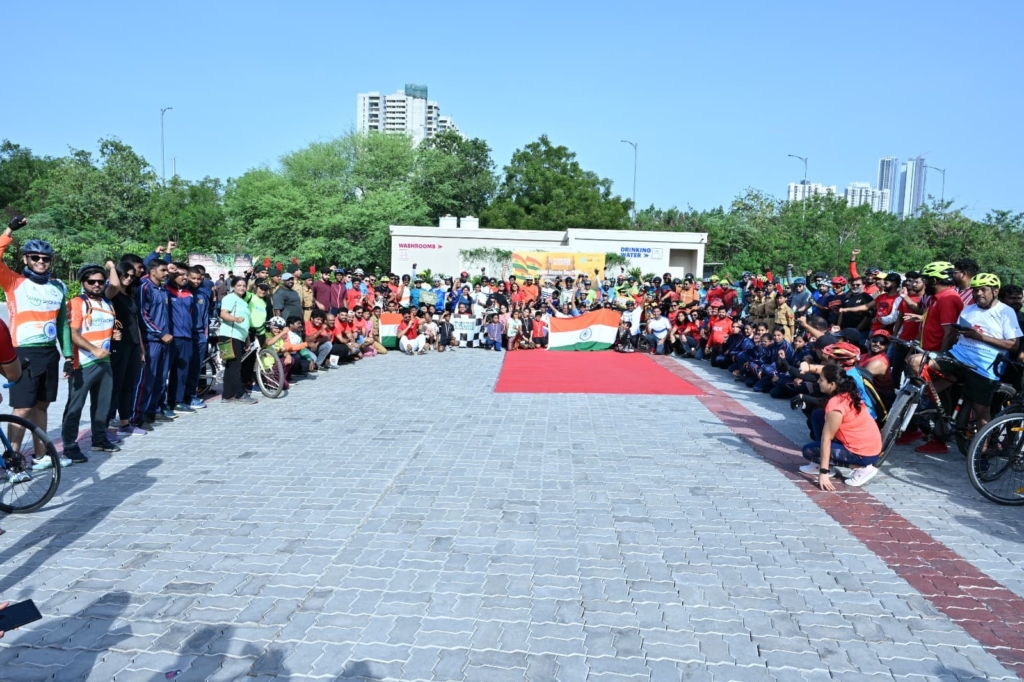
And all of this, every ride, every campaign, every conversation, every kilometre of advocacy, began with one uncomplicated habit from years ago: waking up, getting on my cycle, and letting the road remind me of who I want to be.”