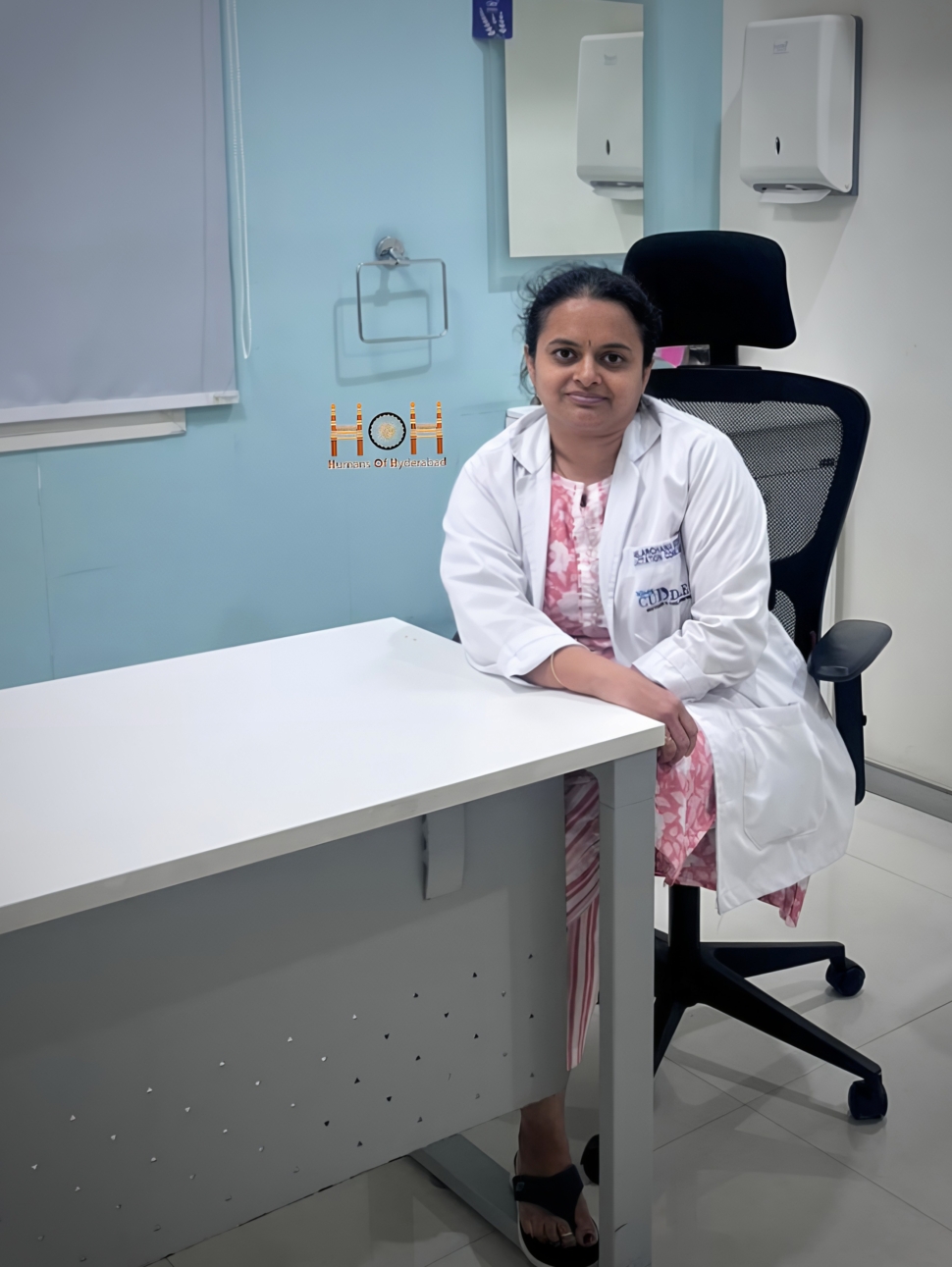
“As a lactation consultant, I often meet mothers worried about whether their baby is feeding enough or gaining weight. But behind those questions, I notice something deeper: tiredness, guilt, and the quiet pressure of wanting to be the perfect mother. That’s when I remind them, “You’re not just feeding your baby, you’re nurturing yourself too.”
On this World Mental Health Day, I want to highlight what often goes unspoken: the mental and emotional wellbeing of new mothers. During pregnancy and after childbirth, everyone talks about nutrition, scans, baby shopping, and sleep routines. But very few ask, “How are you feeling?”
Postpartum Depression isn’t just sadness. It can feel like exhaustion, guilt, anxiety, or losing a sense of self. I’ve seen strong, independent women — doctors, engineers, teachers silently struggling because they think asking for help makes them weak. Reaching out is strength. Emotional support affects breastfeeding, bonding, and recovery. When a mother feels supported, she heals faster and connects deeply with her baby.
I always tell new mothers, be kind to yourself. You’re healing and learning at the same time. Ask for help early, from your doctor, lactation consultant, counsellor, or a friend. You deserve support as much as your baby does.
My journey into this profession began after motherhood changed my perspective. I had a background in nutrition and worked as a diabetes educator. During my pregnancies, I realised how isolating the early days of motherhood can be. Even with knowledge, doubts and questions were constant. I wanted to help other women navigate this phase with confidence.
I studied further, got certified in lactation education, and later cleared the International Board Certified Lactation Consultant (IBCLC) exam. Since then, I’ve worked closely with hundreds of mothers. Some of the most memorable moments have been in Neonatal Intensive Care Units. Mothers there are incredibly strong, spending sleepless nights by their babies’ side, balancing fear and hope. They don’t always need advice; sometimes, they just need someone to listen and say, “You’re doing enough.
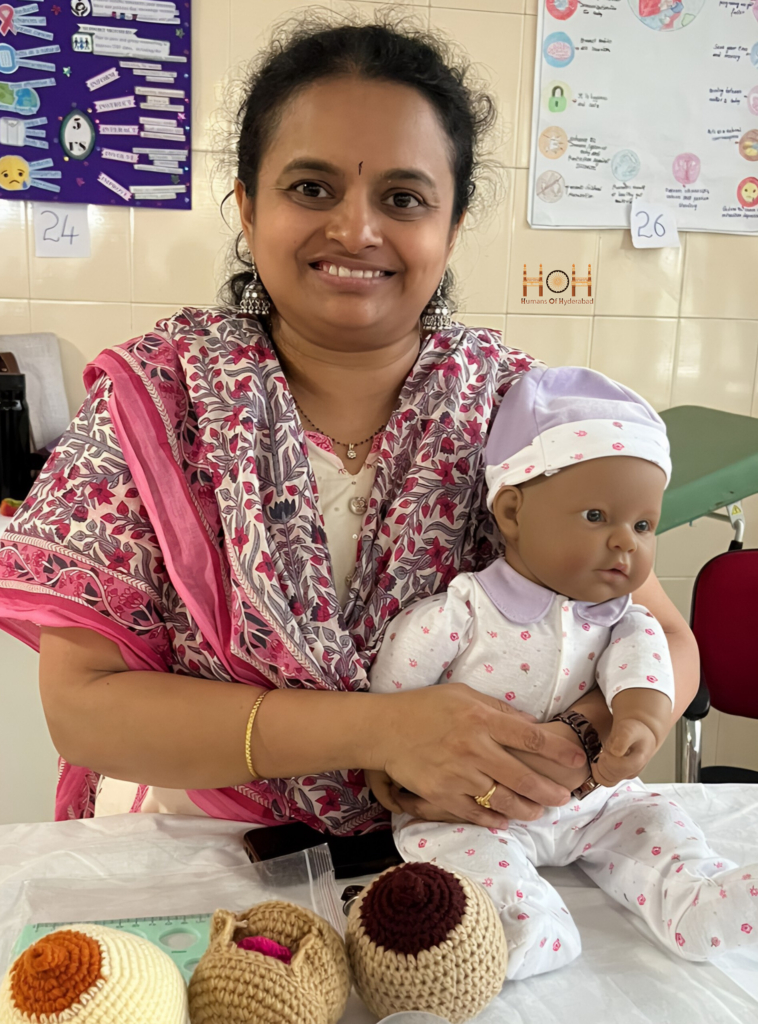
Helping new mothers through the challenges of breastfeeding, postpartum recovery, and caring for their babies is my work as a lactation consultant. I do more than give clinical guidance; I listen, support, and empower mothers during one of the most vulnerable phases of their lives.Many stay in touch even after leaving the hospital. “He’s finally gaining weight,” “She smiled today.” Those small updates are my biggest rewards.I’ve realised that preparation makes a difference. Every pregnant woman deserves breastfeeding guidance before delivery. Antenatal sessions help mothers face the postpartum period with confidence. Hospitals should also ensure their staff receive basic lactation training. That is the goal of the Baby-Friendly Hospital Initiative, which encourages supportive care from birth.Misinformation remains a challenge. Between social media, family advice, and cultural pressures, new parents often feel lost. I tell them to trust science and support, not trends. Miracle gadgets or magic formulas aren’t necessary. What they need is patience, knowledge, and guidance.Over the years, I’ve seen hopeful changes. More doctors refer mothers to lactation consultants, and families share responsibilities more equally. Conversations about maternal mental health are also growing, a vital step forward.A calm mother nurtures a calm baby. When a mother feels heard, respected, and supported, the entire family benefits. I’ll never forget the quiet moments when a mother’s face lights up because her baby finally latches. That look of relief and confidence returning is what keeps me going.Supporting mothers goes beyond clinical advice. It’s about understanding their invisible battles, sleepless nights, self-doubt, and the courage to show up every day. For anyone considering this field, I’d say it requires patience, empathy, and continuous learning. You’re not just helping a mother feed her baby, you’re helping her believe in herself again.When you support a mother, you don’t just change her day. You change her world. And through her, you change generations.”- Ms. Archana Reddy Chinnapatlolla, Lactation Consultant#WorldMentalHealthDay
Helping new mothers through the challenges of breastfeeding, postpartum recovery, and caring for their babies is my work as a lactation consultant. I do more than give clinical guidance; I listen, support, and empower mothers during one of the most vulnerable phases of their lives.
Many stay in touch even after leaving the hospital. “He’s finally gaining weight,” “She smiled today.” Those small updates are my biggest rewards.
I’ve realised that preparation makes a difference. Every pregnant woman deserves breastfeeding guidance before delivery. Antenatal sessions help mothers face the postpartum period with confidence. Hospitals should also ensure their staff receive basic lactation training. That is the goal of the Baby-Friendly Hospital Initiative, which encourages supportive care from birth.
Misinformation remains a challenge. Between social media, family advice, and cultural pressures, new parents often feel lost. I tell them to trust science and support, not trends. Miracle gadgets or magic formulas aren’t necessary. What they need is patience, knowledge, and guidance.
Over the years, I’ve seen hopeful changes. More doctors refer mothers to lactation consultants, and families share responsibilities more equally. Conversations about maternal mental health are also growing, a vital step forward.
A calm mother nurtures a calm baby. When a mother feels heard, respected, and supported, the entire family benefits. I’ll never forget the quiet moments when a mother’s face lights up because her baby finally latches. That look of relief and confidence returning is what keeps me going.
Supporting mothers goes beyond clinical advice. It’s about understanding their invisible battles, sleepless nights, self-doubt, and the courage to show up every day. For anyone considering this field, I’d say it requires patience, empathy, and continuous learning. You’re not just helping a mother feed her baby, you’re helping her believe in herself again.
When you support a mother, you don’t just change her day. You change her world. And through her, you change generations.”
- Ms. Archana Reddy Chinnapatlolla, Lactation Consultant