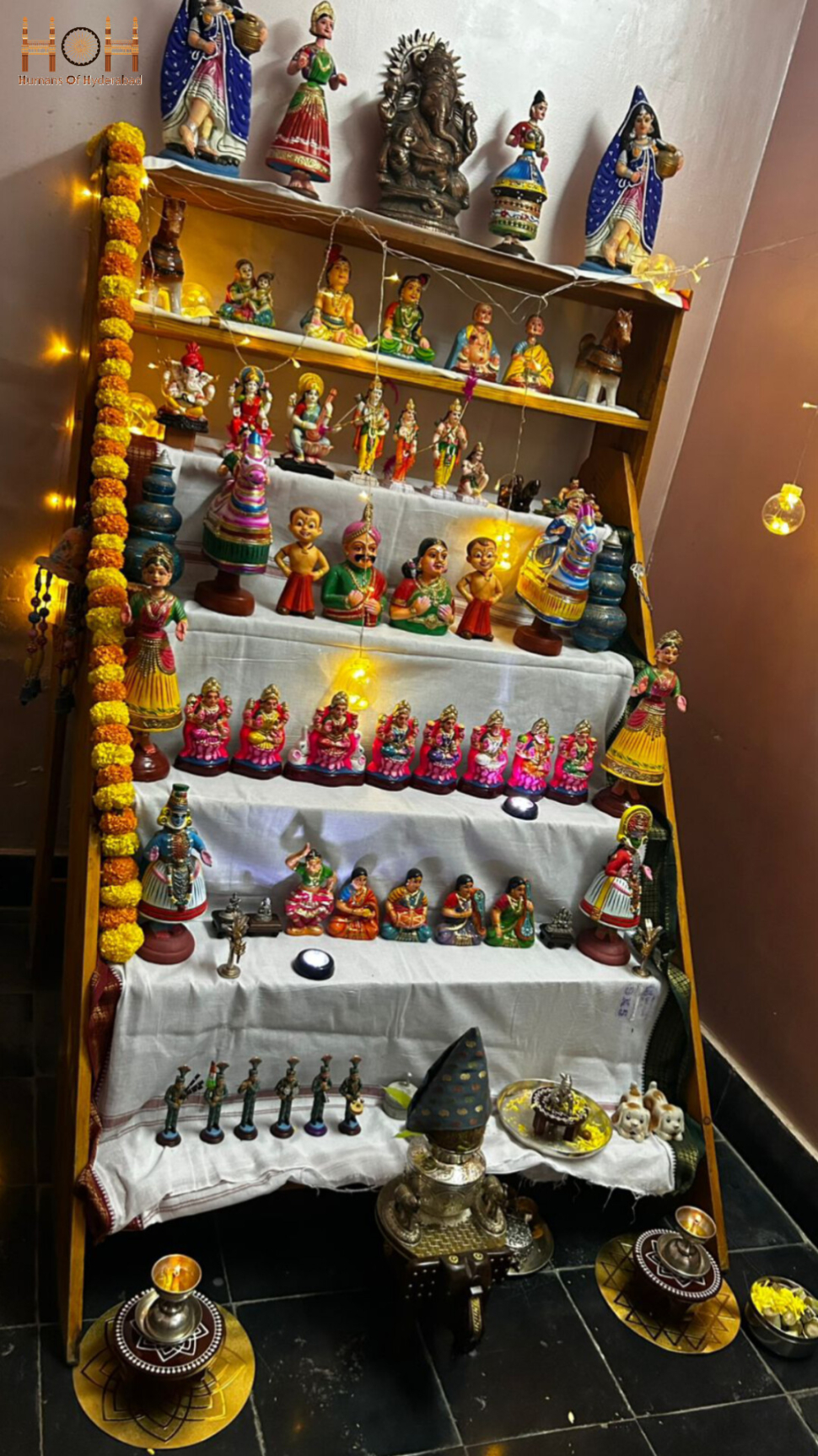
In many Telugu households, Sankranti is not complete without Bommala Koluvu. Arranged carefully on wooden steps inside the home, these dolls are more than festive decor. They reflect how families remember their traditions, pass on values, and mark the harvest season together.
Bommala Koluvu usually comes up during Sankranti when homes are cleaned, rangolis are drawn, and lamps are lit. Dolls of gods, village life, women at work, farmers, and everyday scenes are placed tier by tier. Each figure has a meaning. The gods remind the family of gratitude. The village dolls reflect a way of life rooted in simplicity and community. Together, they tell a quiet story of who we are and where we come from.
What makes Bommala Koluvu special is not just the display, but the process behind it. Elders guide the arrangement, children watch, ask questions, and slowly learn. It becomes a shared activity where stories are exchanged without formality. In many homes, this tradition has moved from grandmothers to mothers, and now to the next generation.
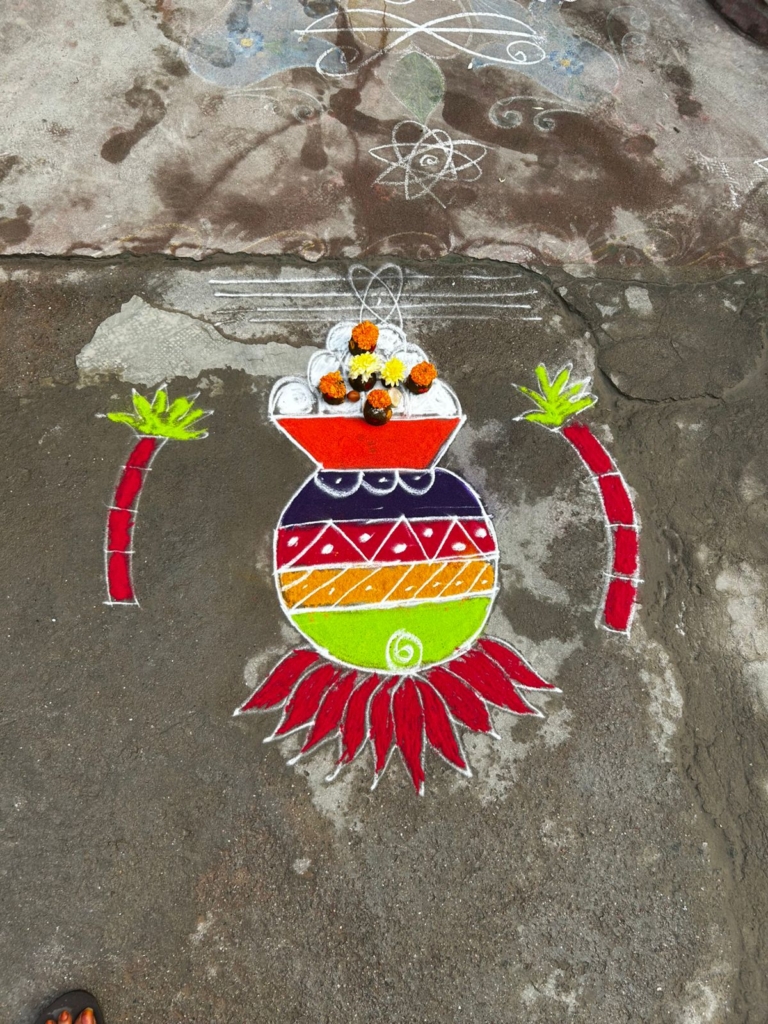
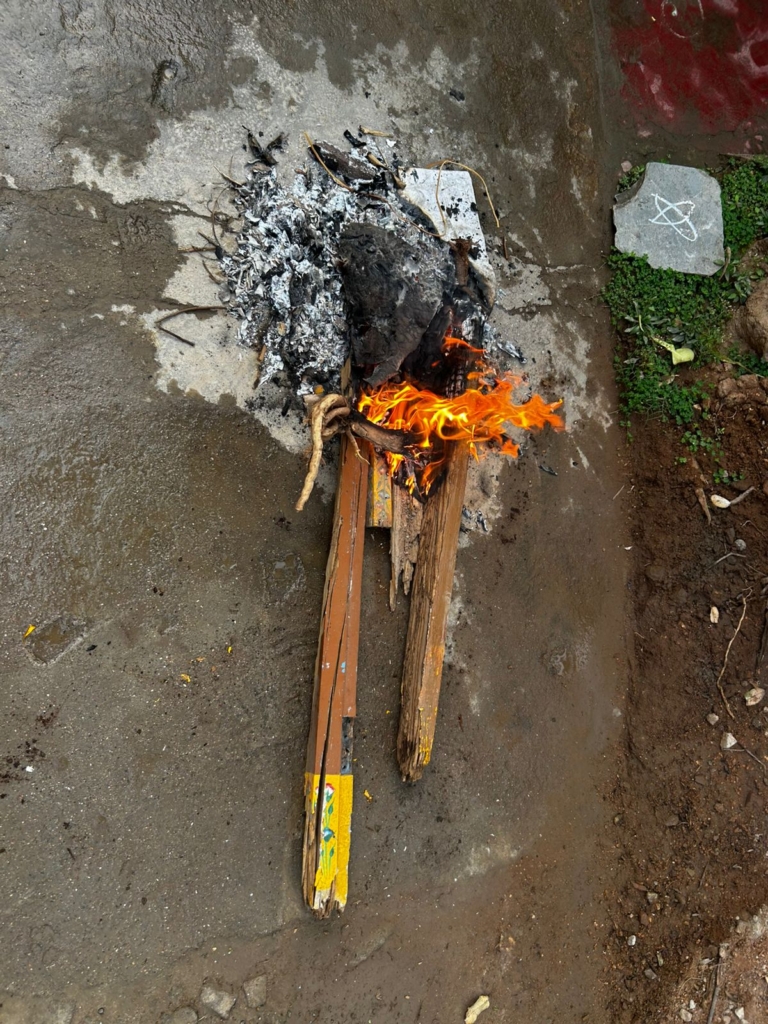
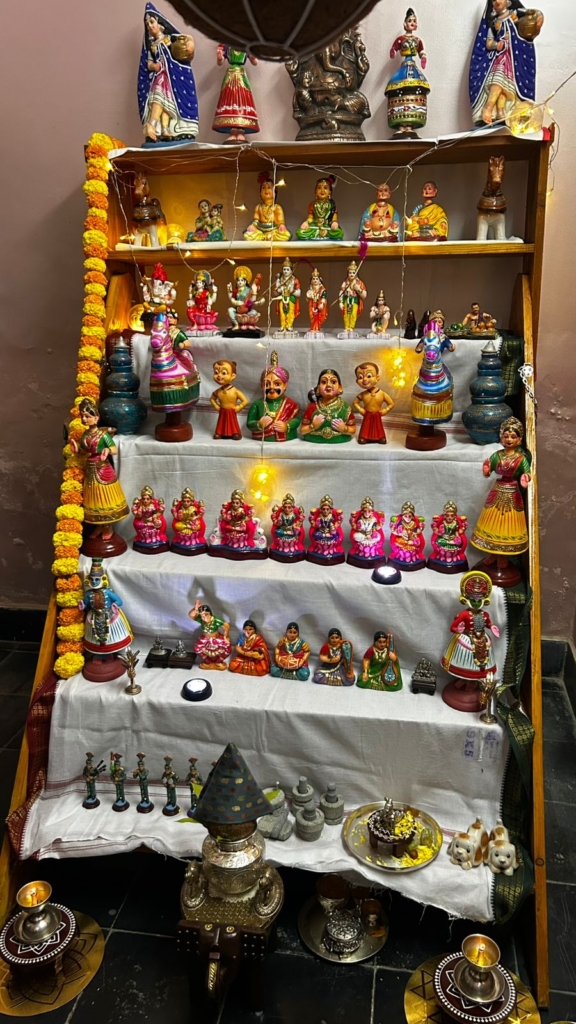
During Sankranti, a festival centred on harvest and thanksgiving, Bommala Koluvu becomes a visual reminder of balance between devotion, daily life, and family bonds—bringing faith and people together.