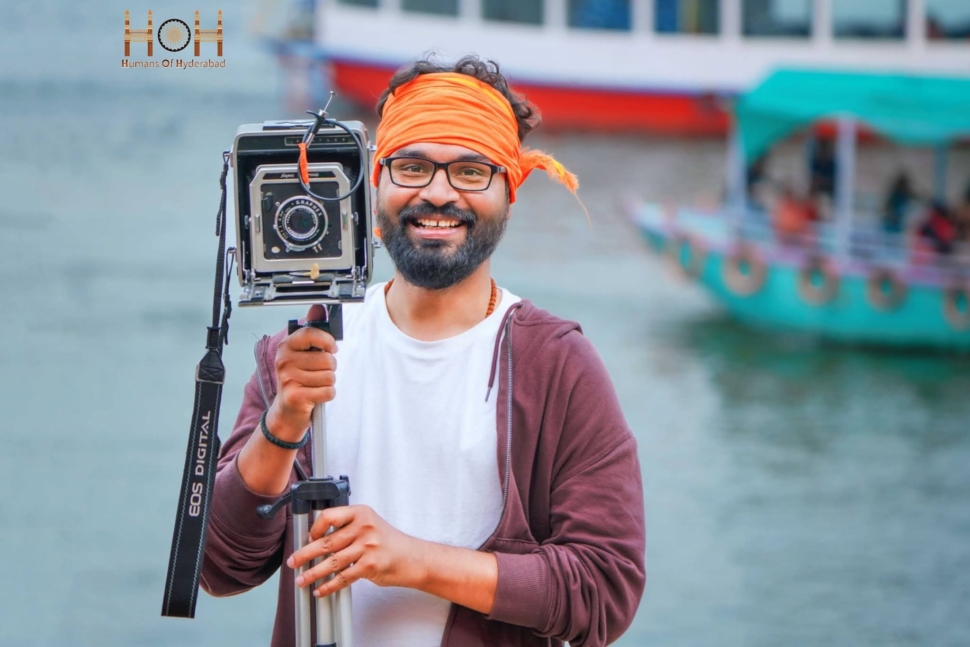
“The soul of a photograph isn’t found in a sensor; it’s found in the suspense of the era of negatives. When I started my journey in 2004, photography was a high-stakes game of patience. You had exactly 36 shots in a roll—no screen to check your work, no ‘delete’ button, and no instant gratification. You had to manually adjust the focus and pray as you clicked. The days spent waiting for that film to develop, followed by the tension of enlarging the print in a darkroom to see if the highlights and shadows landed where you imagined—that suspense is where I first fell in love with the craft.
I am a Hyderabad boy through and through, and while I was pursuing my B.Com, photography was my silent shadow. My parents wanted me to focus on a stable career, but the pull was too strong. I started freelancing at weddings and as an assistant on small ad shoots just to get a camera in my hands, eventually joining the very first photography batch at JNAFAU to build the technical foundation I needed to turn my passion into a profession. My real classroom, however, was the newsroom. I spent over a decade as a Senior Cameraman for channels like NTV and 10TV, and journalism changes how you look at the world. You aren’t just shooting beautiful things; you are shooting the raw, unfiltered truth. I saw everything—train accidents, crime scenes, and fire mishaps—but also the resilience of the common man.
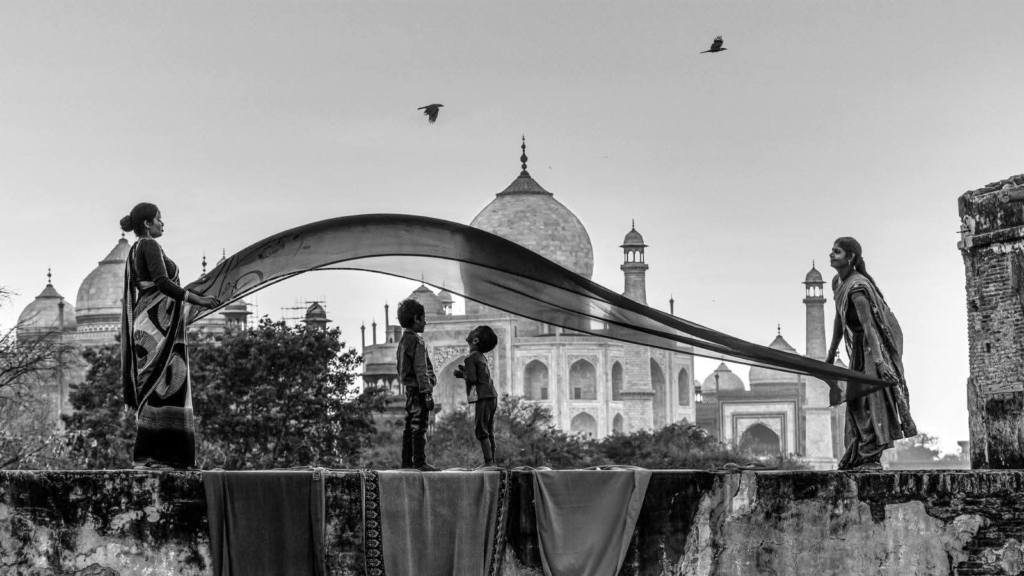
It taught me that while we all live in the same society, our emotional lives are worlds apart. But after twelve years in media, I felt a void. I didn’t want to just be an ‘operator’ anymore; I wanted a self-identity that lasted longer than a 24-hour news cycle. I realized that while ten engineers might build a camera body, the magic only happens when it meets a human’s vision. So, I quit my steady job and dove headfirst into travel and art photography, funding my missions with the money I earned from freelancing.
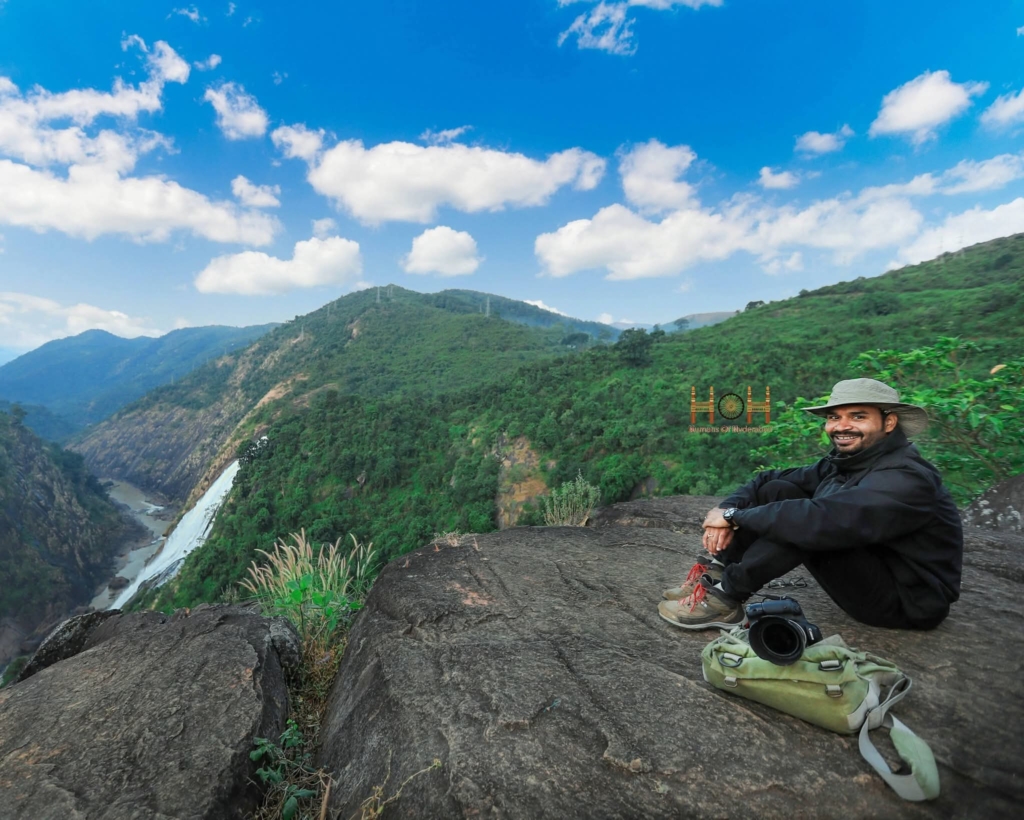
Traveling for me is about the grit of the earth and the lessons learned from the people you meet along the way. I avoid flights because they are expensive and disconnect you from the terrain; I prefer the rattling trains and local buses because that’s where you truly meet the heart of India. I’ve covered 10 to 12 states, focusing on documenting ‘the disappearing.’
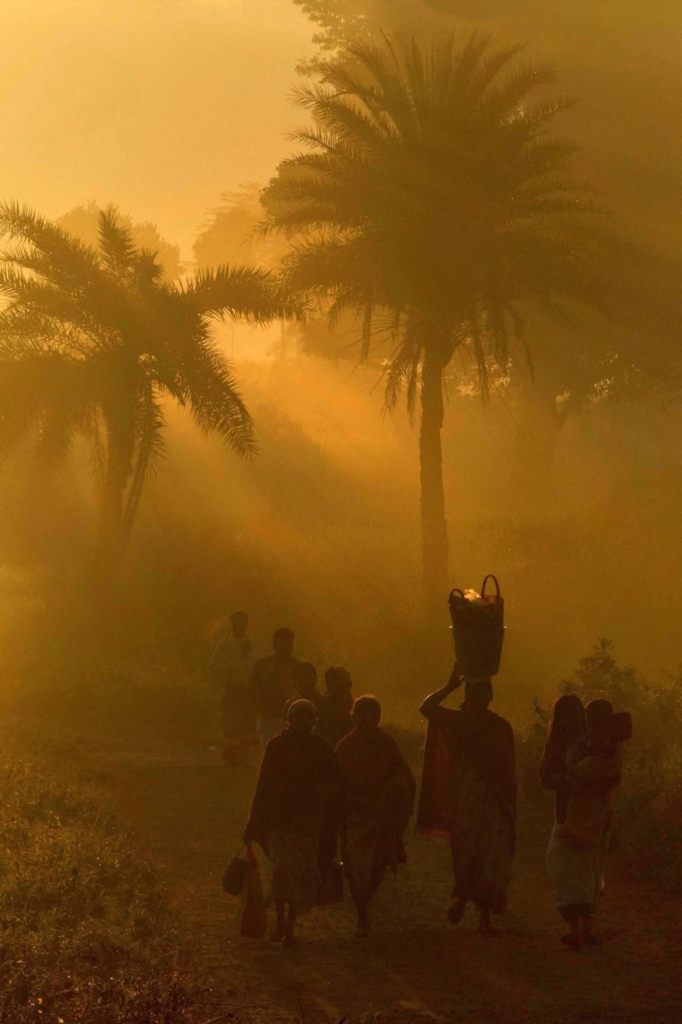
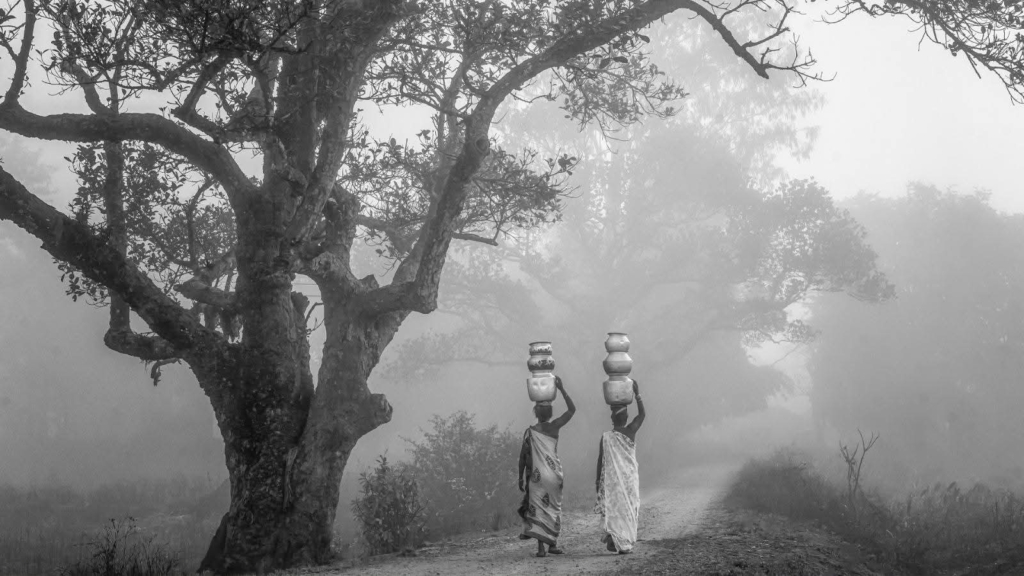
I spent months in the Araku Valley, waking up before dawn to capture people drawing water from wells. In the deep hills of Odisha, I trekked to find the Bonda tribe.
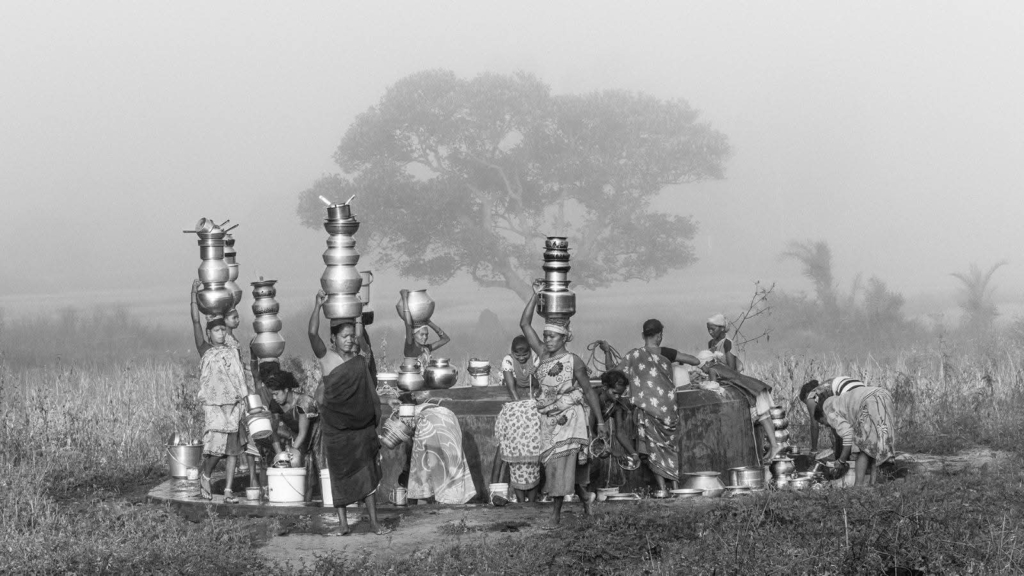
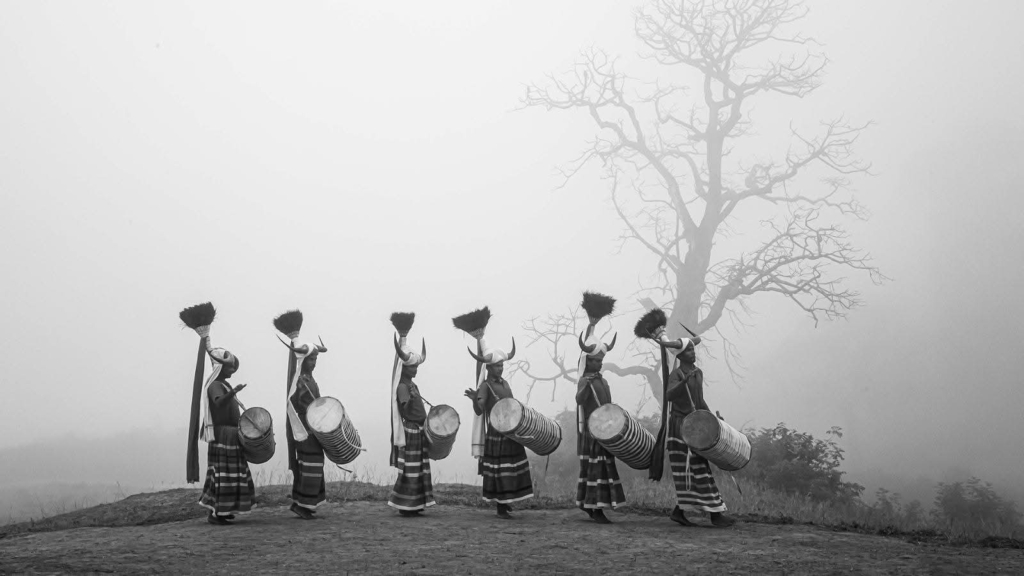
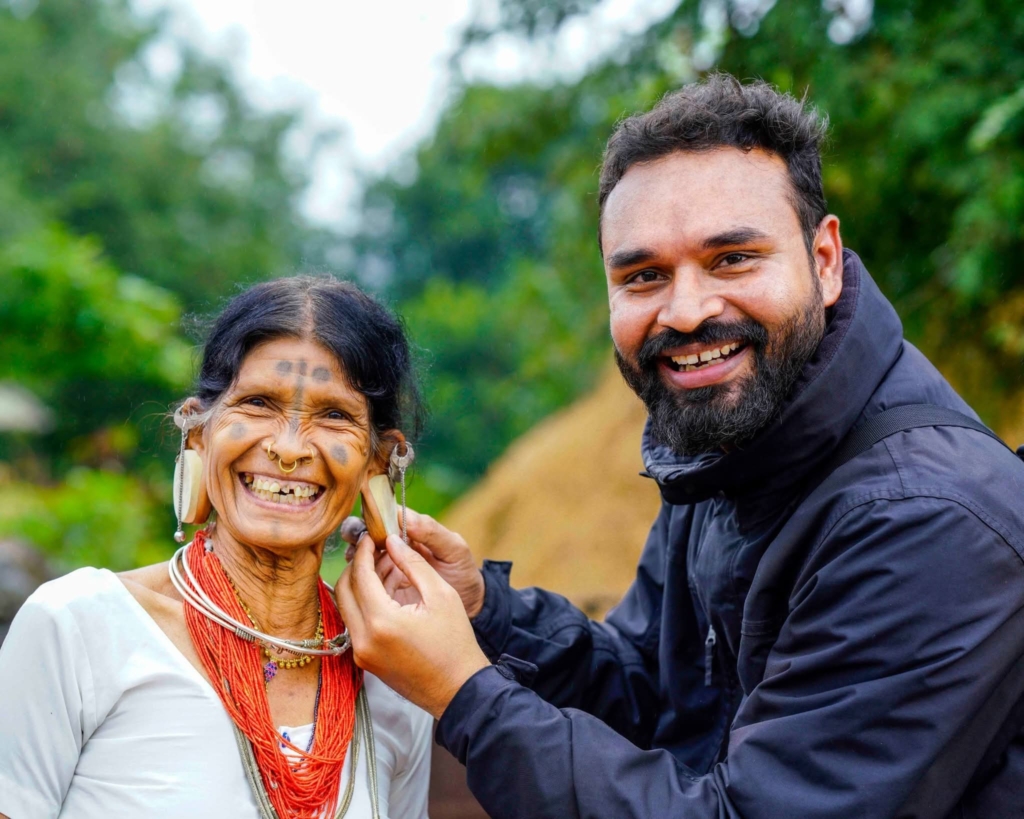
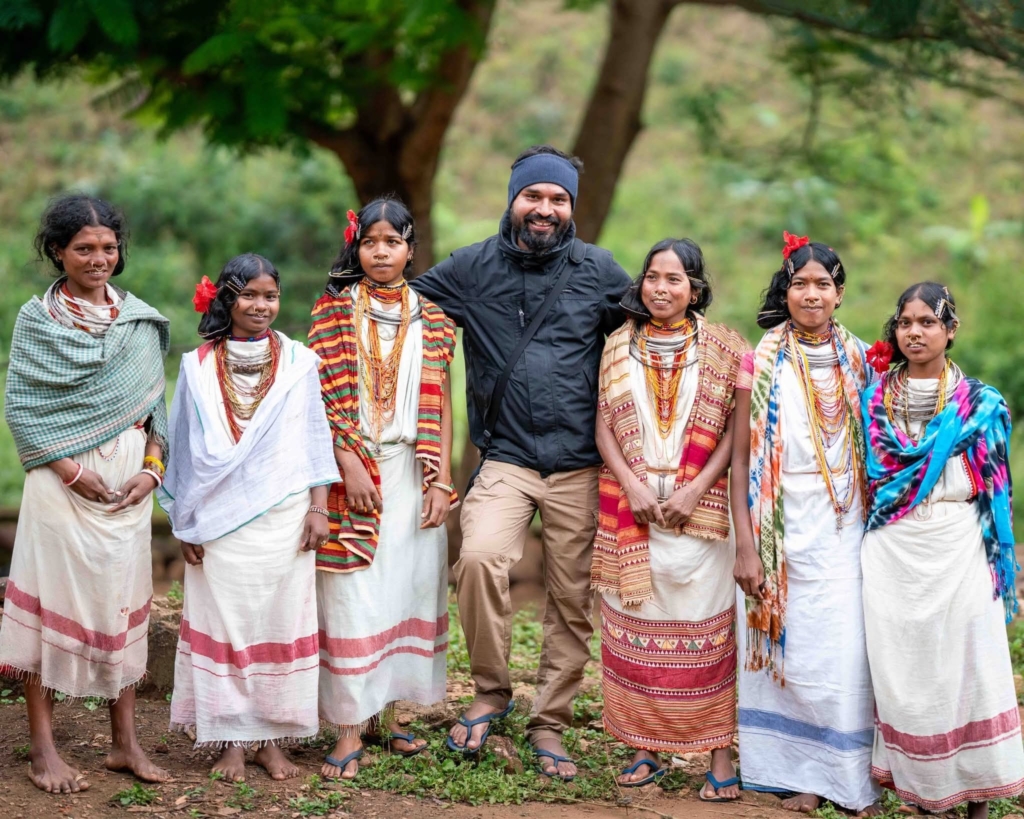
Their culture is fascinating—the women lead the households and maintain an ancient lifestyle. I documented their weekly ‘Santhas,’ which are not just markets but vibrant celebrations of identity.
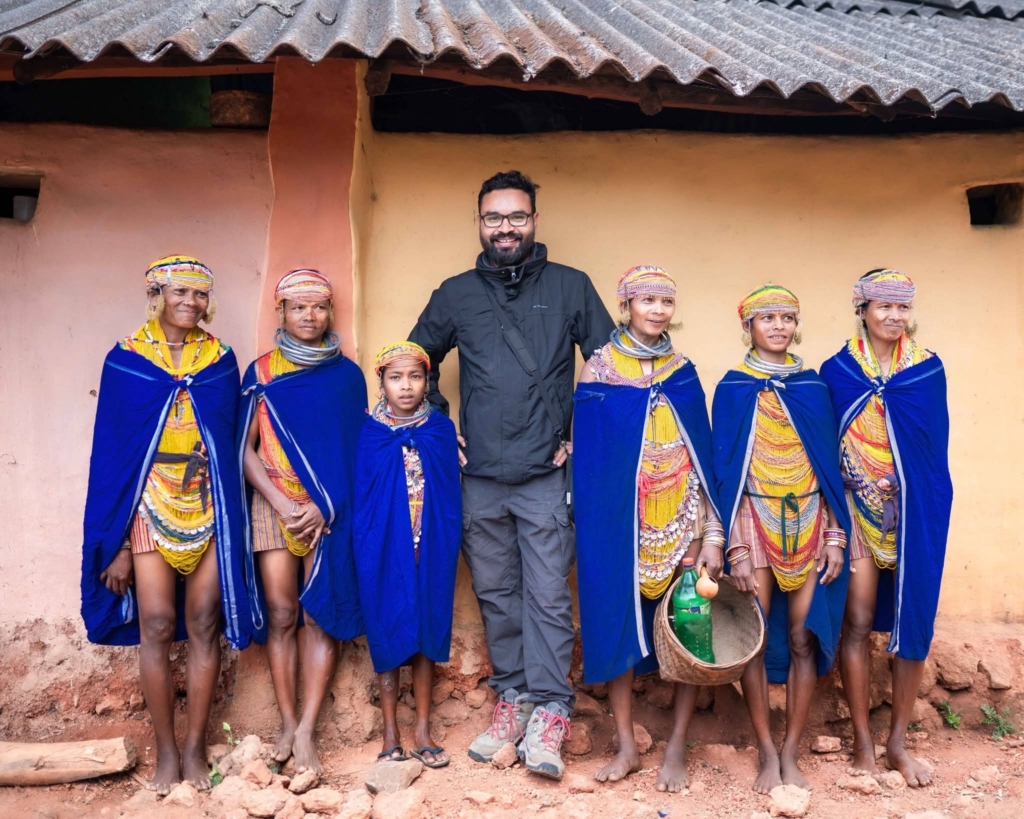
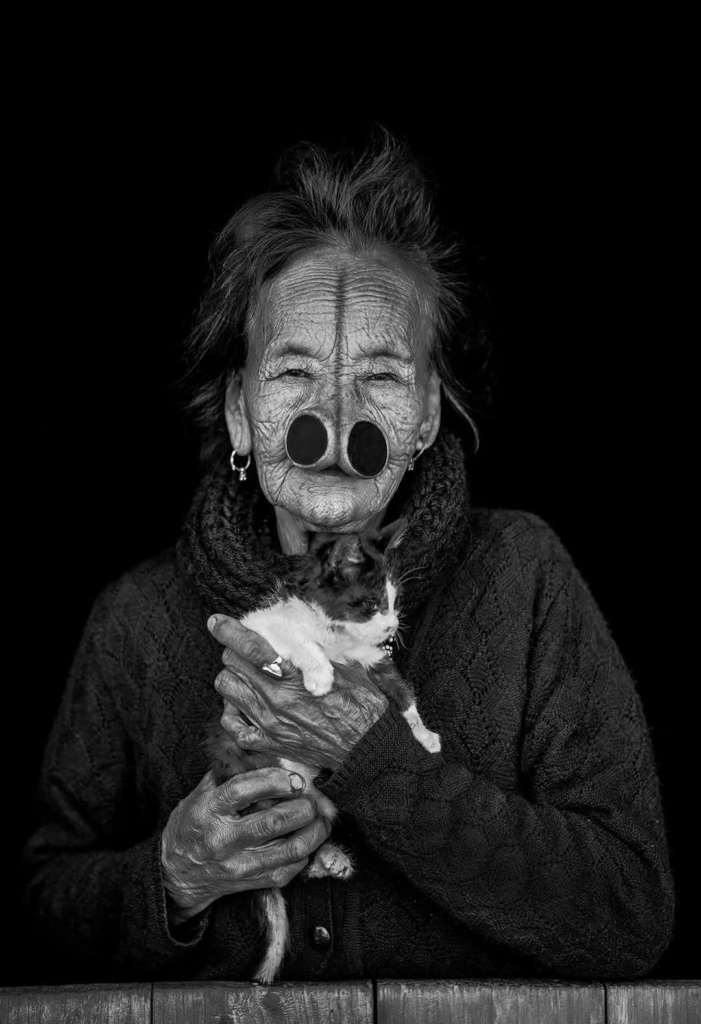
I saw how they viewed money with a sense of fear; to them, 500 rupees was a huge, frightening amount. In Ziro, Arunachal Pradesh, I documented the Apatani elders with their traditional nose plugs and facial tattoos—a practice that is literally fading away. If I don’t capture them now, that history is gone forever.
These travels taught me that you cannot just point a camera at a face; you have to talk, listen, and gain trust. I’ve lived with people who have so little, yet their hearts are so huge. I’ve revisited the ghats of Varanasi and Prayagraj multiple times, documenting the shift from old-world charm to modern connectivity, and I’ve spent four years traveling to Mathura for Holi. For three consecutive years, I documented the Medaram Jatara in Telangana. While others were shooting videos for social media, I was capturing the ‘trance’ of the pilgrims—their raw faith and the deep devotion that connects them to their gods.
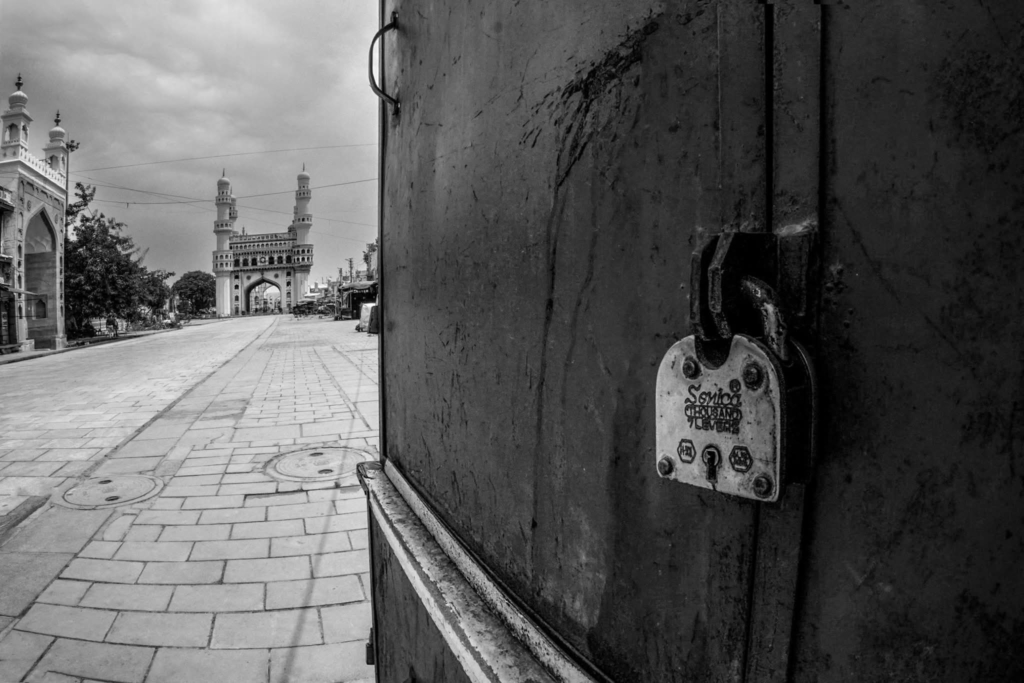
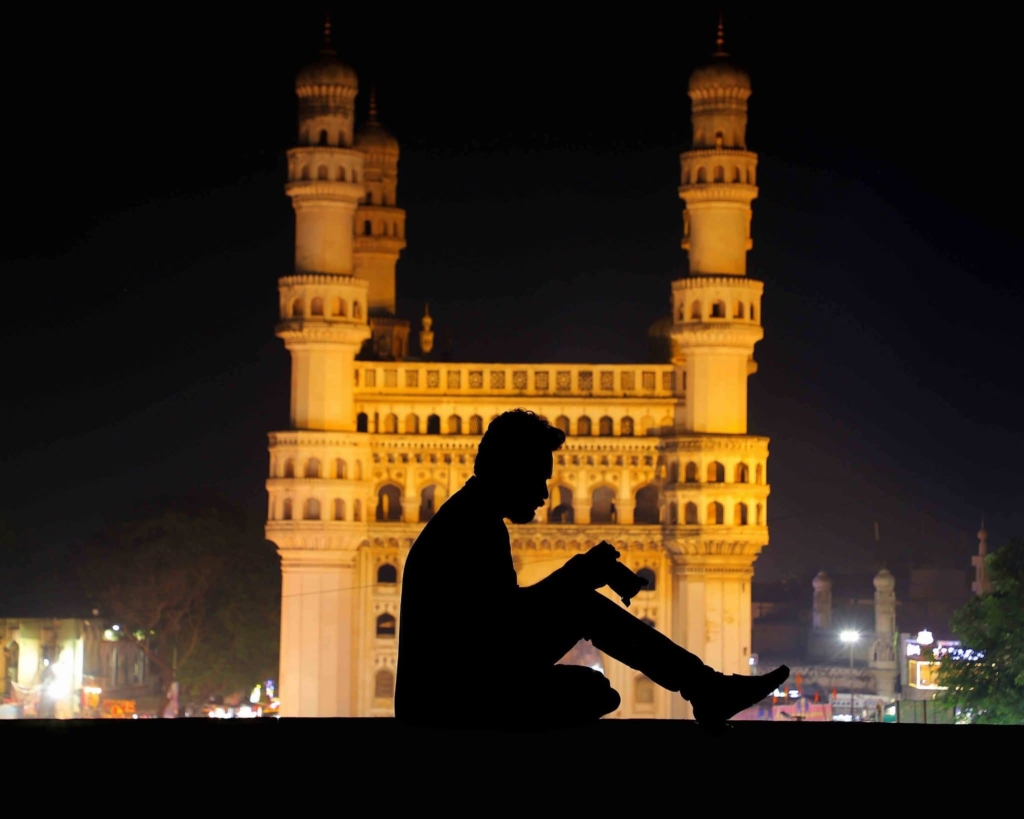
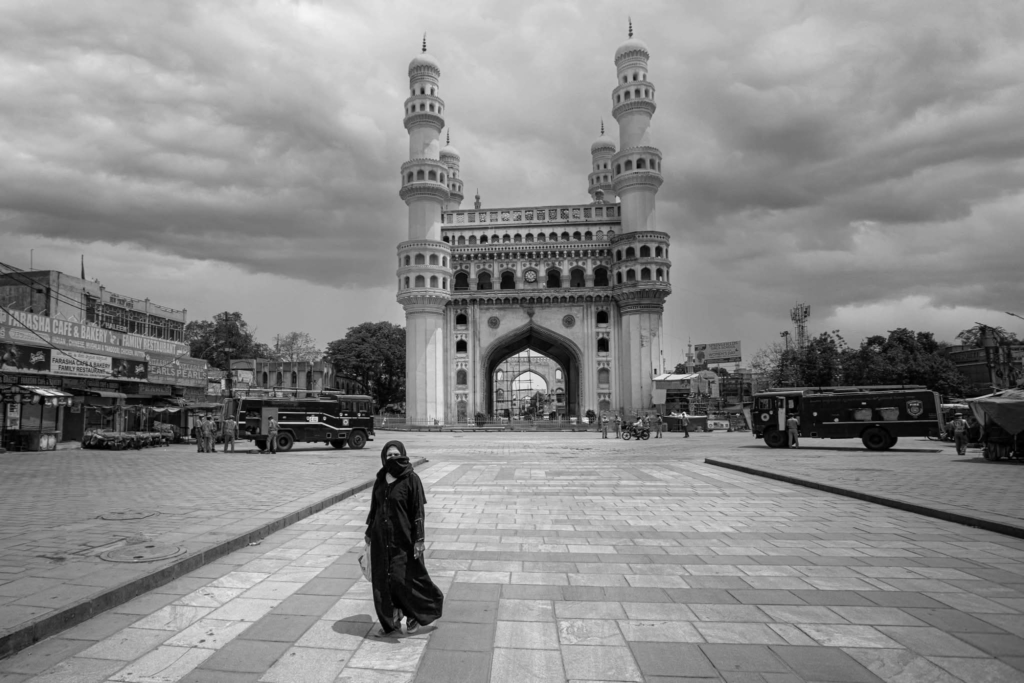
Even in my home city, during the haunting silence of the COVID-19 lockdowns, I walked the empty streets of Charminar to document a moment in history that no movie set could ever replicate.
Today, I have over 400 international and national awards and have served as a judge for global photography salons, but ‘likes’ on Instagram don’t drive me. I don’t work for the appreciation of others; I work for the passion of the art. Currently, I am working with Telangana CMO, balancing my professional life with my artistic mission.
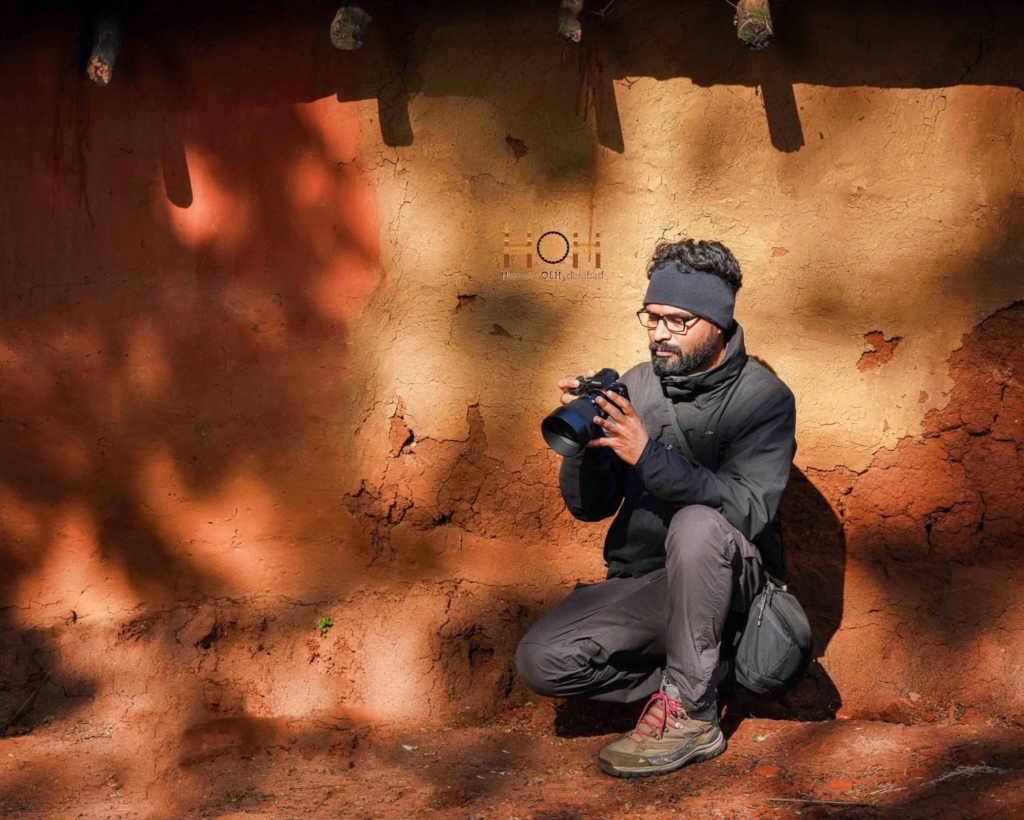
I believe that an application can disappear tomorrow, but a book stays. This is why I am working toward a Coffee Table Book—to create a permanent document of the tribes, the festivals, and the emotions of India for future generations.
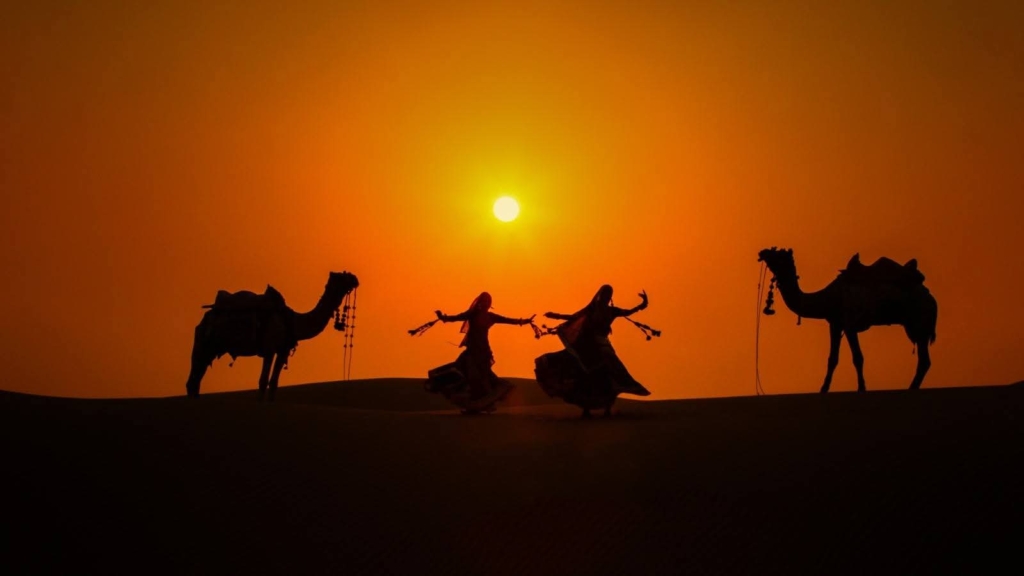
Photography must happen in the eyes first, and only then through the lens. Whether it’s the Bonda tribe in Odisha, the ghats of Varanasi, or the silent streets of Hyderabad, I am making sure that 50 years from now, people look at my work and know exactly who we were and what we believed in.
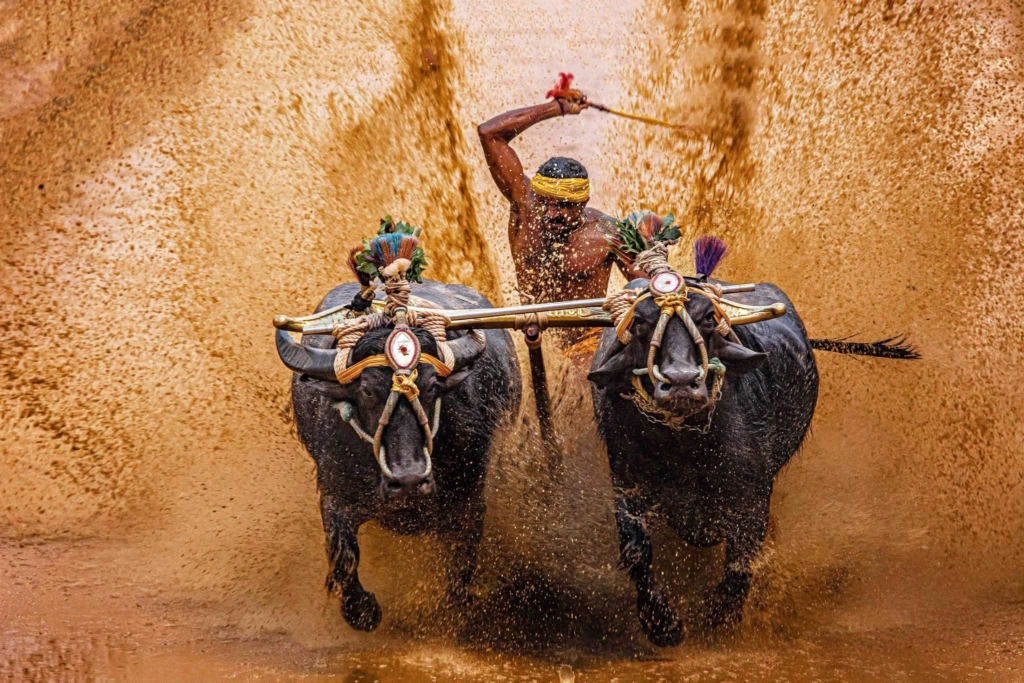
To every aspiring artist out there, I have one question: What is your purpose? Are you working for likes, or are you working to create a document of history? Photography is a powerful tool. Use it to tell a story that your eyes have seen long before the lens ever did.”
- Vinod Kumar Peta