Medaram, Telangana — Once every two years, lakhs of devotees travel to Medaram village in Telangana’s Mulugu district for the Sammakka and Saralamma Jatara, recognised as Telangana’s largest tribal festival rooted in forest traditions and family customs.
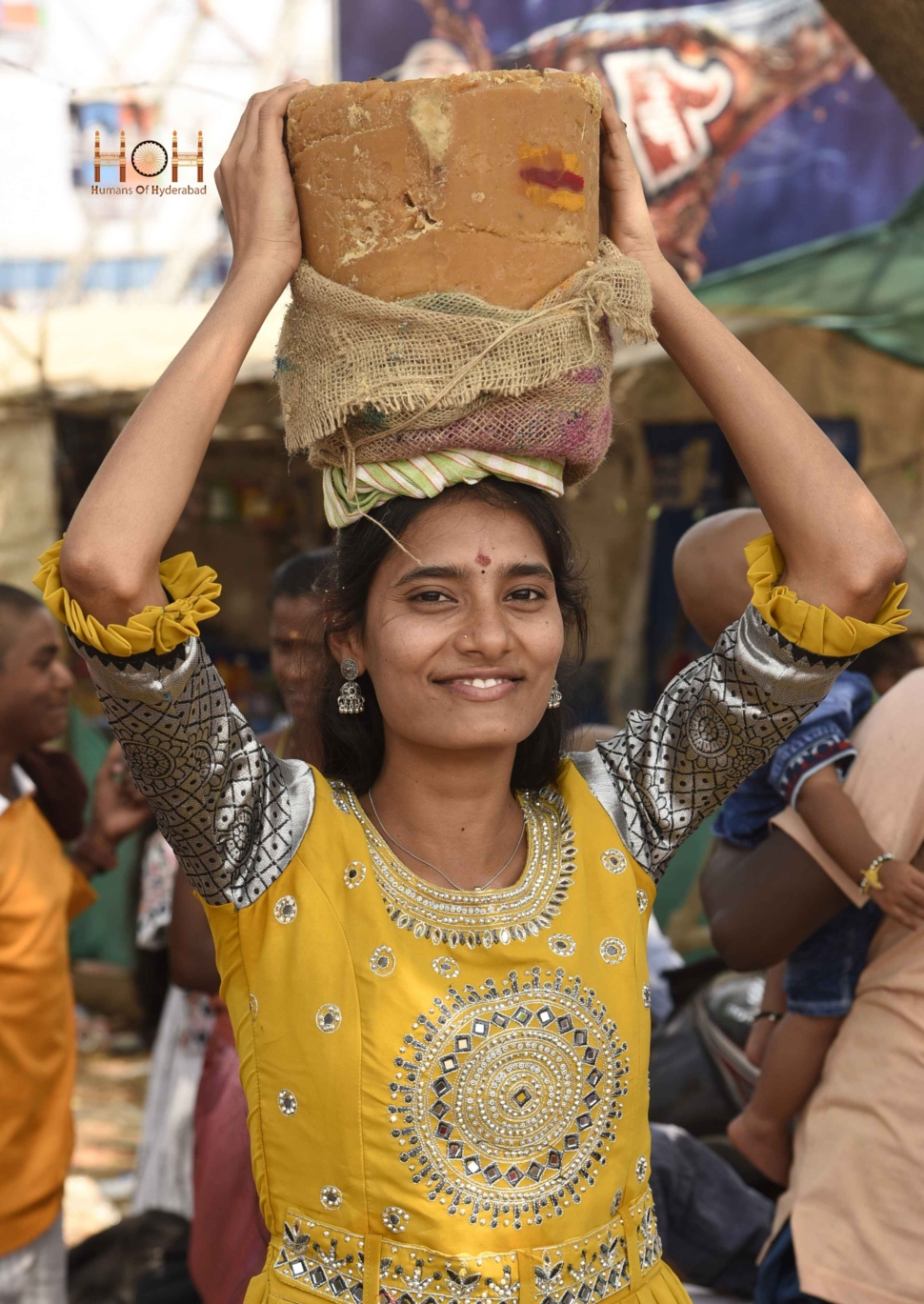
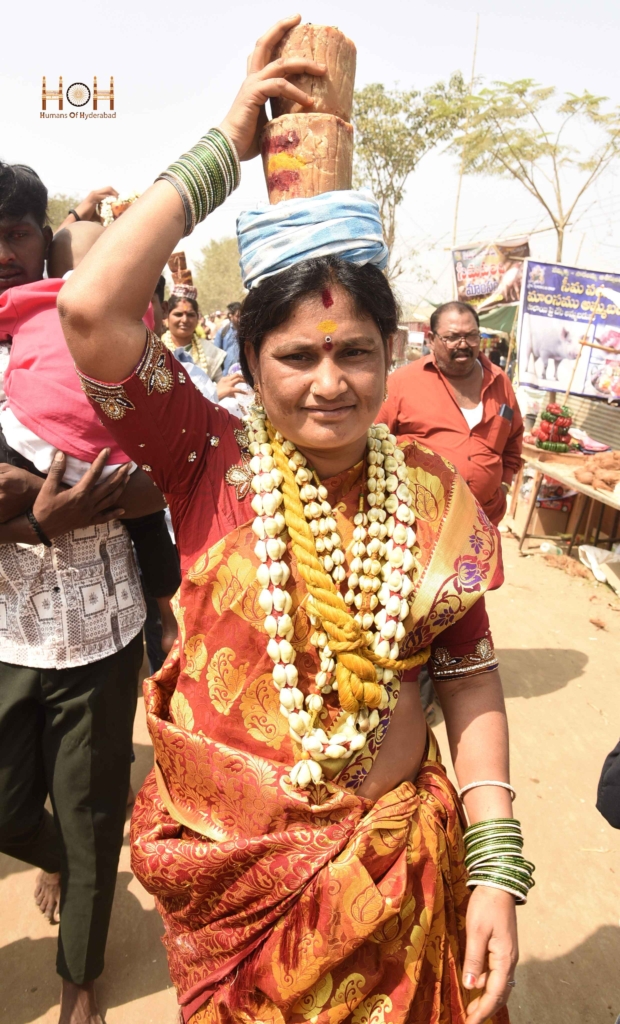
“We have been coming to Medaram for the Sammakka and Saralamma Jatara right from our childhood,” said one devotee. “We offer jaggery—something that comes from our land. Some of us take a vow and offer jaggery equal to our body weight, praying for health, strength, or peace at home. The jaggery is wrapped in cloth and carried on the head. People walk at their own pace until they reach the gaddelu, the sacred spot where offerings are placed.”
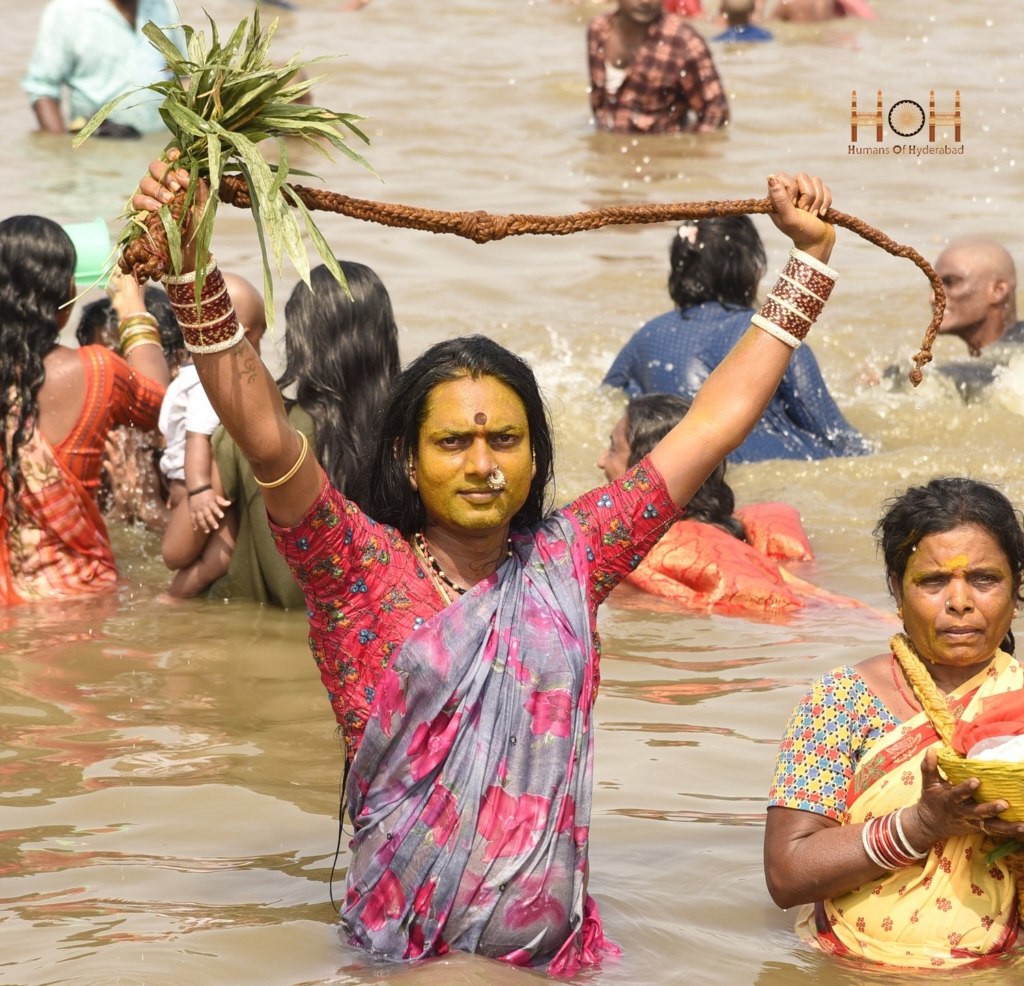
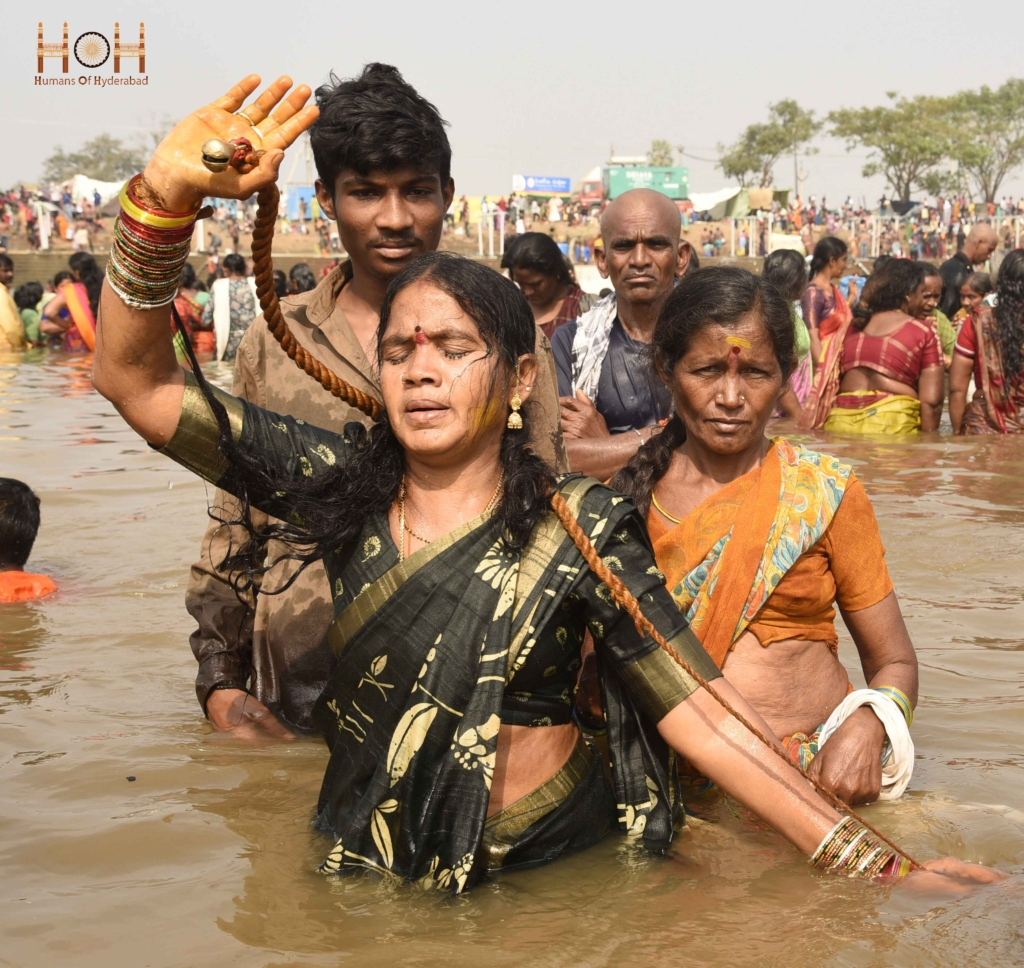
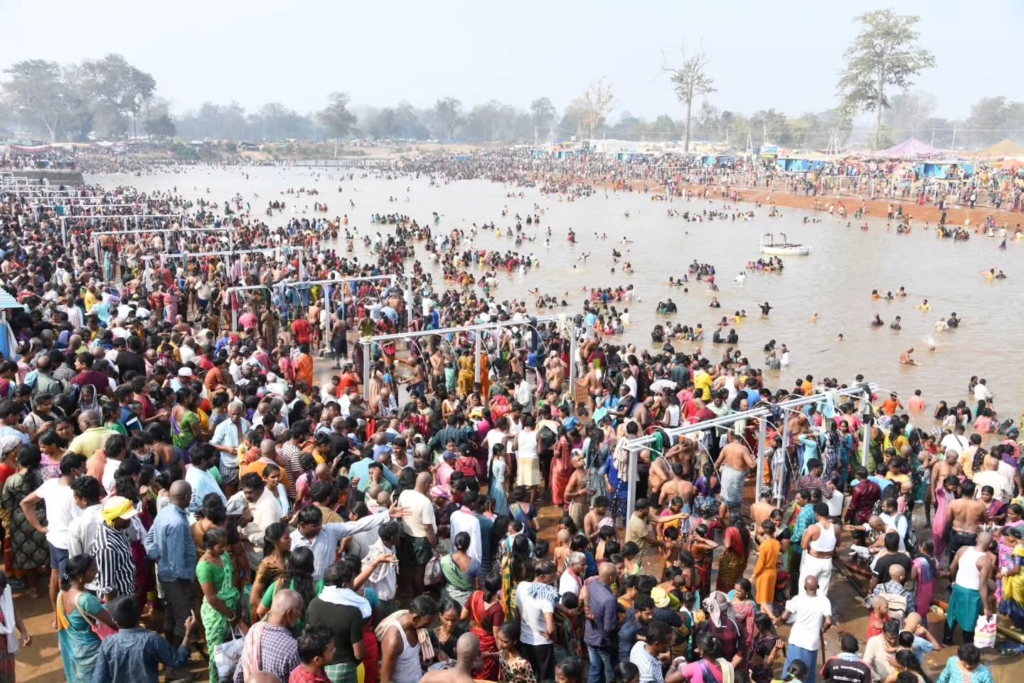
Devotees bathe in the Jampanna Vagu. “For us, it feels like the final step before the offering is complete,” said another devotee.
The story of Medaram belongs to the forests and the people. According to Koya tribal oral traditions, Sammakka and Saralamma stood against injustice when forest communities were forced to pay heavy taxes. These communities depended on the forest for survival. Sammakka chose to resist, along with her family and community. What followed lives on through belief and stories passed down over generations.
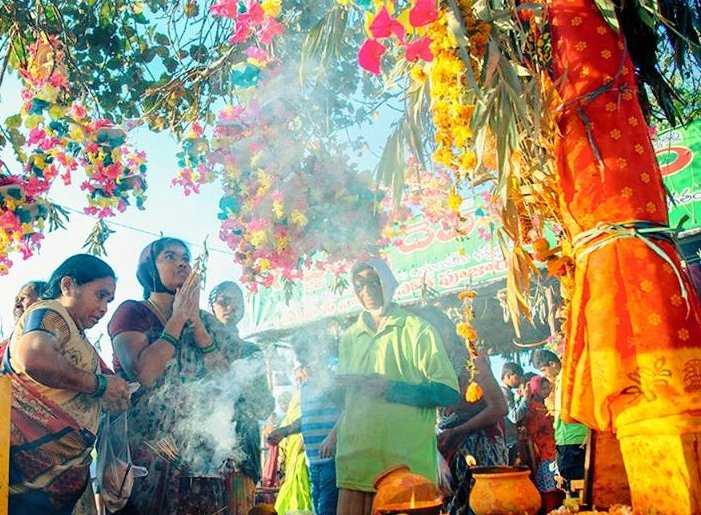
Unlike many religious gatherings, there are no idols at Medaram. Symbols brought from the forest are worshipped, following tribal practices observed for generations. “That itself tells us how closely this Jatara is tied to the land,” said a devotee.
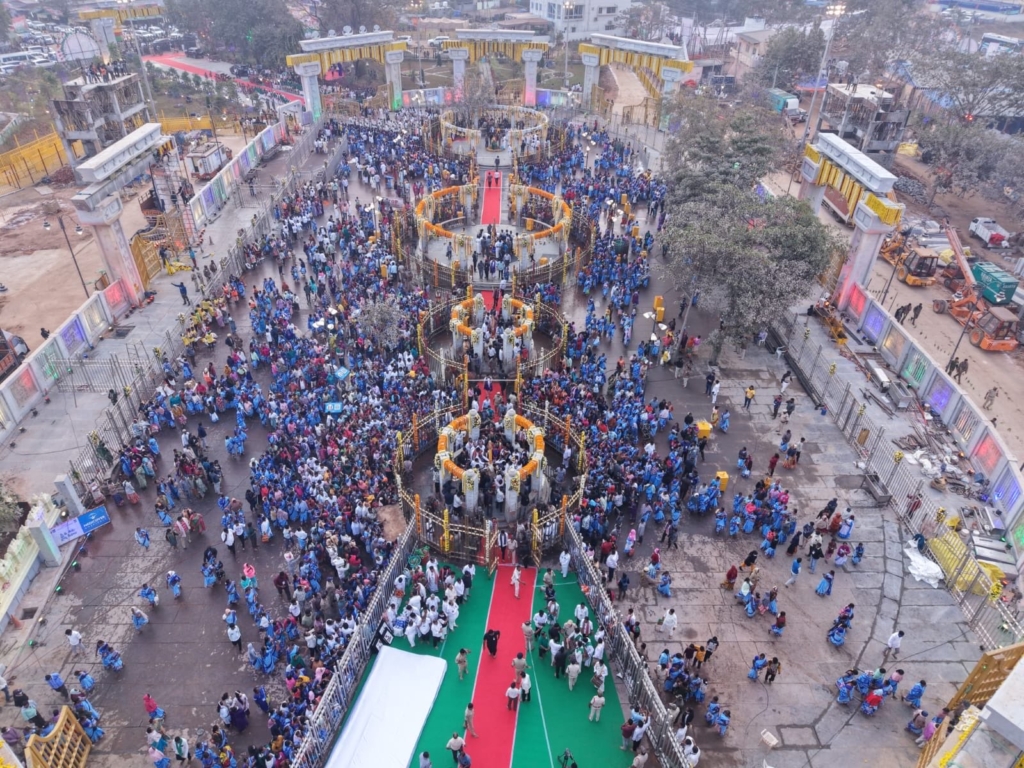
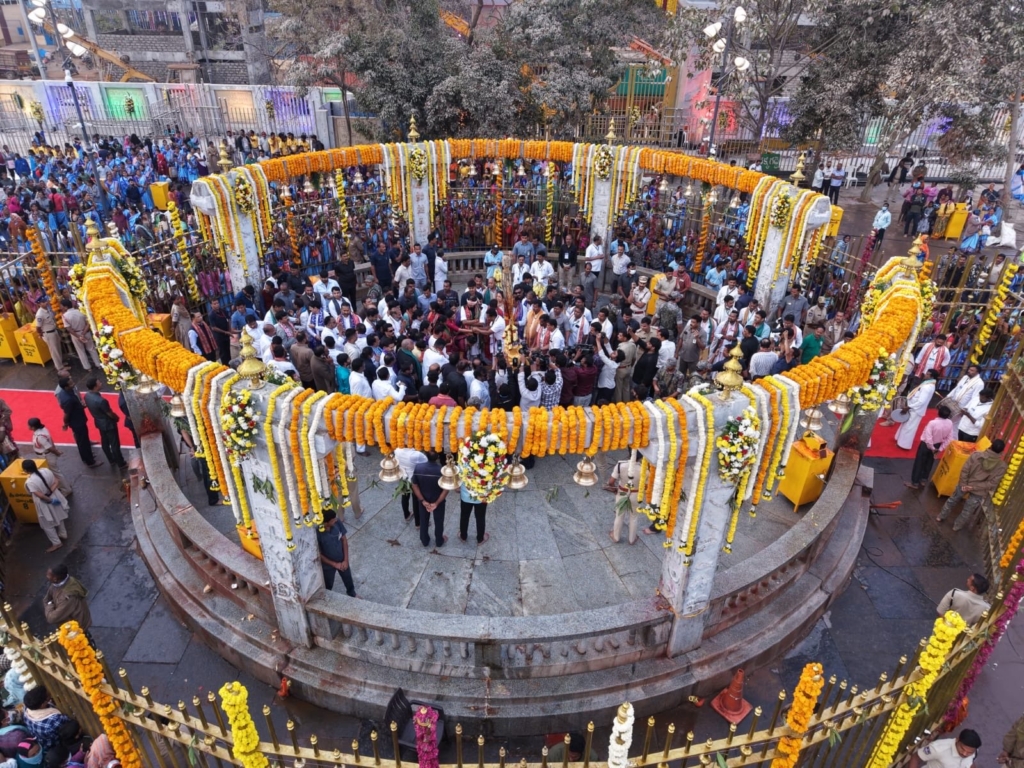
This year, with more people coming in, arrangements have improved—roads, drinking water, medical camps, sanitation, transport, and crowd control. These things make a real difference, especially for elders, children, and those who walk long distances to keep their vows.
“There are many stories about Medaram, told in different ways,” said a devotee. “But at its core, the Sammakka Saralamma Jatara reminds us about nature, about people, and about standing by each other. Seeing so many people come from different places, I feel this tradition deserves to be protected and carried forward, just as it has been.”
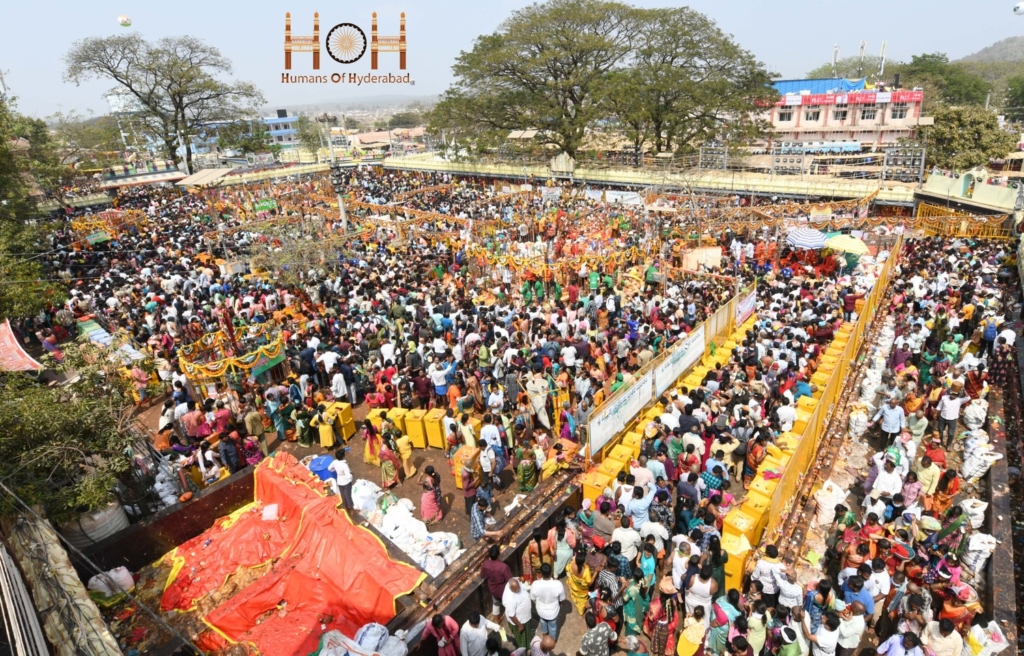
There are many stories connected to Medaram, told in different ways. But at its heart, like most of our festivals, it’s about nature and the well-being of each other. Over the years, Medaram has gone far beyond our region. Today crores of devotees come here, even from outside Telangana and neighbouring states of India. Seeing that makes me feel this tradition must be protected and carried forward, just the way it has been.”