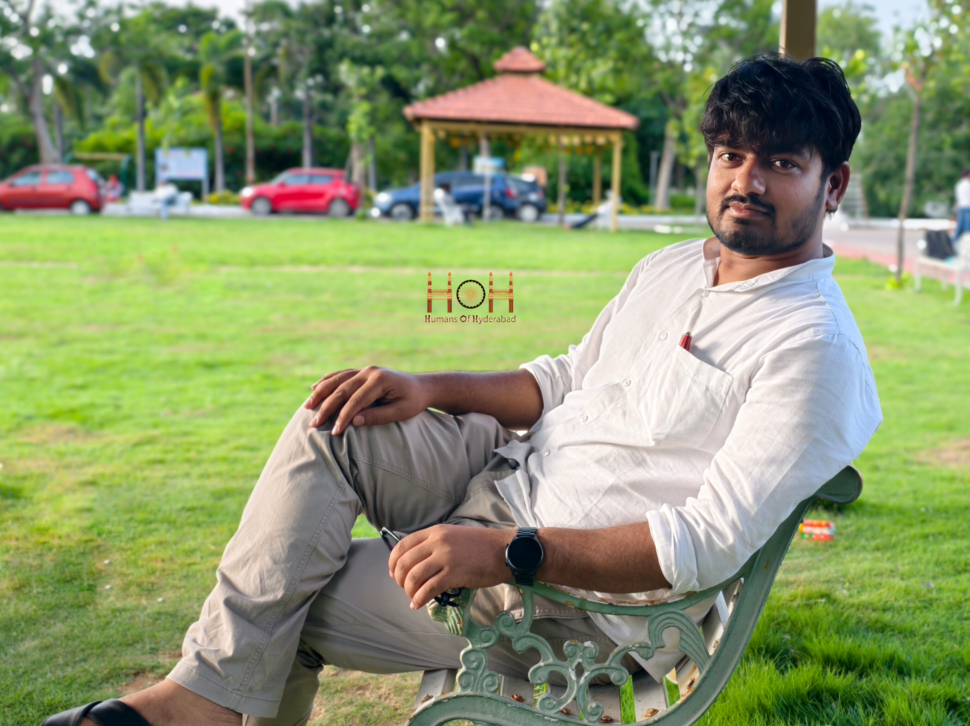
“Growing up in Warangal, I was surrounded by majestic stone gateways, weathered fortresses, and ancient structures. People proudly called it the land of the Kakatiyas, but nobody ever stopped to tell me what those stones actually meant.
My name is Arvind Arya. After completing my Intermediate exams, I spent the summer visiting local heritage sites. Walking through the remains of Warangal Fort, I wondered how a glorious kingdom that once ruled South India was reduced to scattered rocks. When I asked locals for answers, everyone shared regional folklore or legend. I wanted documented facts. So I went looking for them.
I visited bookshop after bookshop, including Warangal’s famous Zubair Book Stall, hoping to find recorded history on the Kakatiya dynasty. I couldn’t find a single comprehensive book. It was jarring. We lived amid centuries of monumental heritage, yet virtually nothing was accessible for ordinary citizens to read.
While studying journalism at Kakatiya University Arts College, my department head pointed me toward the Archaeology Department library. Stepping into that room changed everything. Shelves were packed with official publications, excavation reports, and deciphered temple inscriptions. Answers to the questions I had carried for years were sitting right there in print.
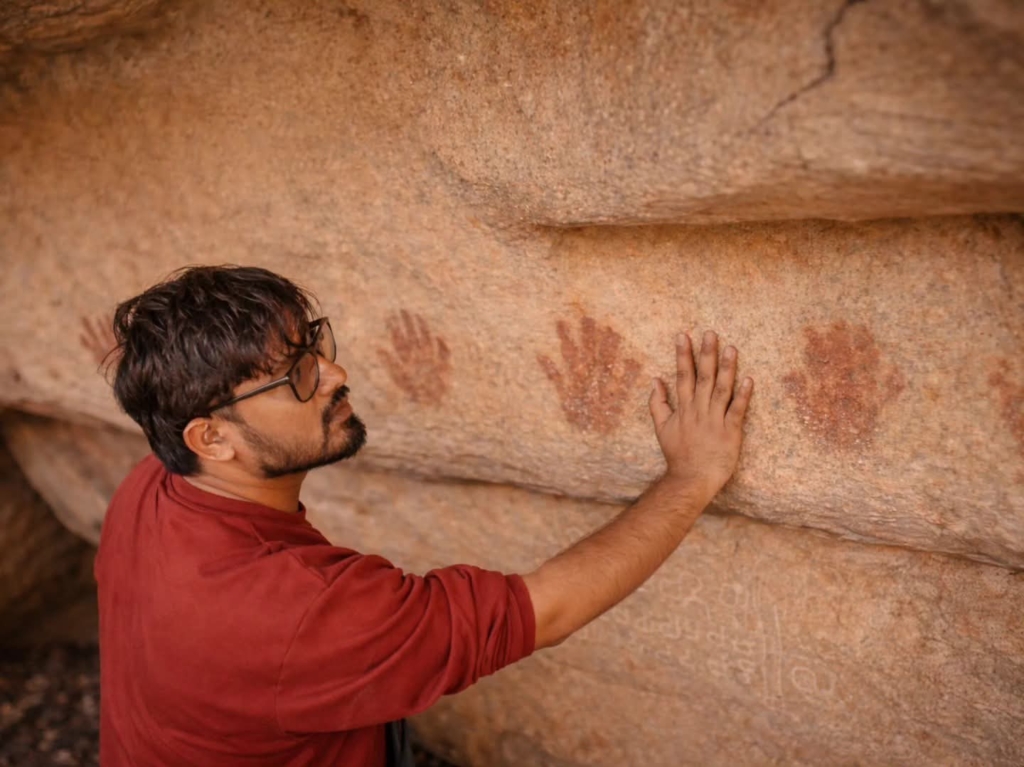
For the first time, I realized Telangana wasn’t lacking history; it was overflowing with it. The problem was that these scholarly accounts never reached the public. The more I read, the more I traveled. Every village held a forgotten monument, an ancient rock-cut inscription, or megalithic burials quietly standing against time. Many were completely unprotected, and some were entirely unknown outside their immediate hamlets.
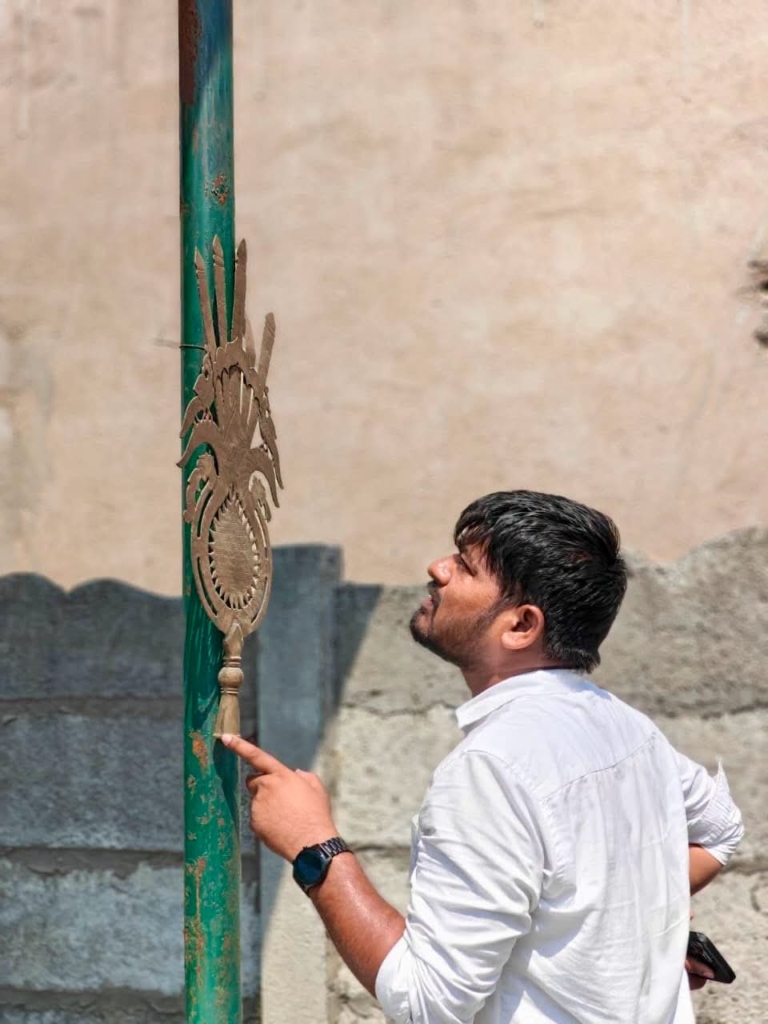
What began as childhood curiosity slowly turned into a lifelong responsibility to tell their stories.
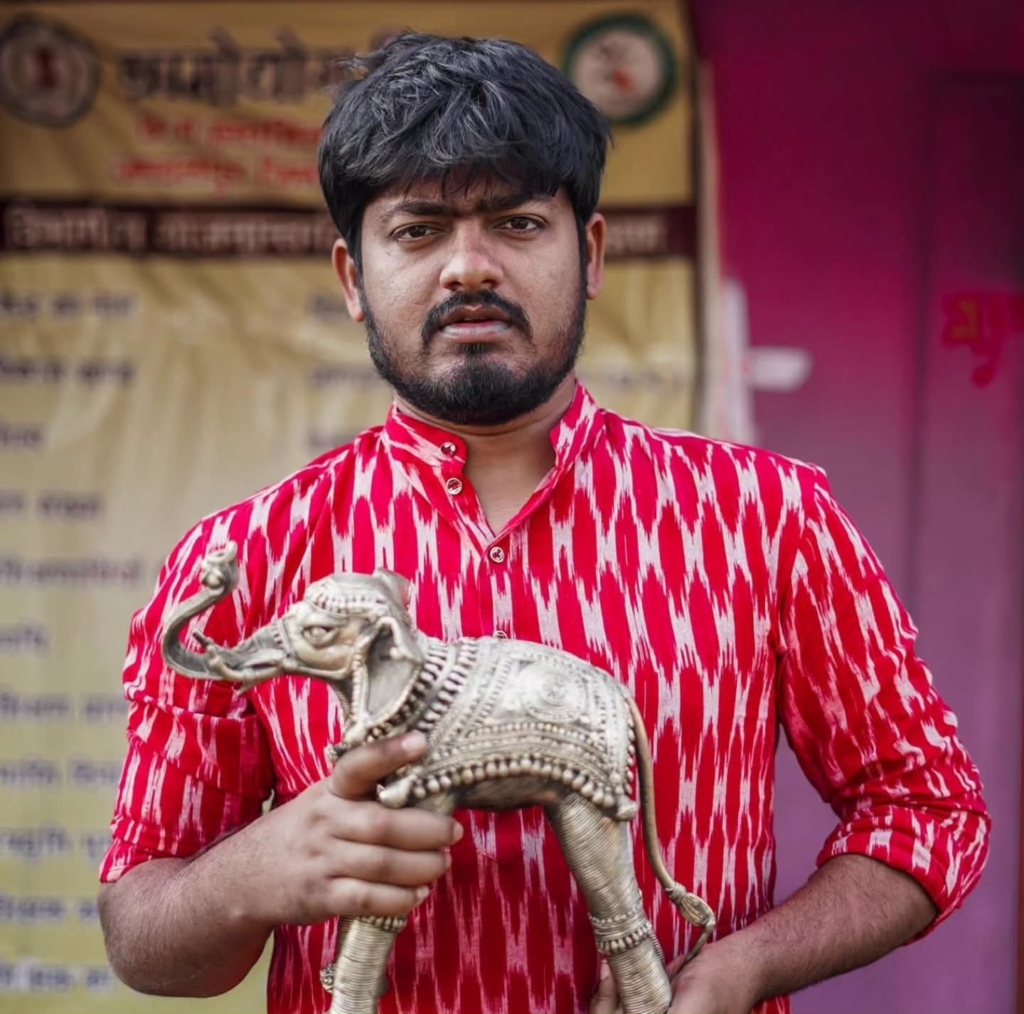
Today, I work as an Assistant Archaeologist with the State Archaeology Department, researching across Telangana, Chhattisgarh, Odisha, and Andhra Pradesh. Heritage spans all cultures; my work covers over 1,750 sites, from Buddhist structures, Jain relief art, Shaivite heritage, and historic Muslim burials to megalithic sites like Damaravai with its 145 dolmens.
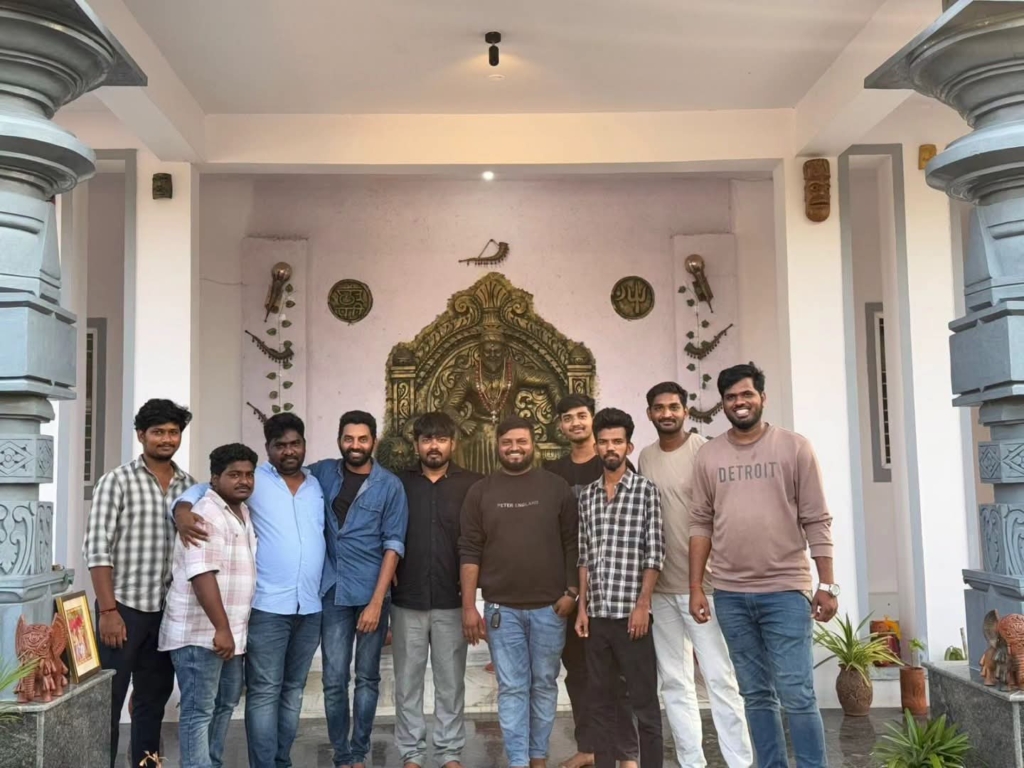
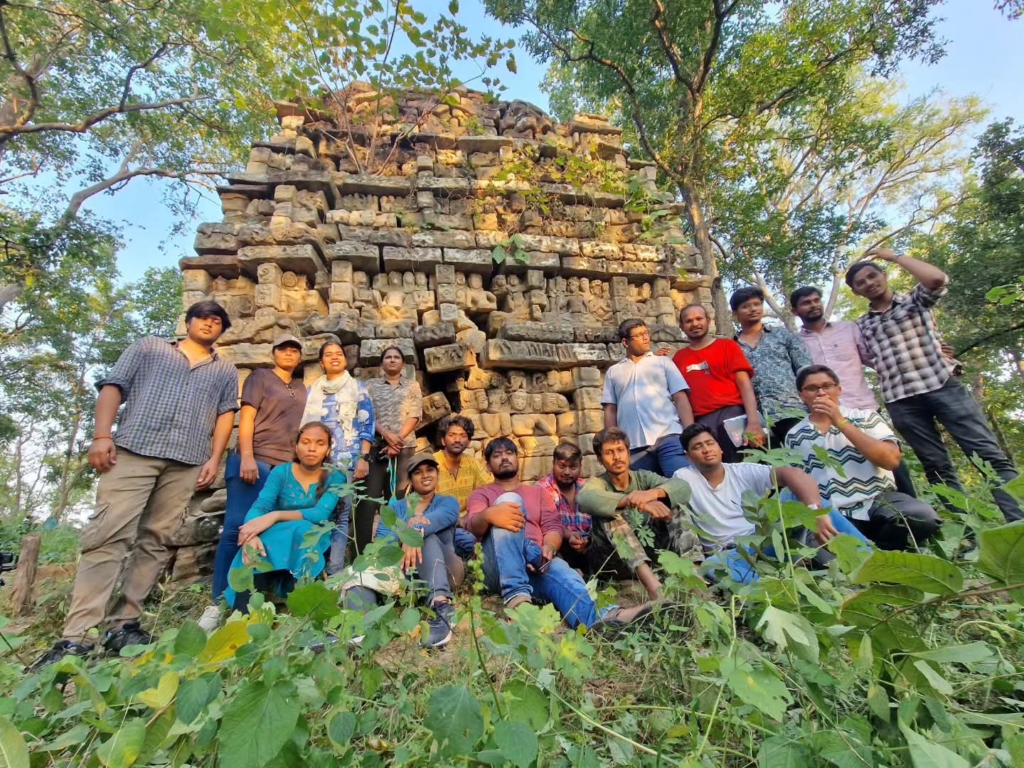
In 2019, I founded TORCH (Team of Research on Culture and Heritage). We are now 140+ volunteers documenting unprotected sites like Devunigutta, deciphering inscriptions, cleaning neglected monuments via Project Swachh Smarak, and digitally restoring broken Kakatiya sculptures through Project Punarjeevam.
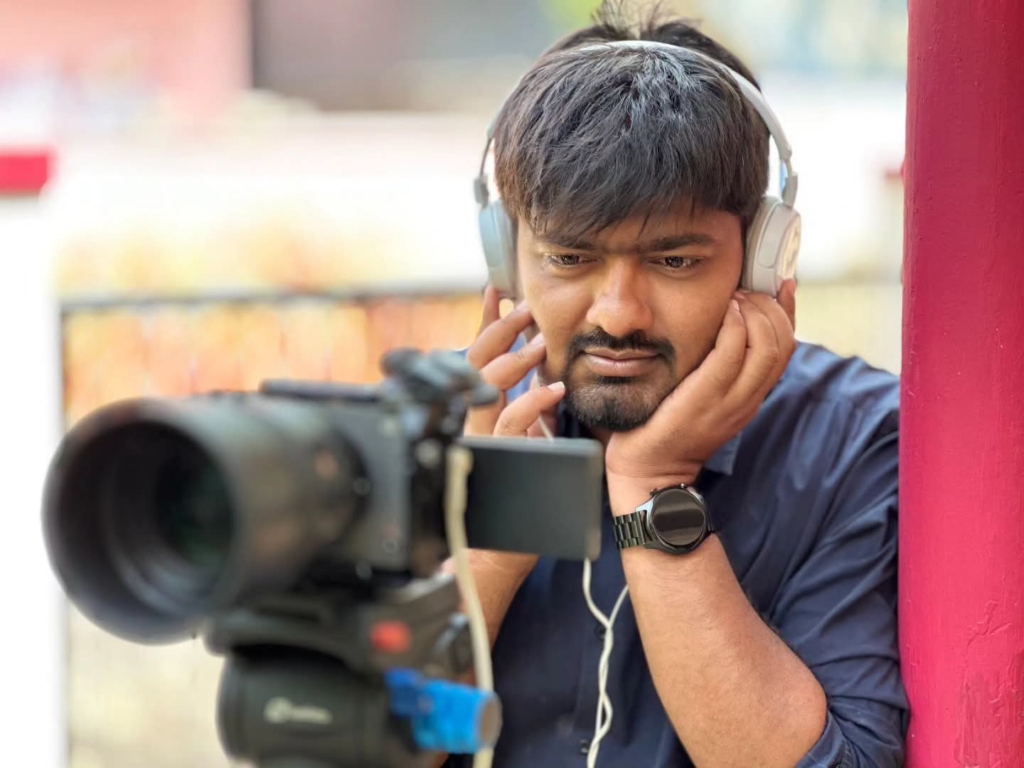
To share heritage publicly, I write newspaper column articles, publish research booklets, and run our YouTube channel, Untold Telangana. In my free time, I organize reforestation drives with Vana Seva, coordinate emergency blood donations through a 3,000-volunteer network, and produce commercial documentaries to self-fund our field work.
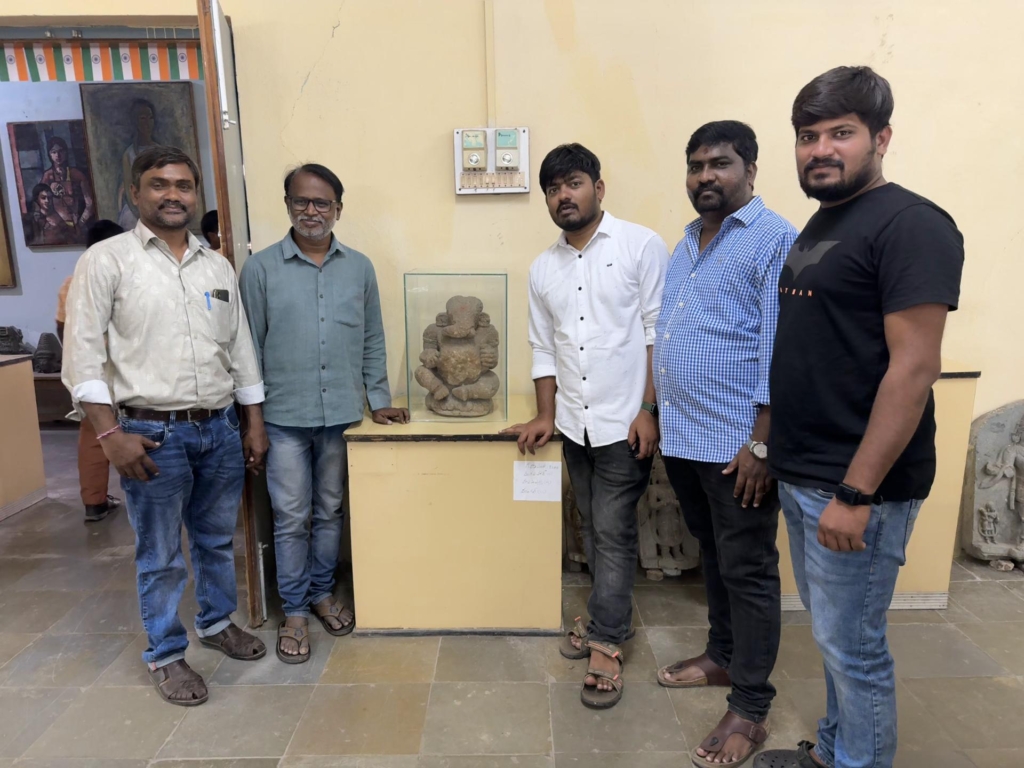
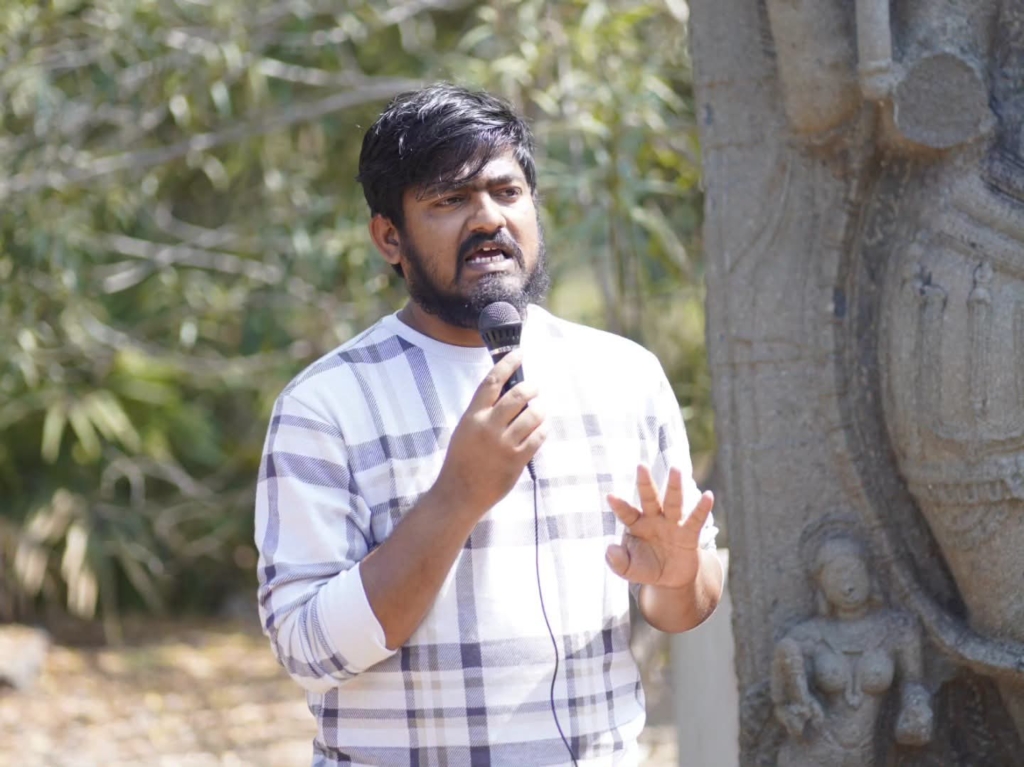
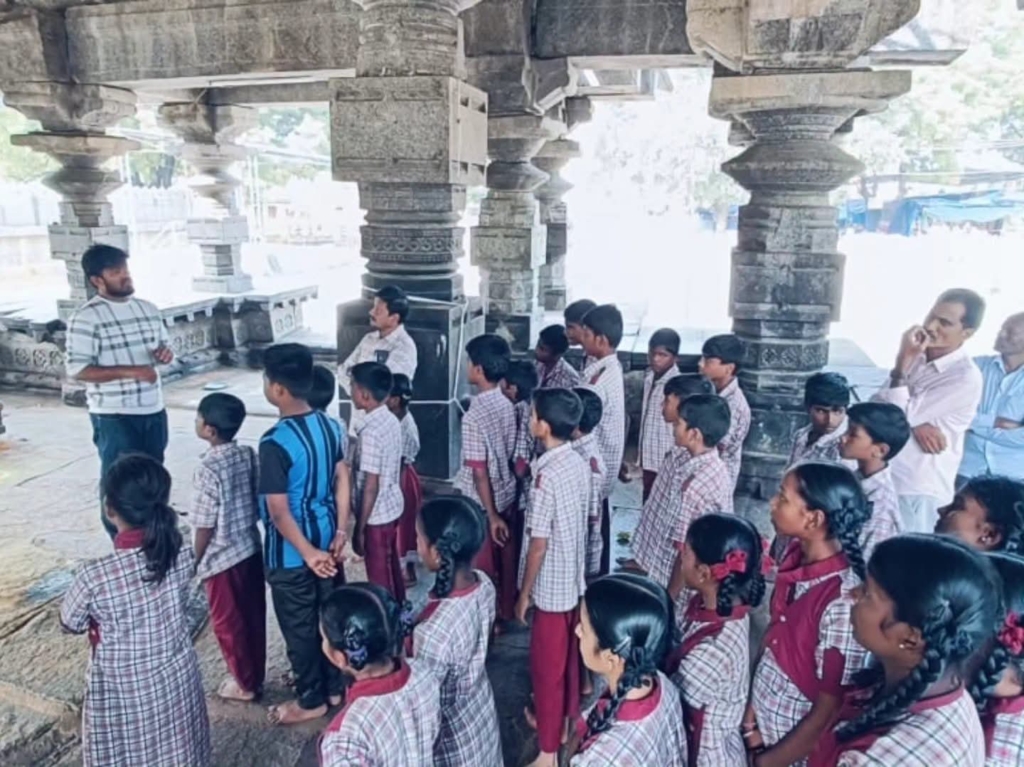
We operate without external funding, and fieldwork is raw survival. A trained snake catcher, I have trekked 32 km in a day, fallen off 30-foot cliffs, faced sloth bears, and lost my way in tiger territory. In Pratapagiri, severe dehydration caused me to collapse at the hill base, waking up hours later in a hospital bed. These challenges occur, but I never lose my passion.
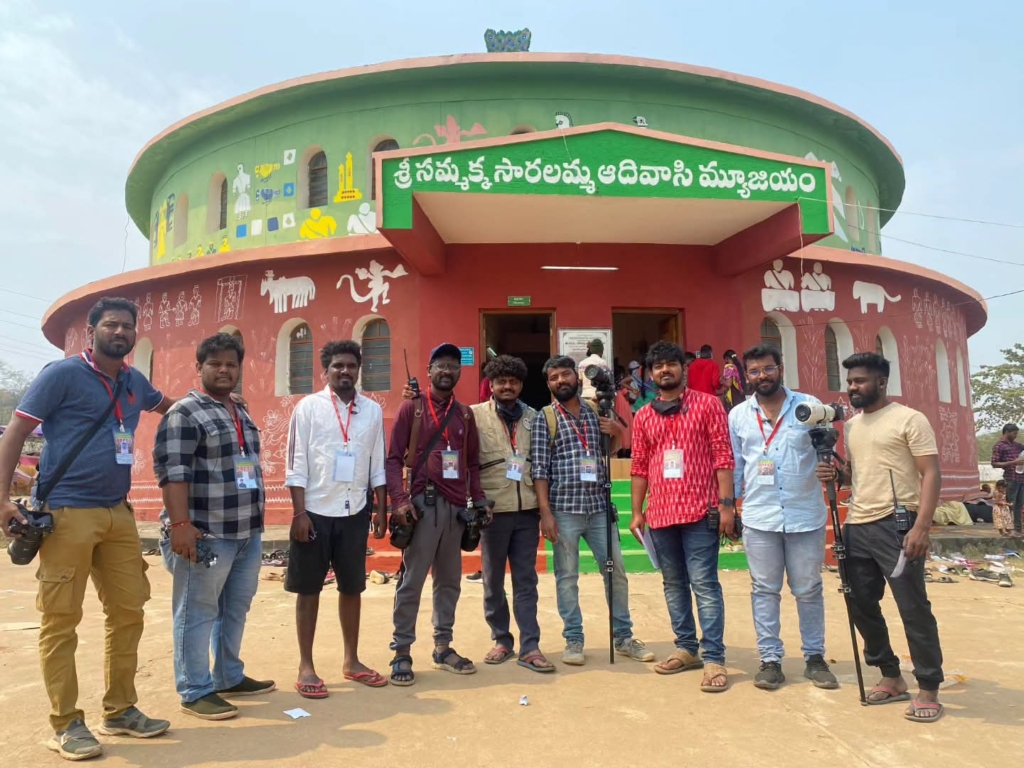
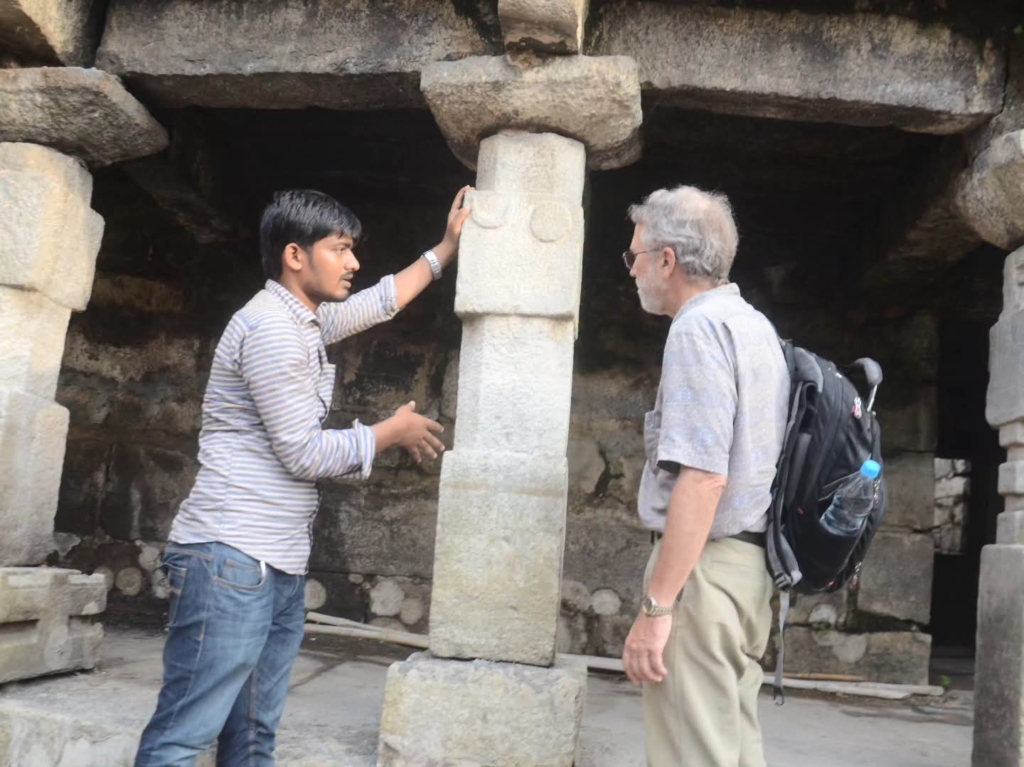
I never claim to ‘discover’ sites. Pioneers like P.V. Parabrahma Sastry garu mapped these places decades ago on bicycles carrying 15 kg of stamping gear, alongside other scholars. My role is to revisit those records using modern tools and share them through articles, videos, and college lectures.
History isn’t just about stones; it’s about memory. If we lose them, we lose a part of ourselves.”
— Arvind Arya