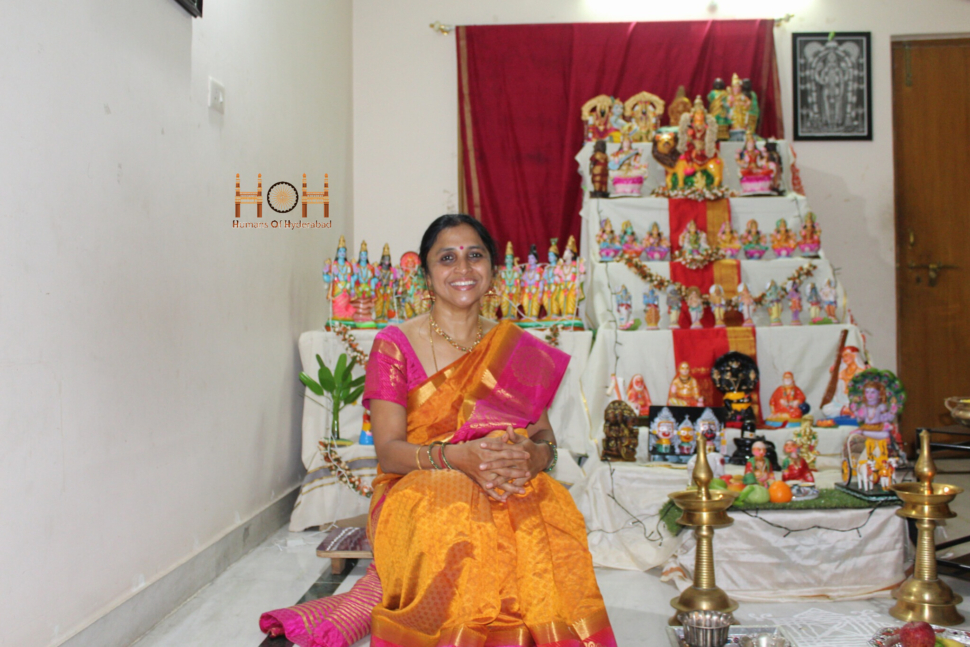
“In Tamil households, Navaratri is a time for devotion and family gatherings. For nine days, families arrange dolls on steps in a tradition called Golu, celebrating Goddess Durga, Lakshmi and Saraswathi.
I still remember how we looked forward to Navaratri during our Dussehra holidays. With our quarterly exams over, we would get busy preparing for the celebrations, building Golu steps with whatever we could find at home. Without ready-made stands, we used drums, buckets, old cartons and trunk suitcases, covering them with my father’s or grandfather’s veshti before arranging the dolls.
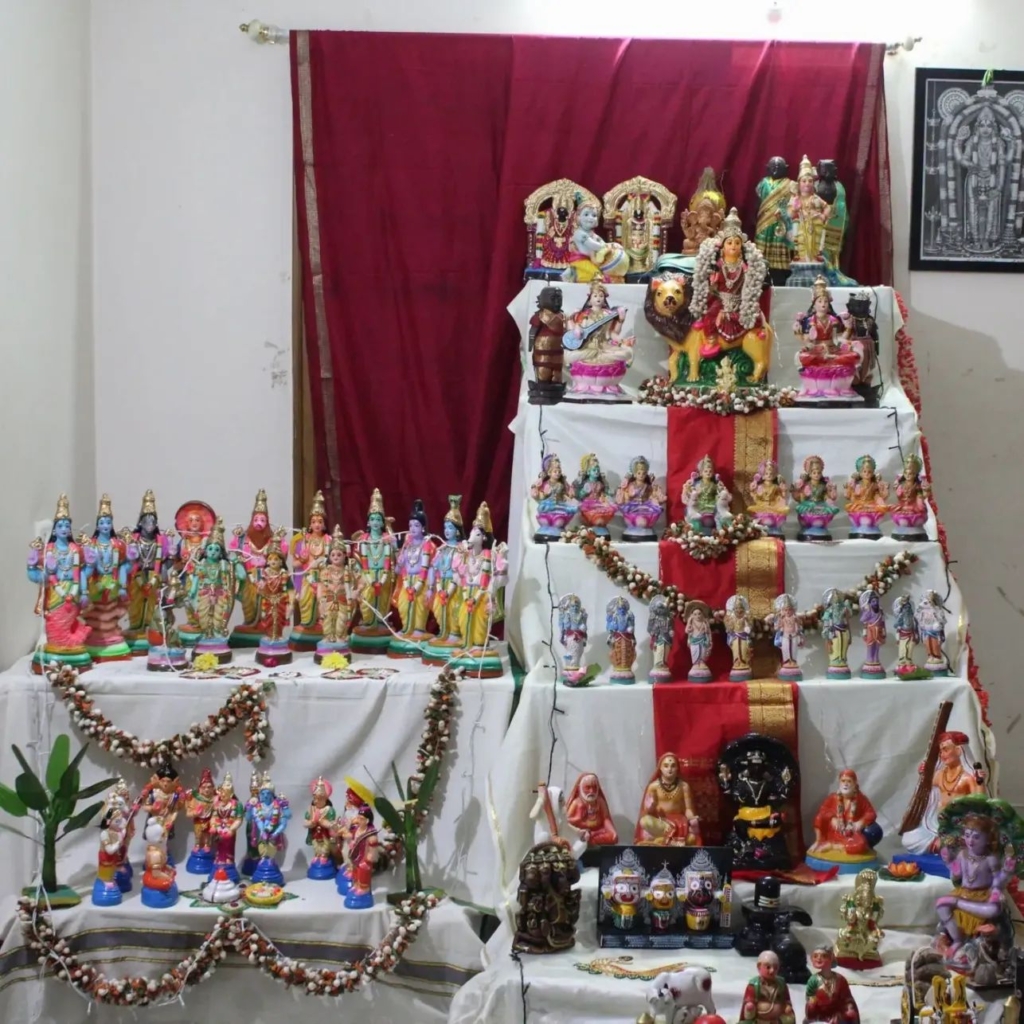
Our painted clay dolls were the main attraction of the whole display. We had sets depicting the Dasaavatharam, Ashtalakshmi and Siva-Parvathi, along with wooden Marapachi dolls. We would even create a little park with toy cricketers and miniature houses, using sprouted mustard seeds or ragi to add greenery.
Every evening, children from the neighbourhood visited homes, sang songs in front of the Golu and received sundal. On Saraswathi Pooja, we placed our books, pens and musical instruments before the Goddess. The following day, during Punarpooja, we read at least a page from every book as a mark of respect for learning.
Golu is also a way of telling stories through dolls, depicting scenes from the Ramayana, Mahabharata and everyday life. Women invite guests home, exchange haldi-kumkum and small gifts, while songs bring everyone together.
In our family, the tradition continues with the same enthusiasm. We now use a steel stand for the steps. The first row holds the Kalasam, Ganesha and larger idols, followed by the Dasaavatharam, Ashtalakshmi, Ramar Pattabishekam, revered Gurus, animals and birds. We also display the Chettiyar and Chettichi dolls, depicting a couple selling grains and vegetables.
The way we arrange Golu may have changed over the years, but bringing out the dolls and setting them up together remains a joy. Every Navaratri, the tradition brings back childhood memories and keeps our family connected to its roots.”