
“When I think of my childhood, I remember a greener Hyderabad with healthier lakes, cleaner roads, and neighbourhoods where conserving nature was simply a way of life. Growing up across Sanjeeva Reddy Nagar, Srinagar Colony, and Banjara Hills Road No. 2, some of my happiest memories are of Ganesh Chaturthi celebrations, Holi rain dances, Dandiya nights, family visits to Numaish, and the annual horticulture exhibitions. Looking back, I realise those memories shaped the way I see the world today.
Curiosity has always been my constant companion. I loved volunteering for leadership roles, riding my bike, exploring new places, and asking questions. Growing up as a girl, however, often meant my choices were judged more closely. While my family instilled in me the values of education, honesty, and respect for nature, society expected girls to choose the safer path. I dreamed differently. I wanted to build something meaningful.
Life soon tested that resolve. Our family went through a devastating financial and emotional crisis, and just as we were rebuilding, my sister was diagnosed with a terminal illness. Watching her fight, survive, and recover completely changed the way I understood resilience. It taught me that circumstances don’t define us; our response to them does. I also drew immense strength from my grandparents. My maternal grandmother, who is 98 years old today, filled my childhood with stories of pre-Independence India, while my grandparents constantly reminded us that our freedom exists because countless people sacrificed for generations they would never meet. They left me with a belief that has guided my life ever since: every generation has a responsibility to leave the world better than it inherited.

At 23, my husband and I moved to London for work. I admired the city’s infrastructure, but I deeply missed the warmth of India, our close-knit families and children playing freely outdoors. Living abroad gave me perspective. I realised that true development isn’t measured only by better roads, but by communities that care for one another and for the environment they share. Becoming a mother strengthened that conviction. India didn’t need people admiring good systems from afar. It needed people willing to come home and help build them.
Returning to Hyderabad, I turned my attention to education, believing learning should prepare children for life, not just examinations. That belief became the foundation of Fountainhead Global School, centred on compassion, curiosity, and real-world problem-solving. Years later, being named among the Top 50 finalists for the Global Teacher Prize affirmed my belief that education rooted in empathy and action can truly transform lives.
But awareness alone wasn’t enough. As I began conducting awareness sessions on water and nature conservation, people often asked me, “Which organisation do you represent?” and “What’s in it for you?” Those questions made me realise that environmental problems wouldn’t be solved through discussions inside air-conditioned rooms. They would be solved when ordinary people stepped outside and took responsibility for the places they call home. That conviction led to the birth of SWAN (Save Water and Nature).
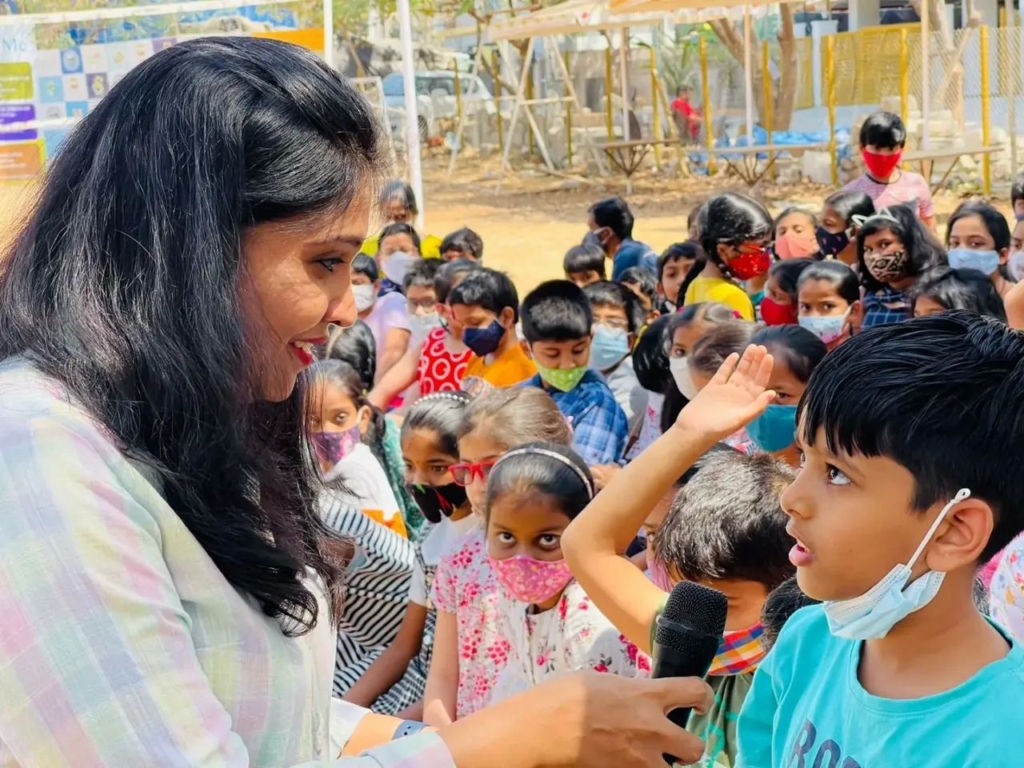
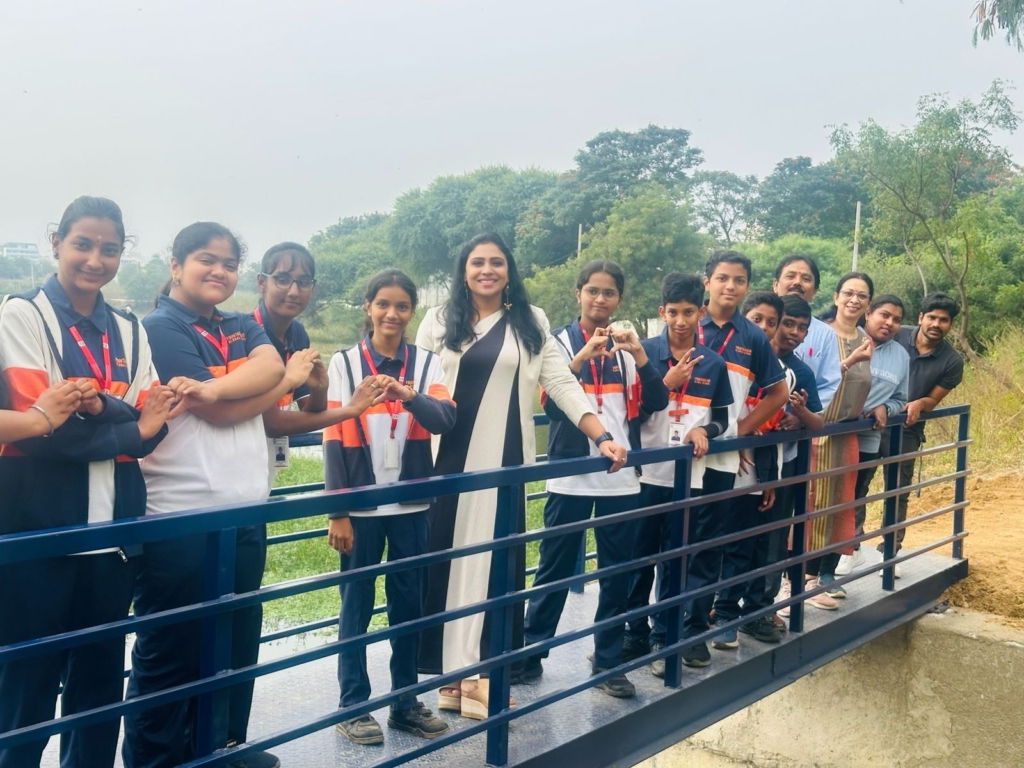
Our biggest test came at Meedi Kunta Lake. The lake was choked with waste, dissolved oxygen levels were low, and nearby communities had been battling mosquito-borne diseases. Many people saw a dead lake. I saw a classroom.
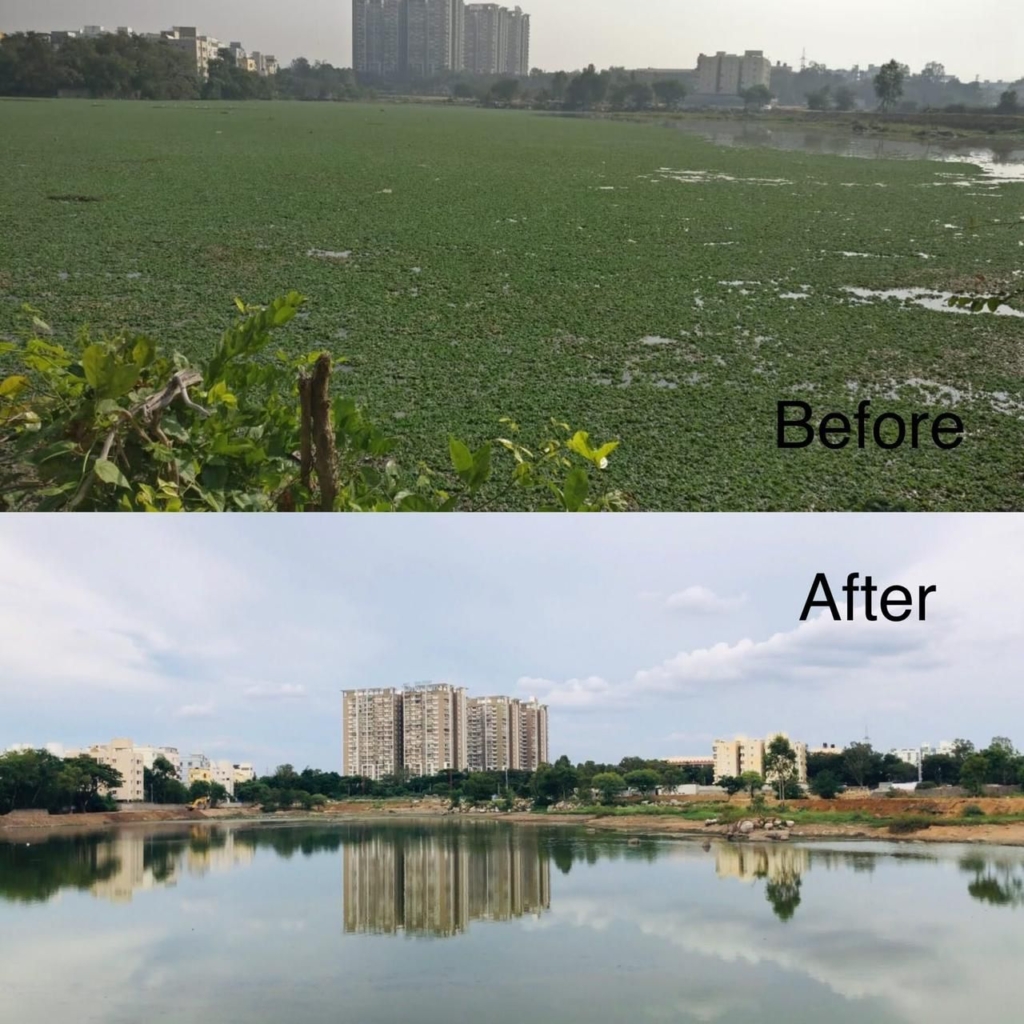
Together, my students and local residents rolled up their sleeves to test the water, remove waste, and restore the ecosystem. Today, disease rates have fallen dramatically and thousands of families have benefited. We didn’t just revive a lake. We restored a community’s belief in collective action.
That same spirit brought us to the Narsapur Forest.
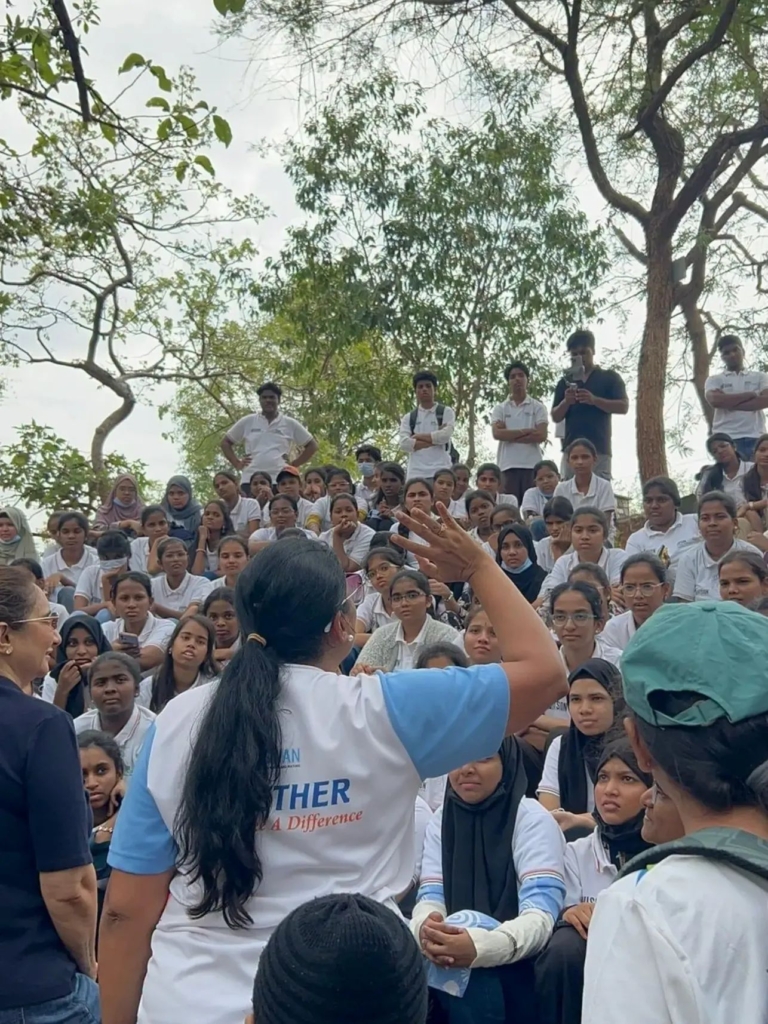
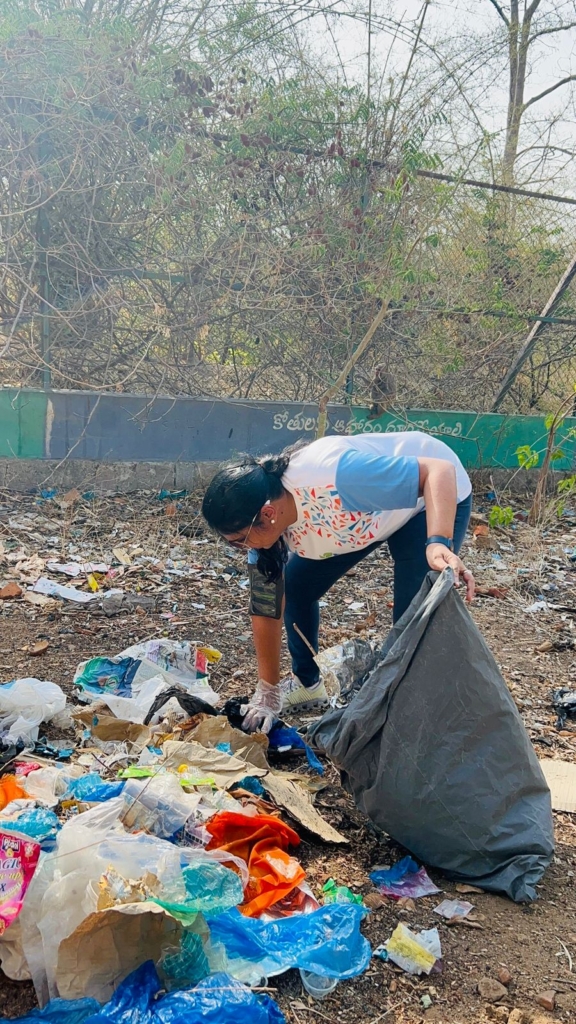
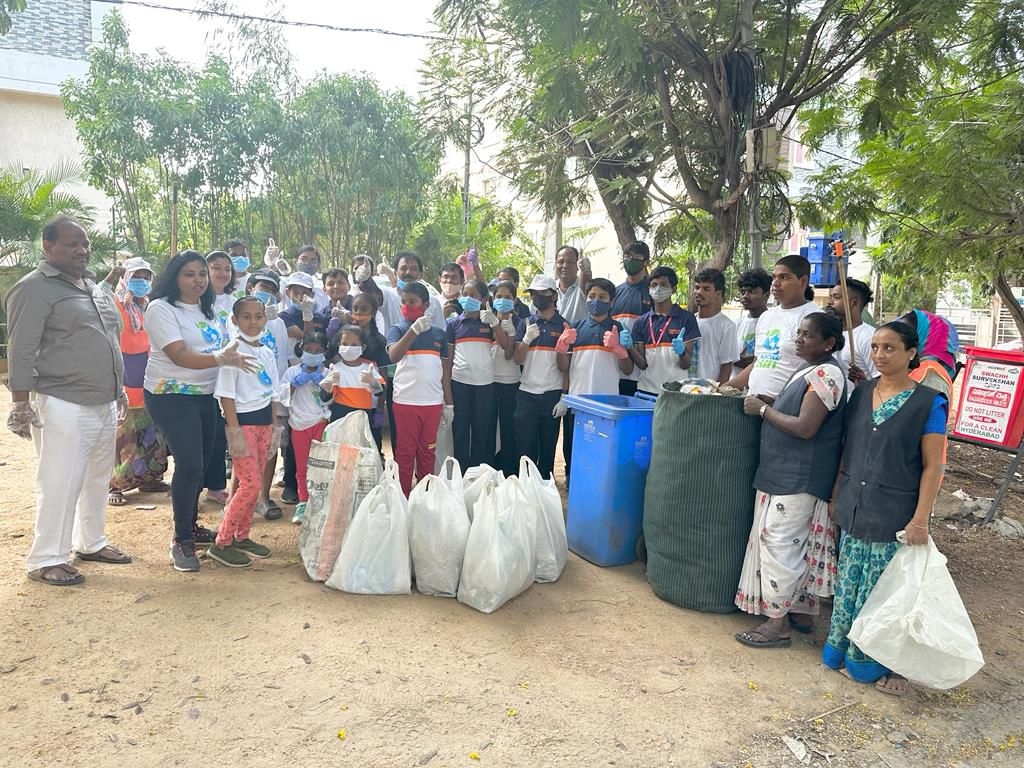
This June, on the occasion of World Environment Day, about 500 volunteers, including students from Fountainhead, teachers, parents, NGOs, professionals, and Forest Department officials, came together because they cared about the environment we leave behind. Over three weekends, we cleaned nearly 12 kilometres of forest road from Gummadidala to Narsapur, including Haritha Dwaaram. We removed tonnes of plastic, scattered thousands of native seed balls to encourage natural regeneration, and conducted street plays to promote responsible behaviour in forests.
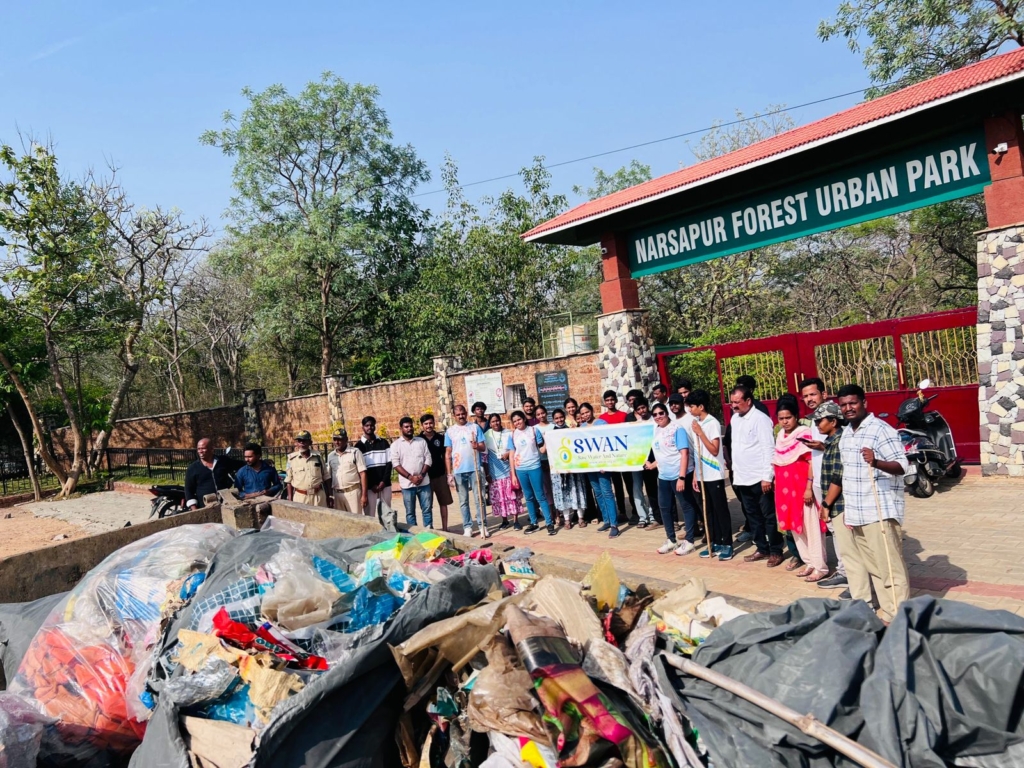
The cleanup itself was never the real goal. It was about changing behaviour. Many unknowingly contribute to the problem by feeding wild animals while travelling, believing it’s an act of kindness. Over time, animals begin depending on humans for food, and along with that food comes plastic wrappers and bottles that endanger wildlife.
Forests are not picnic spots; they are living ecosystems. Wild animals belong in the wild. Changing our behaviour is what truly protects them.
People often ask how I balance leading a school with environmental work. For me, they have never been separate worlds. Weekdays belong to education, while weekends belong to SWAN, but both share the same purpose: nurturing responsible citizens. My own children remind me every day that there is no age limit to creating change.
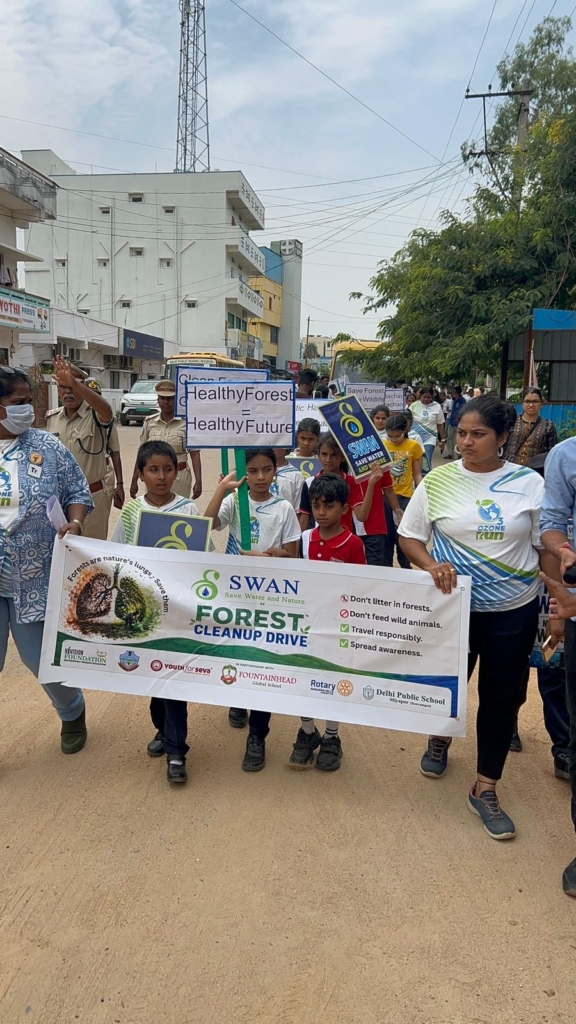
I dream of India where every lake is alive, every forest is respected, and every child grows up believing they have the power to protect the place they call home. Governments have an important role to play, but lasting change begins when ordinary citizens choose to take responsibility for the spaces they share. Twenty years from now, I don’t want people to remember my name. I want them to remember one idea: local action creates global impact. If future generations inherit cleaner lakes, thriving forests, and communities that care for them, that will be the legacy worth leaving.”
- Meghana Musunuri