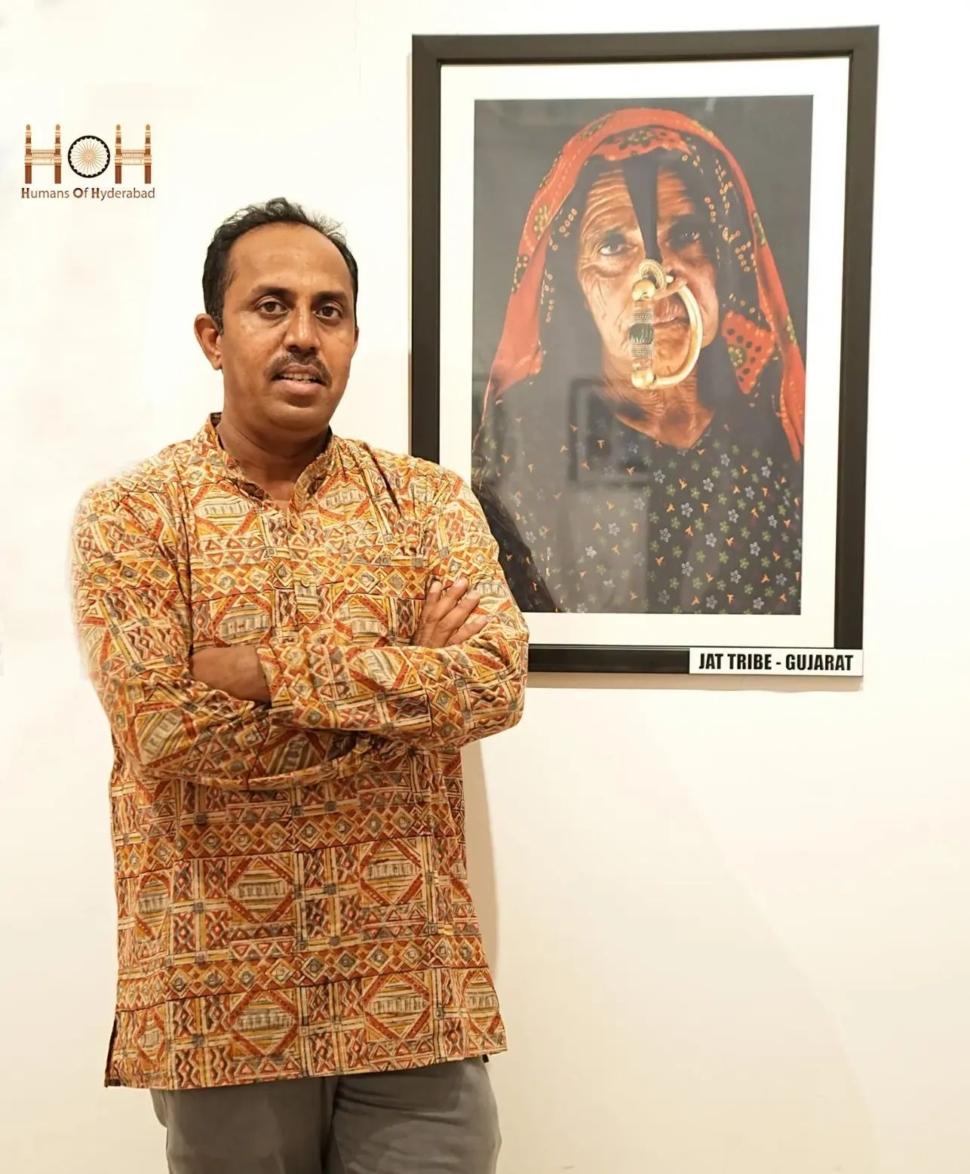
On November 15, India observes Janjatiya Gaurav Divas, marking the birth anniversary of tribal freedom fighter Birsa Munda. On this occasion, we bring you the story of Hyderabad-based documentary photographer Sathish Lal Andhekar, whose journey into documenting India’s tribal communities began with a childhood curiosity.
“I was born in Hyderabad, but spent much of my childhood with my grandparents in Yacharam, Ranga Reddy district, where I attended primary school. Those surroundings shaped my interest in people, traditions and cultures.
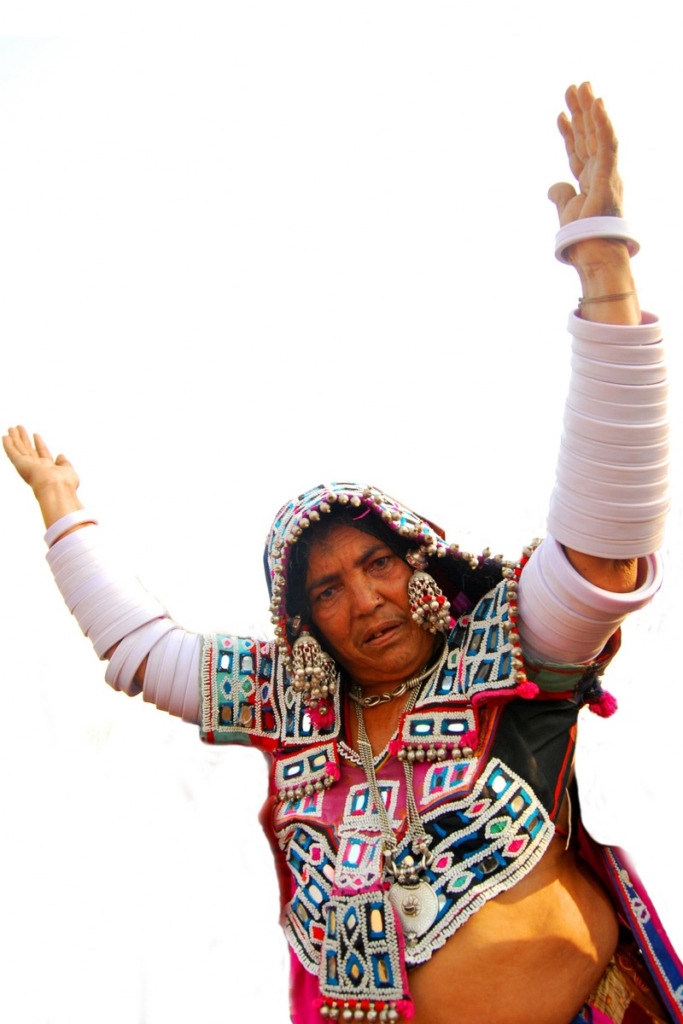
One of my earliest memories is seeing women from the Lambadi community in traditional attire adorned with coins and necklaces. I was fascinated by the ornaments and wondered about their origins, significance and the stories of the people who wore them. I am not from a tribal family, and I never imagined this curiosity would shape my life’s work.
Nobody in my family had a photography background. I began taking pictures with reel cameras during school. My father encouraged the hobby, bought me camera rolls and got my photographs printed. I loved capturing family and friends, waiting for the film to be developed and holding the prints. I still have thousands of them at home. I don’t remember one photograph that suddenly made me choose this path; it was gradual.
My first camera was a Kodak point-and-shoot film camera. I began photojournalism with a Sony Cybershot digital pocket camera, using it for over a year before buying a second-hand Nikon D60. With it, I published news articles and won photojournalism awards. Between 2001 and 2005, I also played a few cricket league matches.
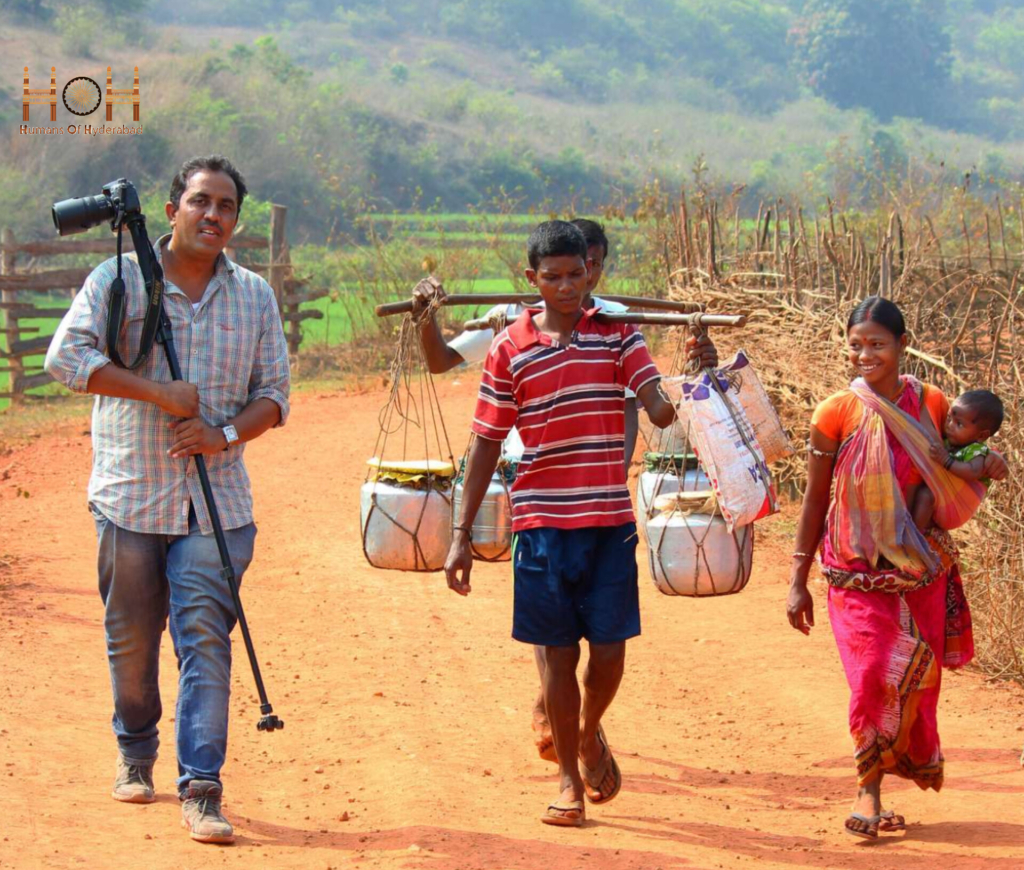
Photography gradually became more than a hobby. Working as a photojournalist for a Telugu newspaper let me observe society and document real-life situations. My serious tribal documentation began in 2010. In 2014, I travelled to Malkangiri, Odisha, to document the Bonda tribe. Meeting the community, understanding its lifestyle and witnessing its cultural identity made me realise how much of India’s tribal heritage remained undocumented. That journey changed the direction of my work.
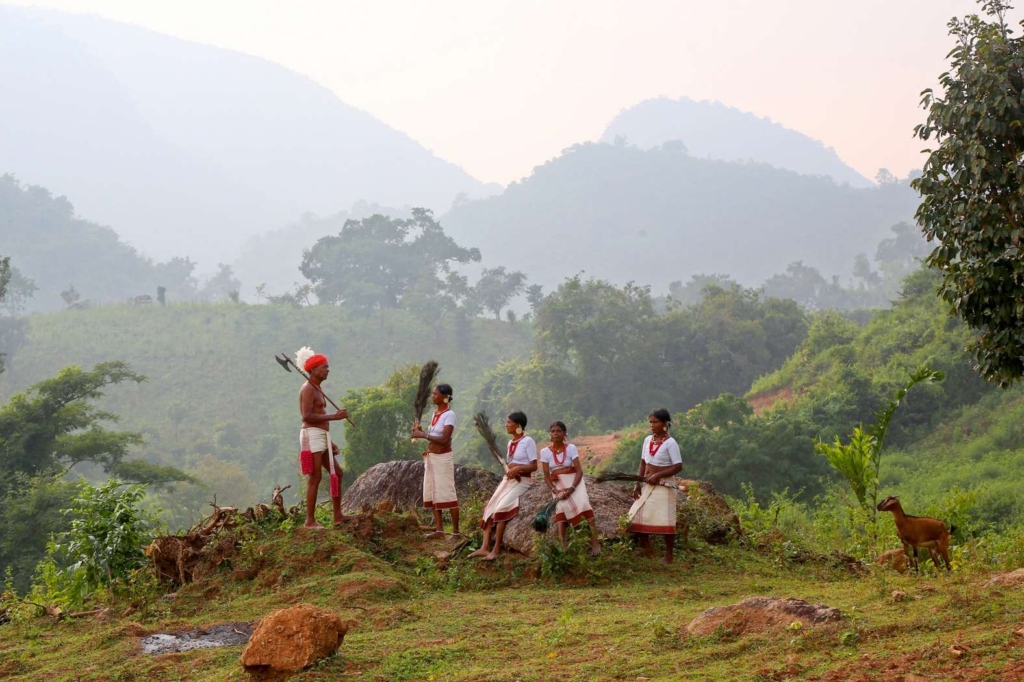
Over 15 years of fieldwork, I have documented more than 100 tribal communities across 20-plus states, travelling to remote and challenging locations. I photograph festivals, rituals, traditional ornaments, tattoos, lifestyles, beliefs and communities’ relationship with nature.
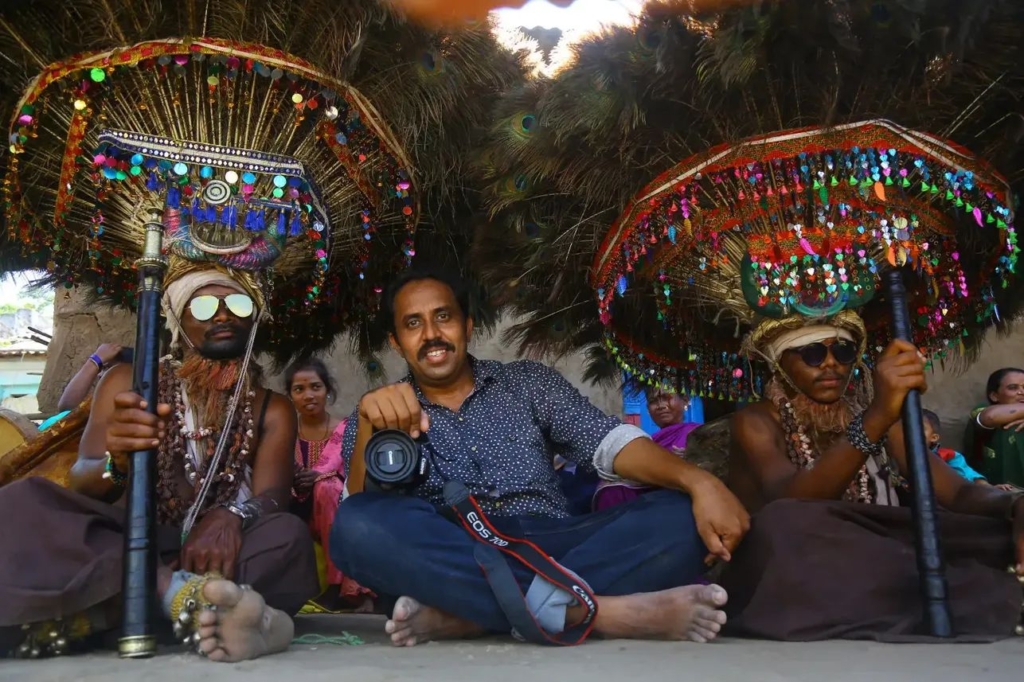
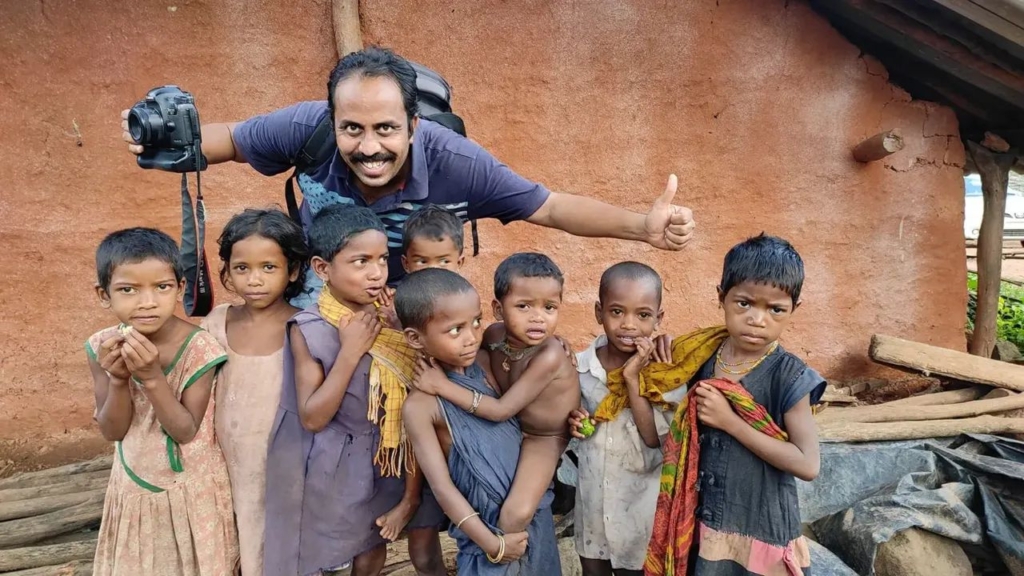
For me, photography begins with a relationship, not a camera. I spend time with people, interact with elders and learn about their traditions before taking photographs. I attend festivals, weddings and rituals, share everyday experiences and gradually become familiar with their way of life.
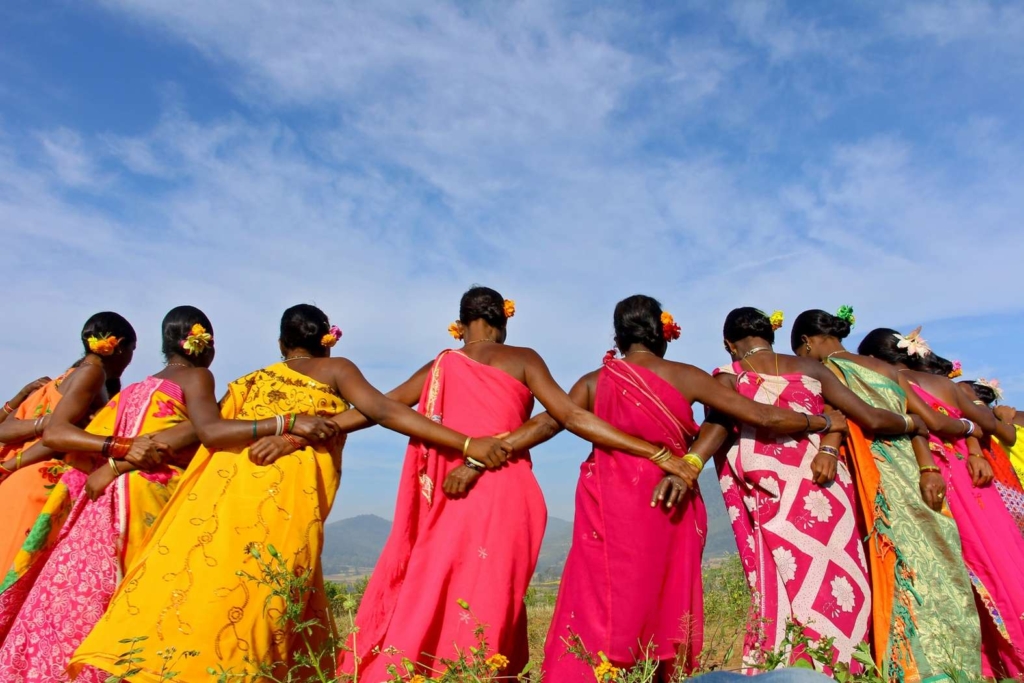
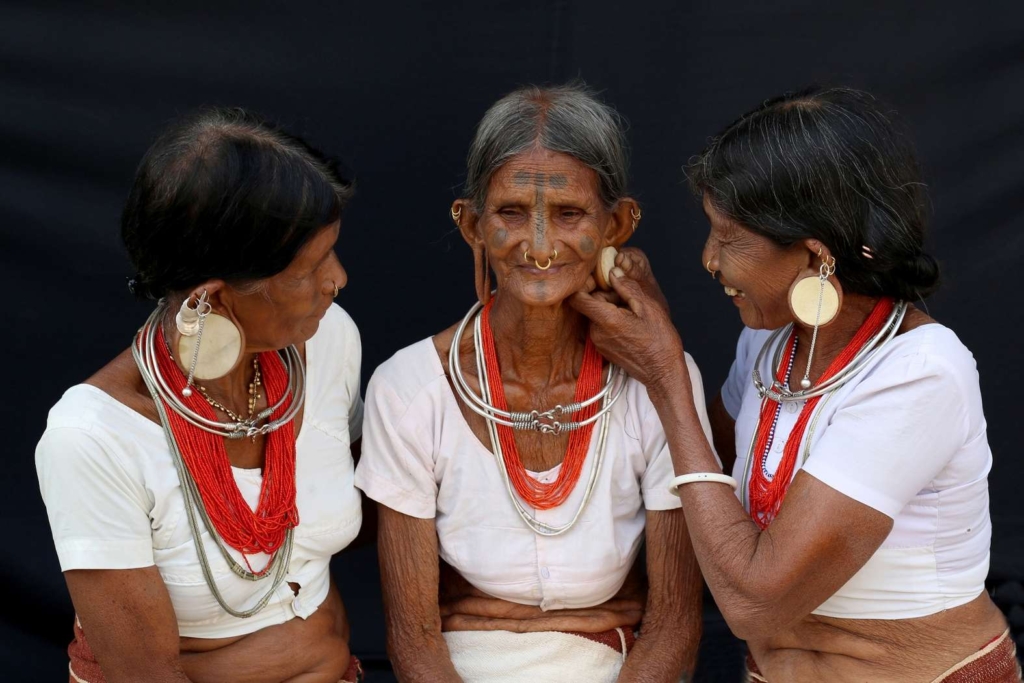
I believe documentary photography must be ethical and respectful. I oppose staging pictures with artificial fashion, altered traditional appearances or performances that are not part of a community’s culture. My responsibility is to document people in their natural environment, preserving their identities, dignity and cultural expressions.
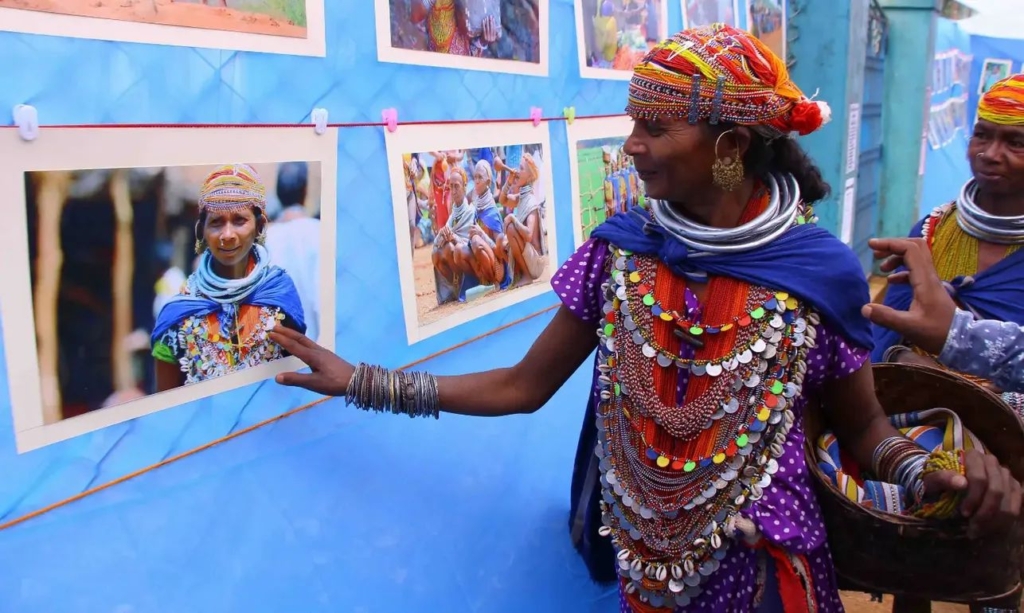
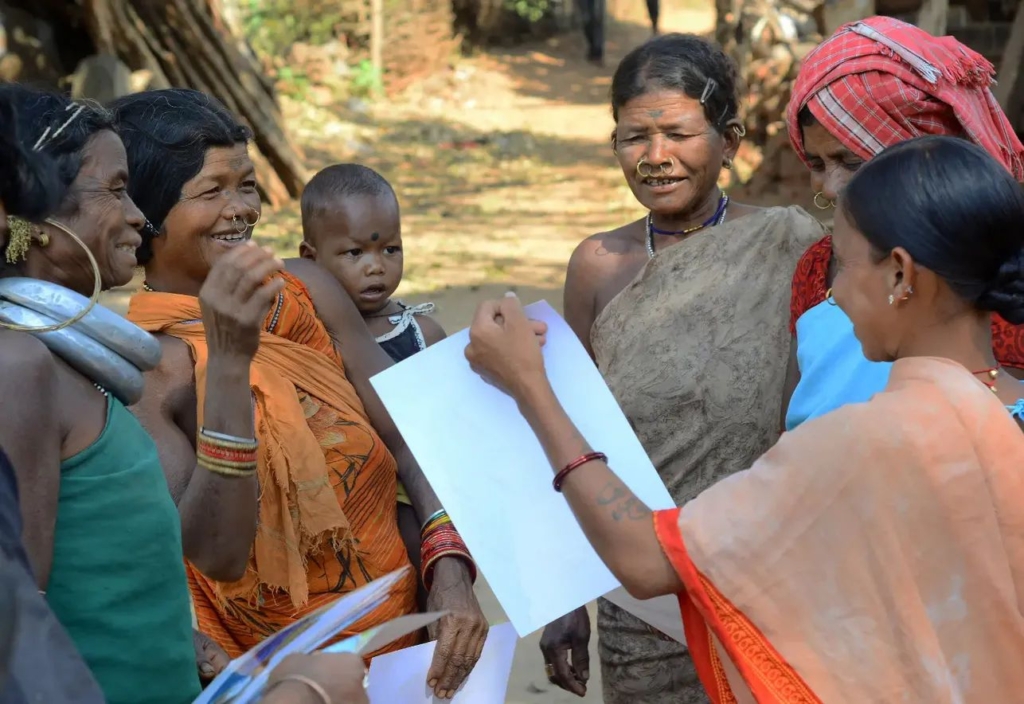
I also take exhibitions directly to tribal communities, not just galleries and urban audiences. I have taken them to remote mountains, valleys, villages, weekly markets and festival grounds, giving people an opportunity to see the lives and traditions of other indigenous communities across India.
During an exhibition in Odisha, a tribal woman stood before a photograph and began crying. At first, we were confused. With help from local people, I learnt she had recognised her deceased mother, who had passed away four years earlier. Her family had no photograph of her. I had taken the picture at a weekly tribal market four years before. I immediately offered it to the woman; her happiness was beyond words. The photograph later found a permanent place in her home. That day, I realised a photograph can become a precious memory and an irreplaceable connection to someone we have lost.
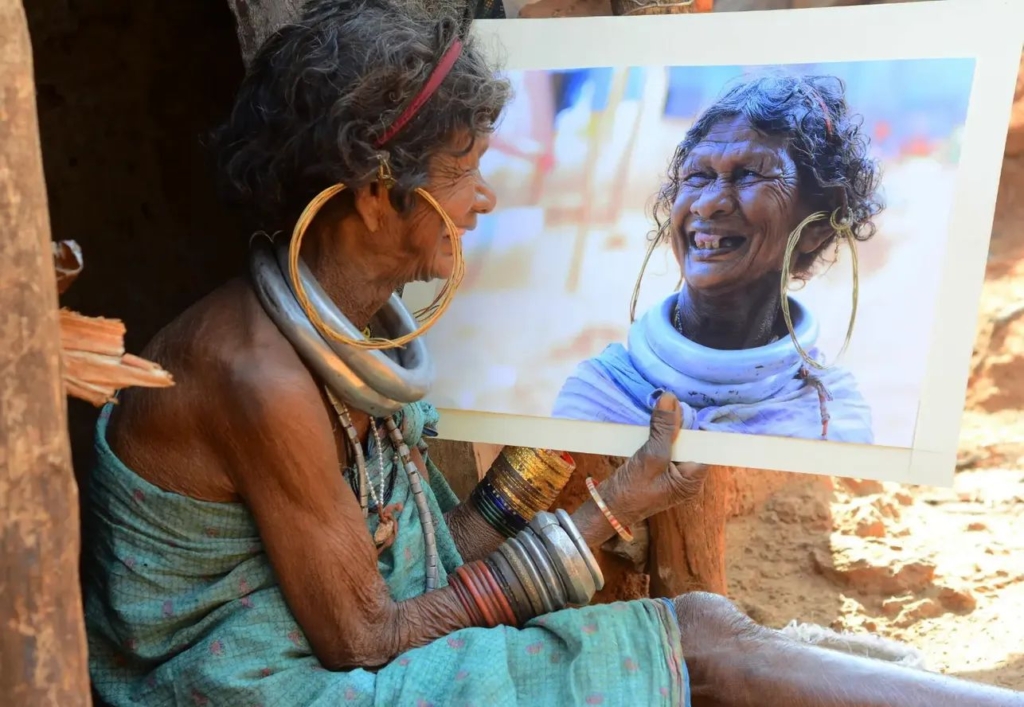
I have shared hundreds of portraits with tribal families, and books, stationery and learning materials for children. My tribal photographs were selected for permanent display at Janjatiya Darpan, the tribal gallery at Rashtrapati Bhavan, inaugurated by Hon’ble President Smt. Droupadi Murmu. I also received her special appreciation for my documentation of tribal communities.
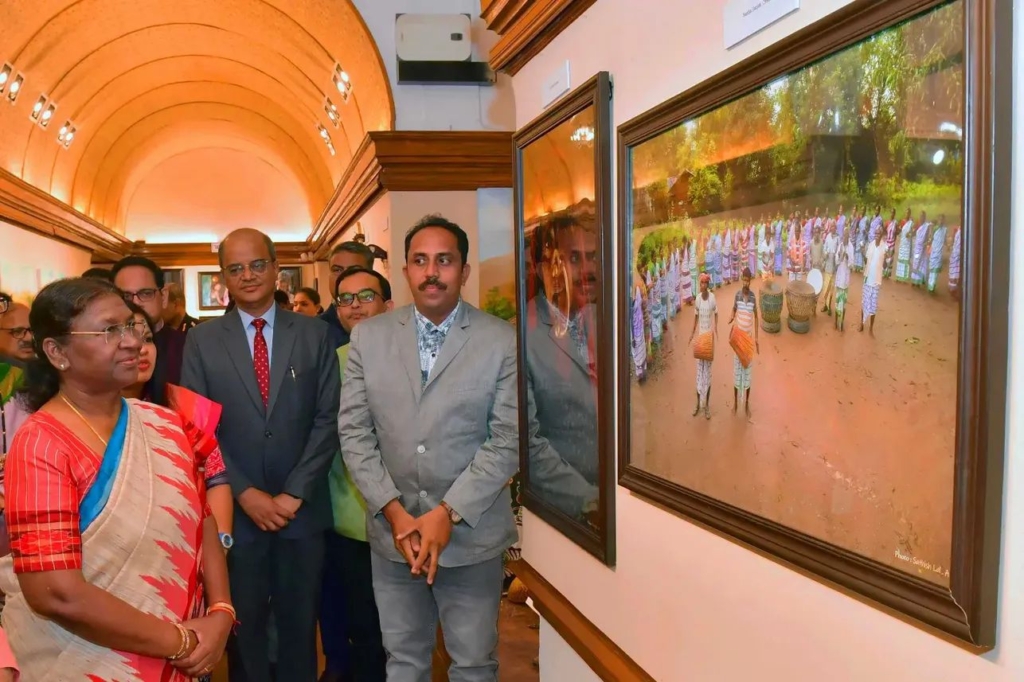
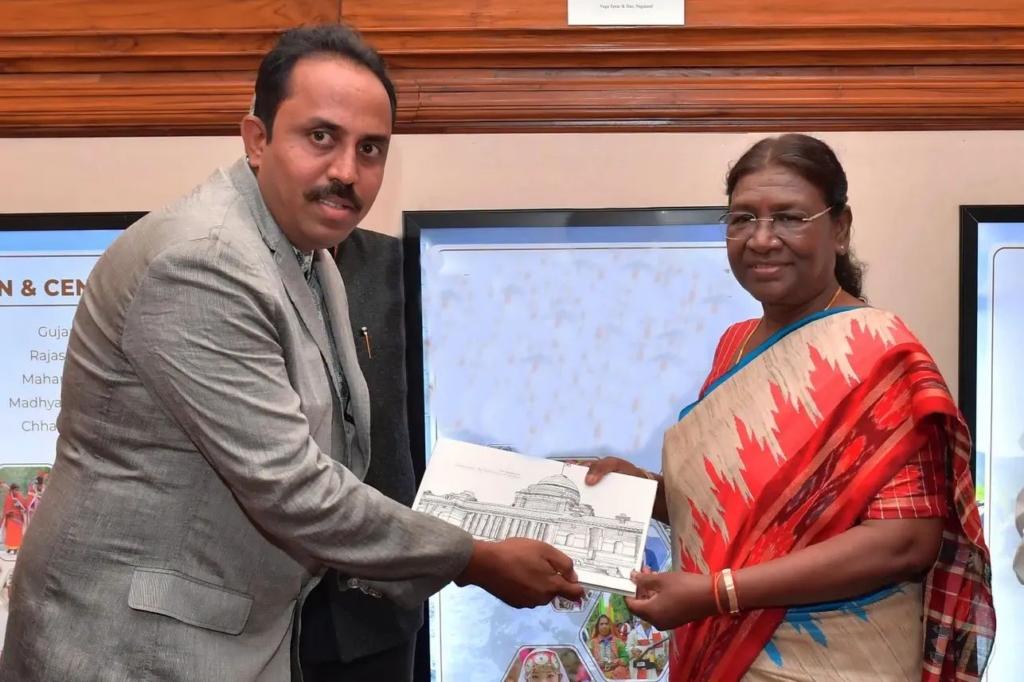
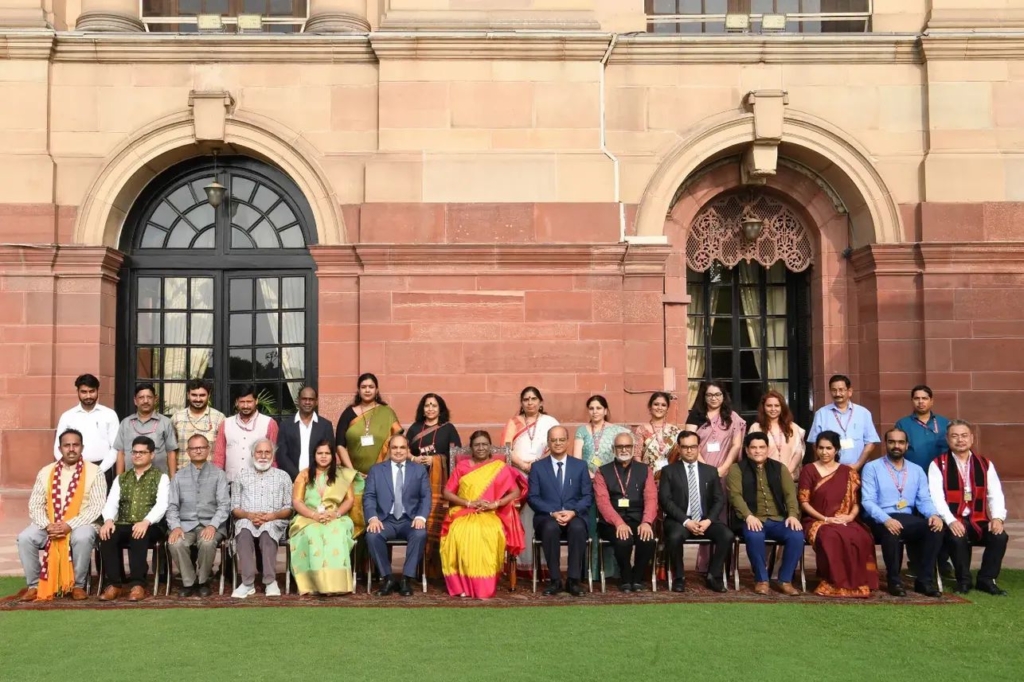
For nearly 12 years, I have documented Olive Ridley turtles at Rushikulya, Odisha, travelling nearly 2,000 kilometres from Hyderabad, twice or thrice a year to photograph mating, mass nesting and hatching. I sometimes wait hours for a frame, learning patience, animal behaviour and respect for habitats.
In 2017, the night our little Lakshmi was born, a fisherman friend in Odisha called to say mass nesting might begin the next morning. My wife and newborn were still in hospital, but I travelled the next day and stayed over a week. With climate change, coastal erosion and other threats, I knew the turtles might not return there. Photographs from that season later played a significant role in earning me the Associate distinction of the Royal Photographic Society of Great Britain (ARPS).
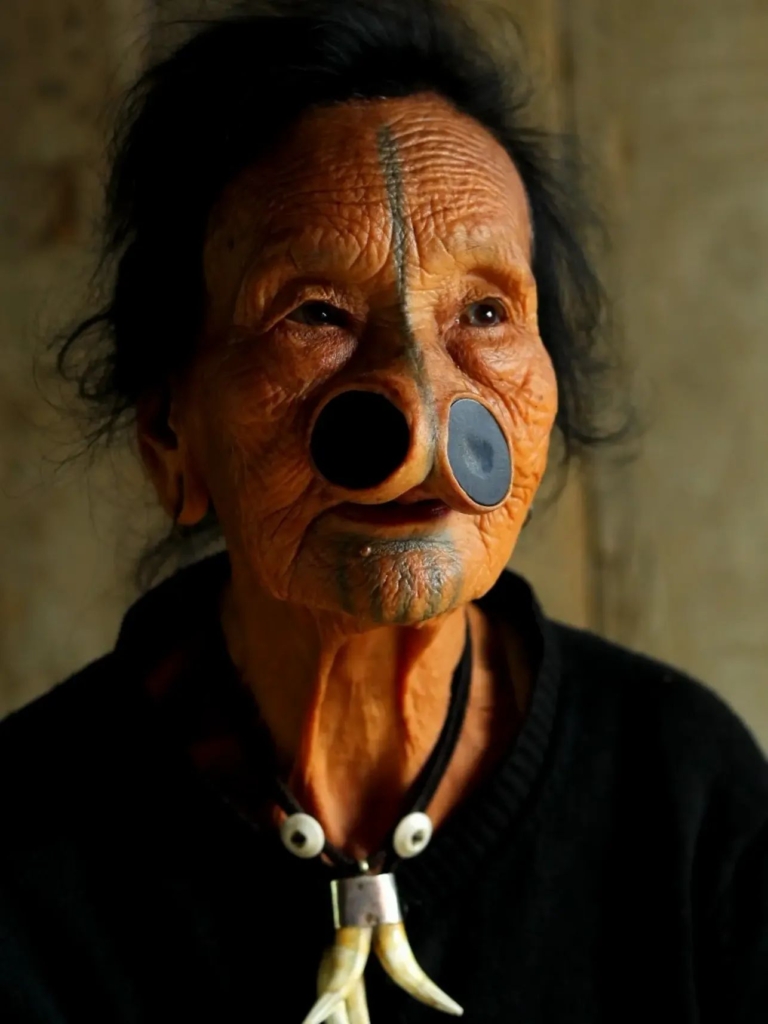
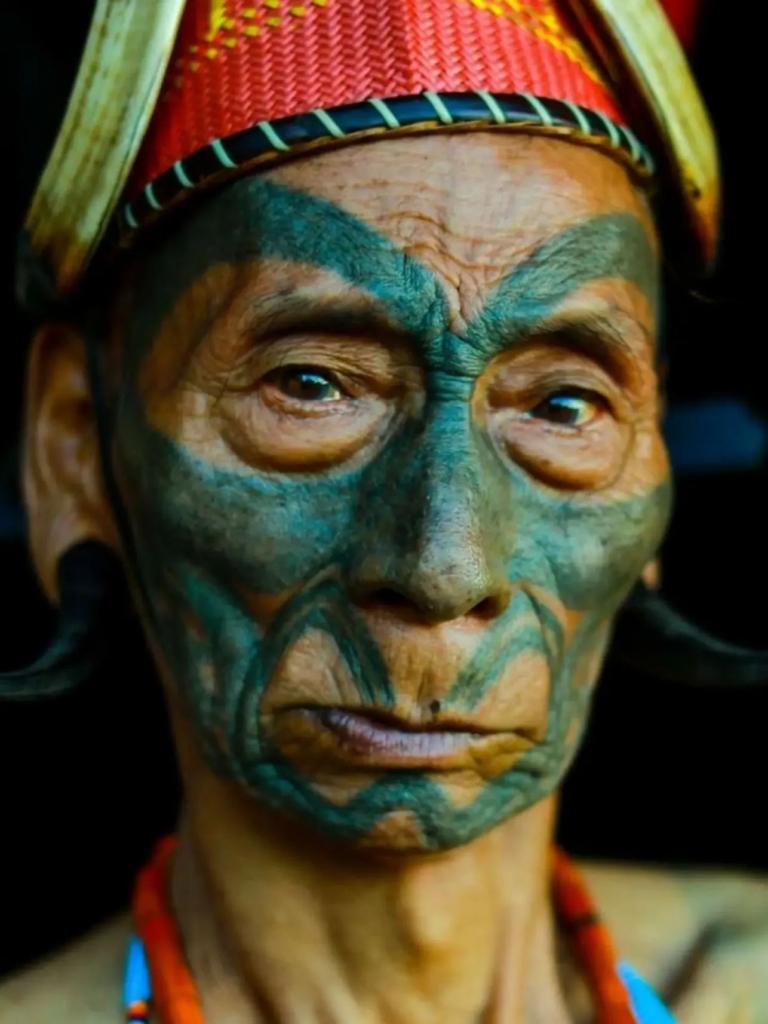
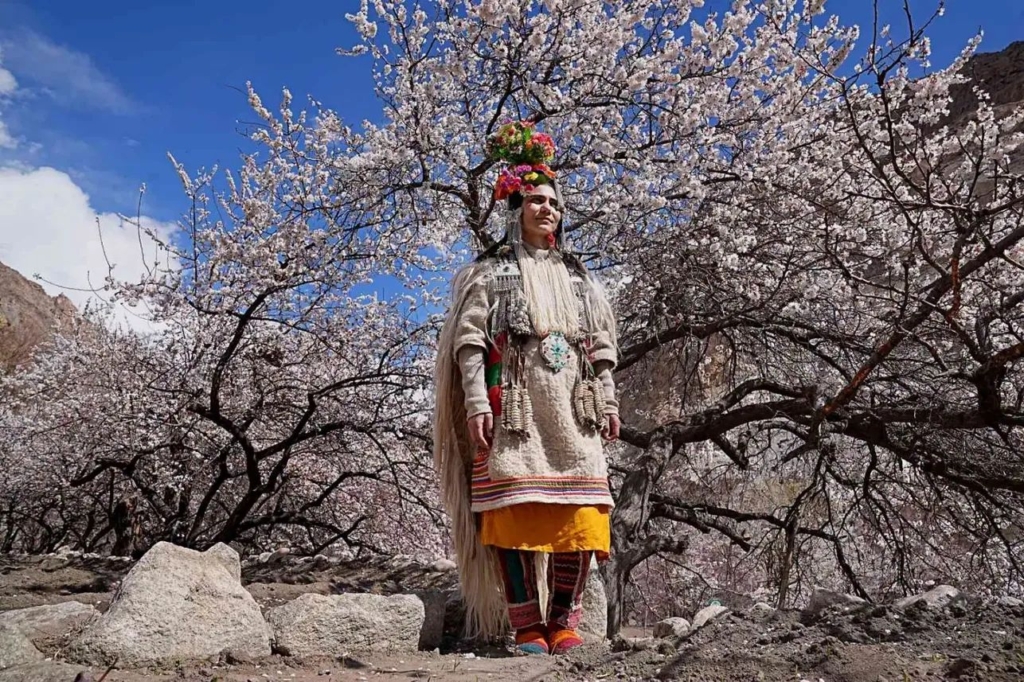
My series, The Earth We Share Belongs to Them, says every species has a right to its habitat. Healthy oceans and undisturbed nesting beaches are vital to the turtles’ survival. Human activity affects wildlife and ecosystems. I hope my archive becomes visual heritage, showing future generations cultures, ways of life and species worth remembering.
My advice to young photographers: develop curiosity before skills. Travel, understand cultures and wildlife. Never stage pictures or chase awards. Be patient and honest. The best photographs carry truth. Don’t chase photographs; discover stories worth telling. Let your camera become a voice for people, cultures and living beings. Recognition will follow worthy work.”