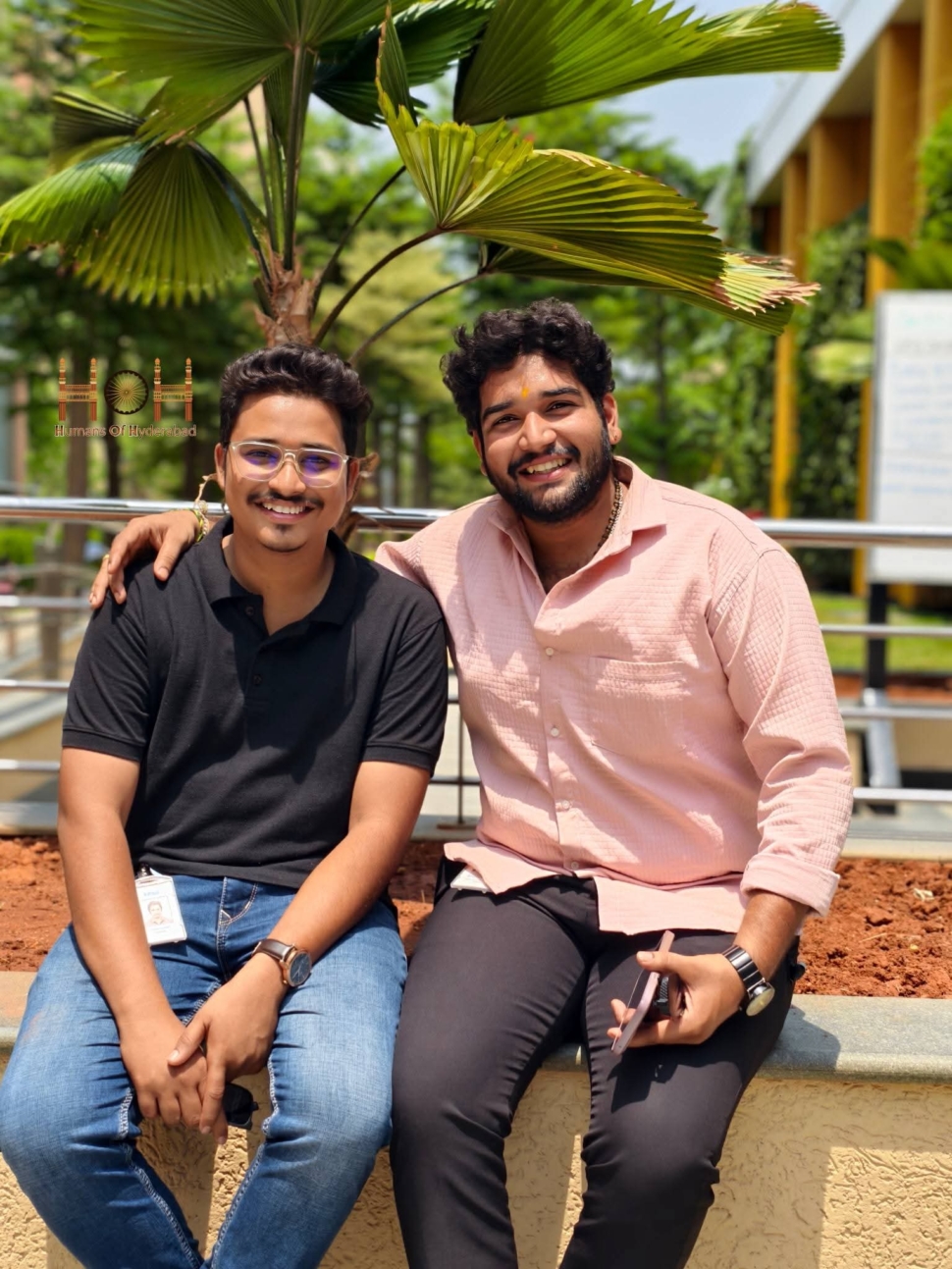
“If you think working in IT is just about sitting in an air-conditioned office, coding under deadlines, and managing corporate stress, you haven’t met us. For us, the ultimate stress buster isn’t a weekend getaway or a quiet evening at home — it’s stepping directly into the toughest realities on the ground to serve people who have lost everything.
We are Adithya and Sumanth, and by profession, we work as System Engineers. But outside our software shifts, we step into a completely different world as core members and Points of Contact (POCs) for Team Mamata — the volunteering wing of the Hyderabad Development Center under the Infosys Foundation.
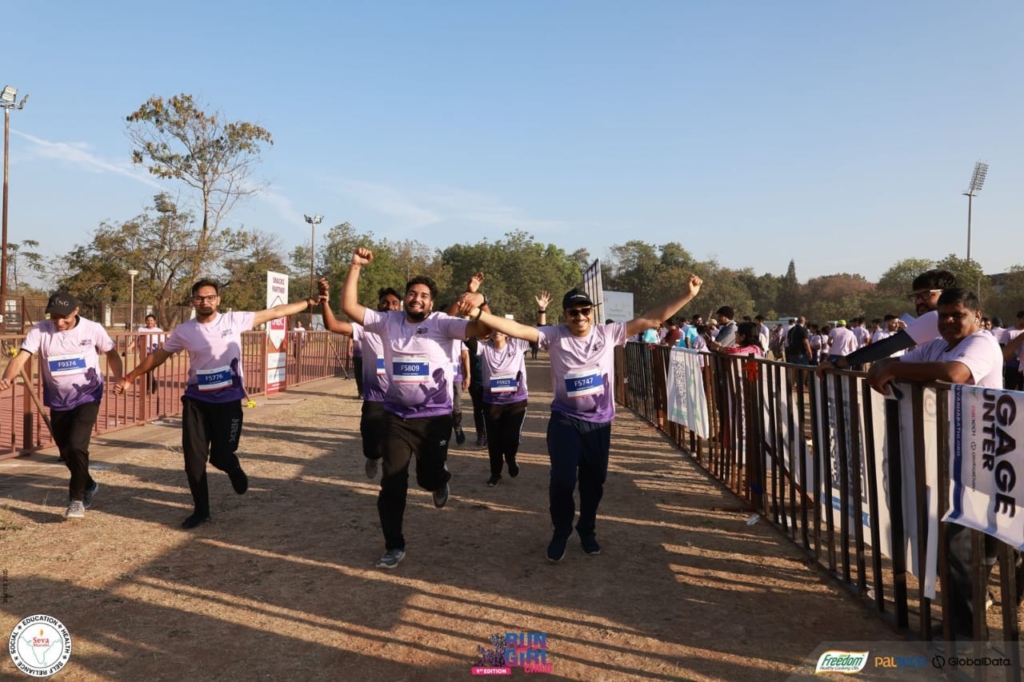
We started this journey three years ago with a simple intention: to dedicate whatever time we could to causes that genuinely uplift society. Since Infosys operates on different shift schedules, we learned to use that flexibility for volunteering. If Adithya is on a night shift, he sacrifices his mornings for fieldwork. Since Sumanth works mornings, he takes over coordination and volunteer management in the afternoons. Today, we handle an internal network of more than 248 volunteers who participate purely out of personal interest and compassion — not because anything is company-mandated.
But the hardest part of social work isn’t the travel or logistics. It’s breaking through skepticism.
Whenever we enter villages or vulnerable communities, the first reaction is often frustration. People tell us outsiders usually come, ask questions, take photos, make promises, and disappear. So we decided early on that we would choose trust over publicity every single time. We tell them directly: “We are not here to post your struggles online. We just want to understand what you genuinely need.” Sometimes people hesitate to even share phone numbers, so instead of pushing them, we give our own numbers first and let them contact us whenever they feel comfortable.
That approach slowly opened doors into places most people never get to see.
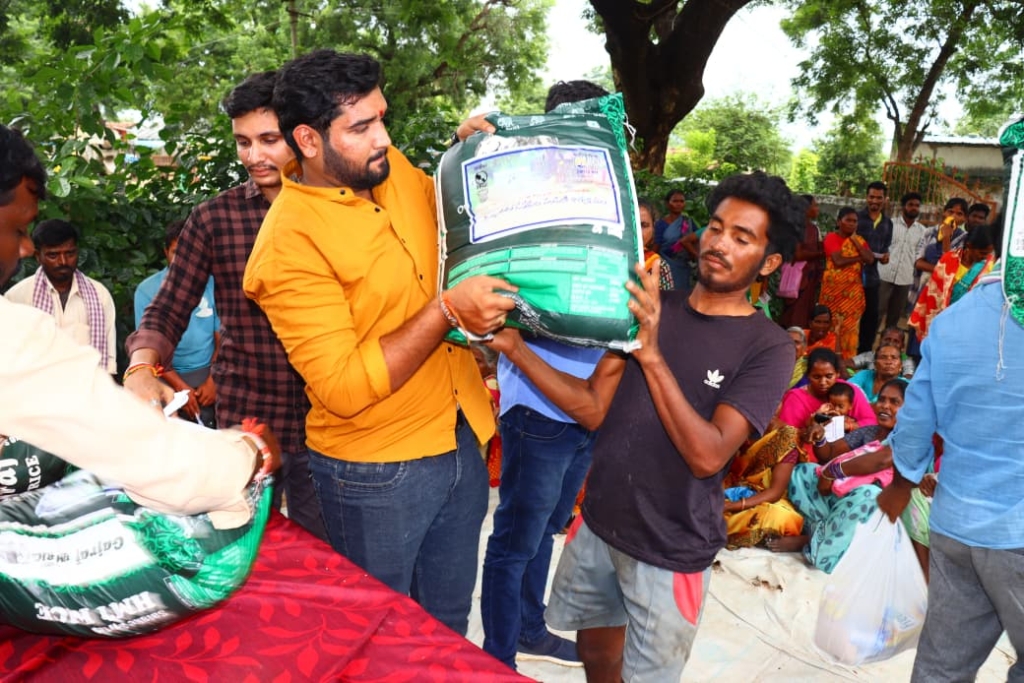
Earlier this year, we travelled deep into the tribal interiors of Bhadrachalam along with local authorities and surveyed 183 remote hamlets completely disconnected from basic infrastructure. No roads. No electricity. No schools. No healthcare facilities. We met families carrying pregnant women manually on cot through forests because ambulances simply couldn’t reach them. Working with local NGOs, we arranged solar panels, tube lights, and fans for nearly 75 tribal families living in mud houses.
Over time, Team Mamata stepped into sectors many people hesitate to even approach. We regularly visit leprosy colonies across Telangana, consciously breaking the stigma around physical touch because we believe humanity comes before fear. We also support tumor and cornea-related treatments and coordinate healthcare access for vulnerable labourers from mining regions and neighbouring states. Through our combined healthcare, education, and relief initiatives, we have impacted nearly 32,000 lives.
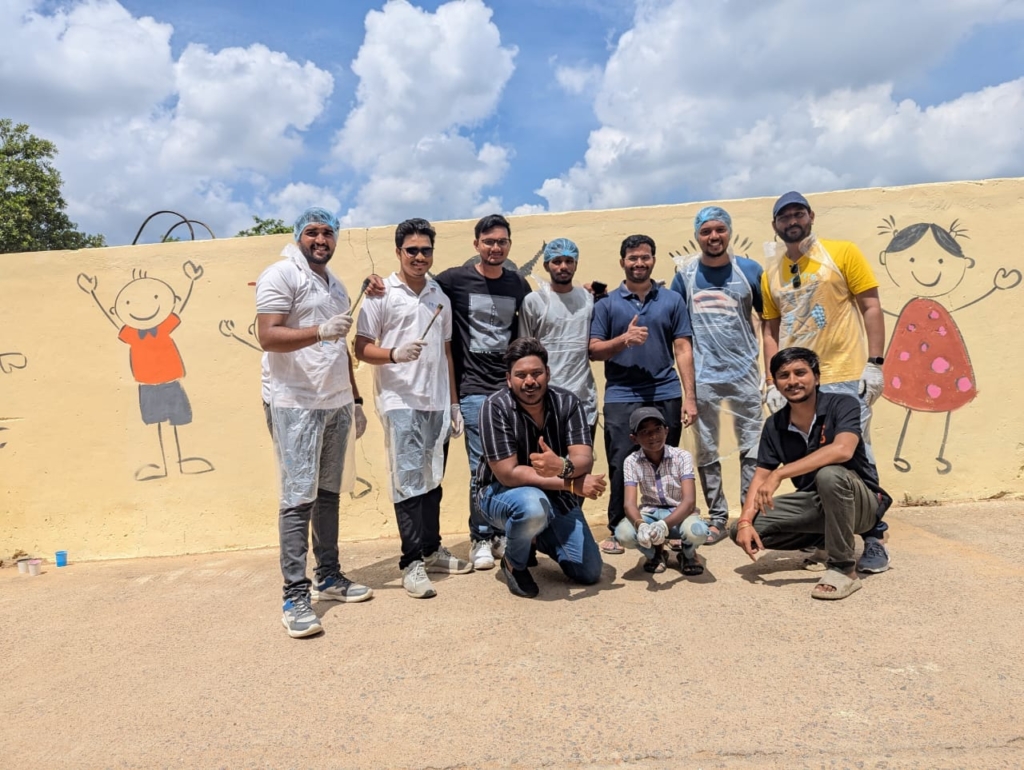
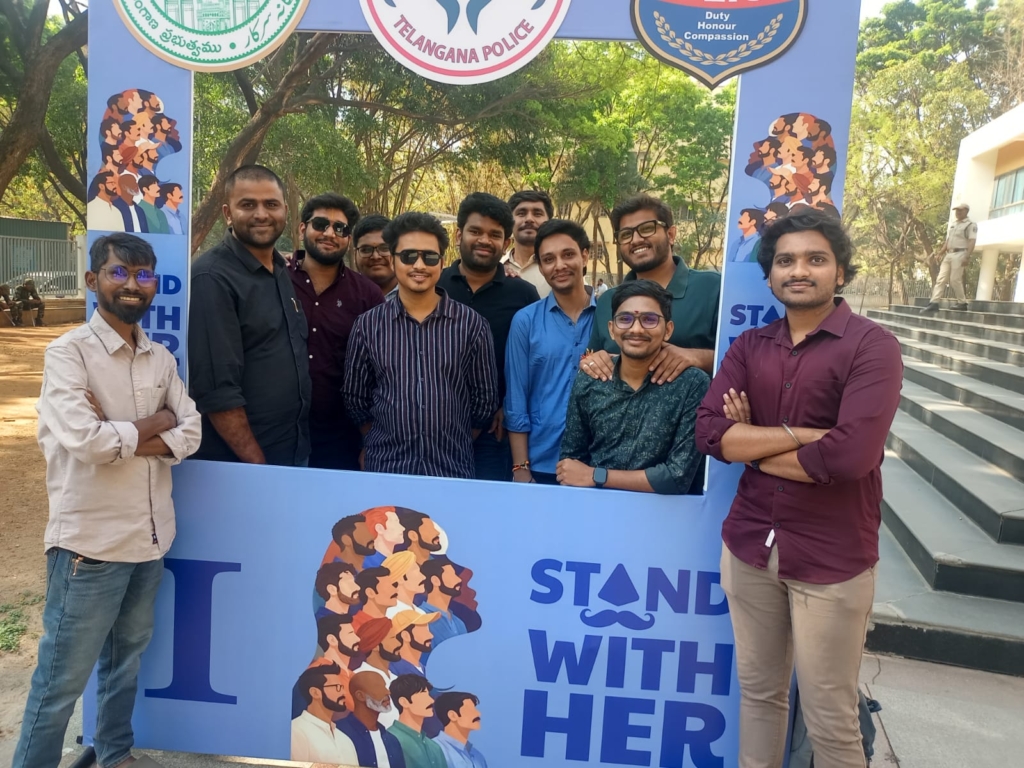
Some of the most emotional moments happened much closer to our own workplace.
One of our campus cab drivers tragically passed away in a road accident, leaving behind his wife and two daughters. The family was preparing to stop the girls’ education entirely because they simply couldn’t afford it anymore. Through our Shikshan initiative, we personally visited their house, verified the need, coordinated with schools and colleges, and arranged a ₹70,000 educational scholarship. But beyond the financial support, our volunteers stayed involved emotionally, constantly motivating the girls through grief and uncertainty. Eventually, both daughters passed with excellent marks.
Education slowly became one of our strongest focus areas because we realized long-term change begins there.
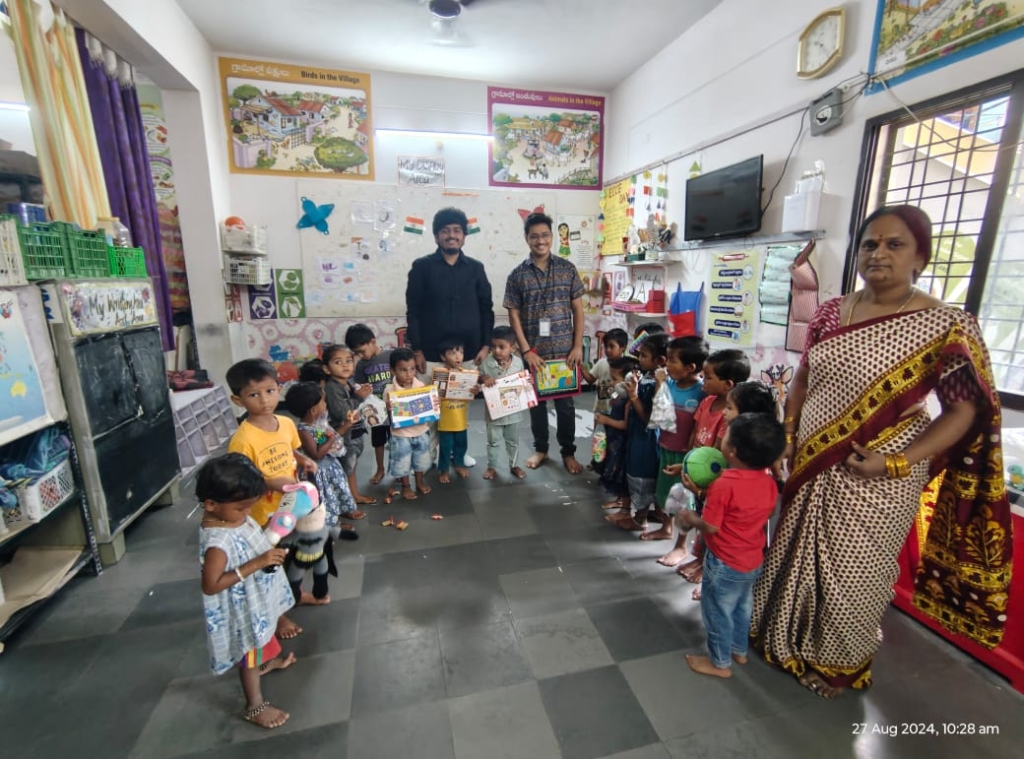
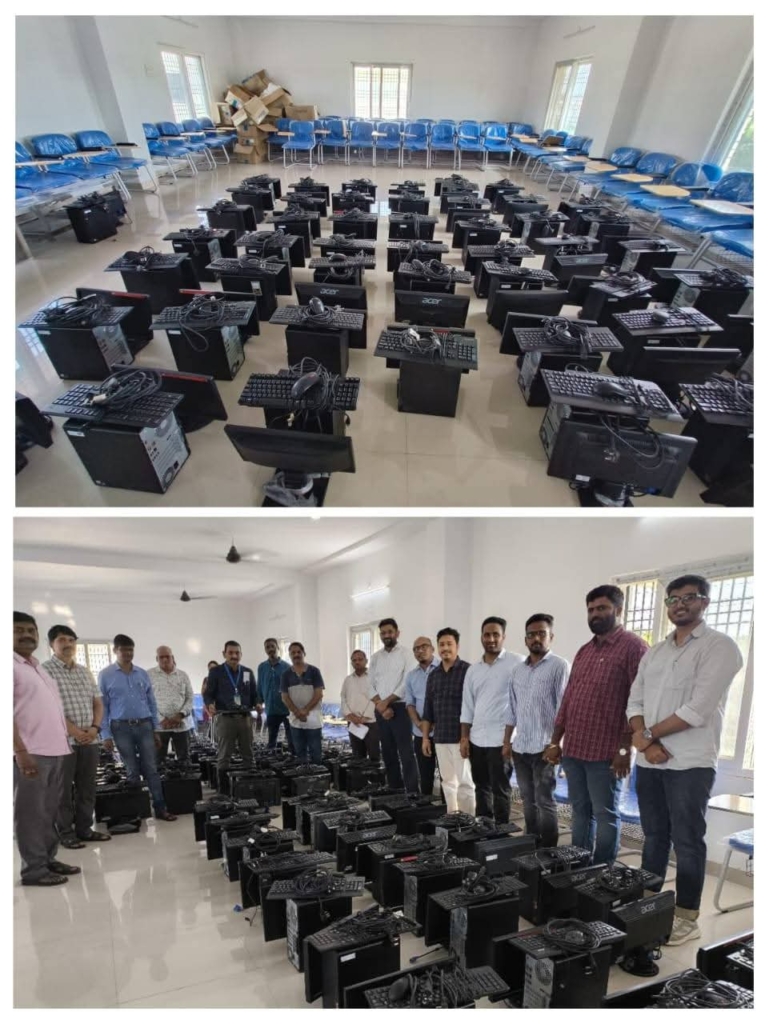
We donate desktops, help set up digital labs in underfunded schools, and conduct career guidance sessions for rural students who have little exposure to the software industry. Recently, partnering with Nirmaan NGO, our Hyderabad DC managed the distribution of 500 digital tablets across Telangana government schools and colleges.
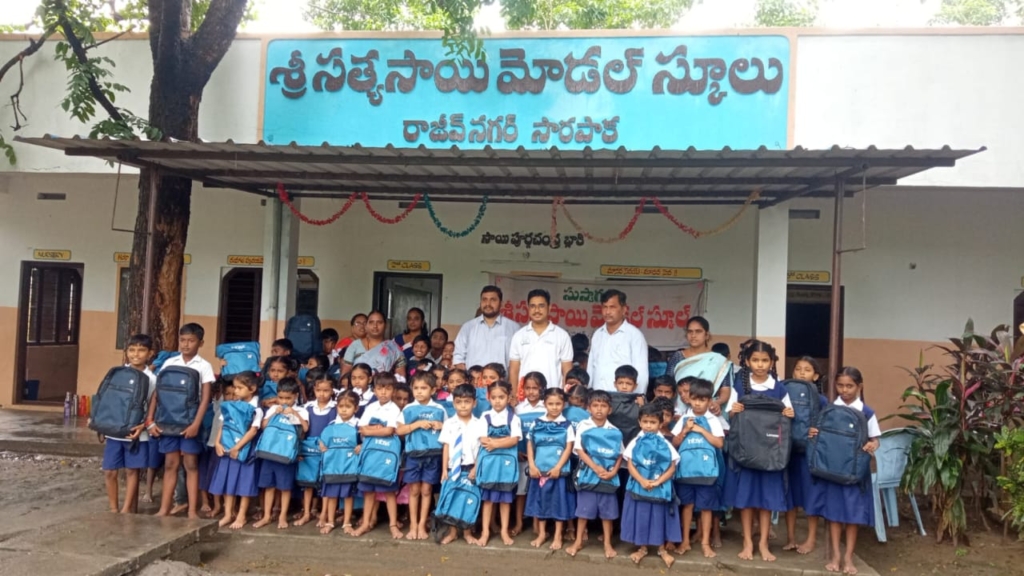
Covering nearly 3,100 kilometres within just 30 days, we personally travelled district to district to ensure the devices reached the right students. Beyond distribution, we trained both faculty and students to use Infosys Springboard — a free learning platform offering courses in Coding, English communication, photography, and several other professional skills.
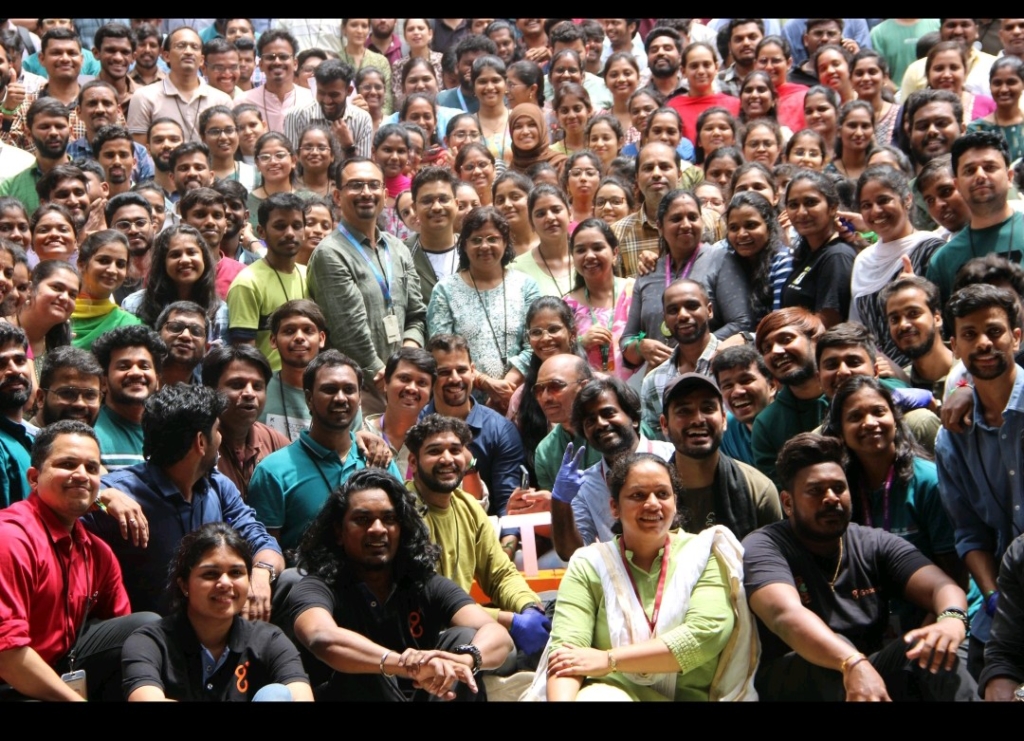
Closer to our Pocharam campus, we also focus heavily on sustainability and women’s empowerment. The Infosys Pocharam campus itself is a 450-acre benchmark in green engineering and sustainability — India’s first fully solar-powered corporate campus, powered by a 7.2 MW solar plant that generates nearly 12 million units of clean electricity annually while offsetting over 9,200 tons of carbon emissions. The campus uses radiant cooling technology that cuts energy consumption drastically, smart daylight-based architecture, rainwater harvesting systems, biogas plants, and preserves nearly 30–40% of its land with dense greenery and local flora. Within this eco-conscious environment, we support local NGOs and self-help groups through stitching initiatives that have empowered over 20,000 women financially.
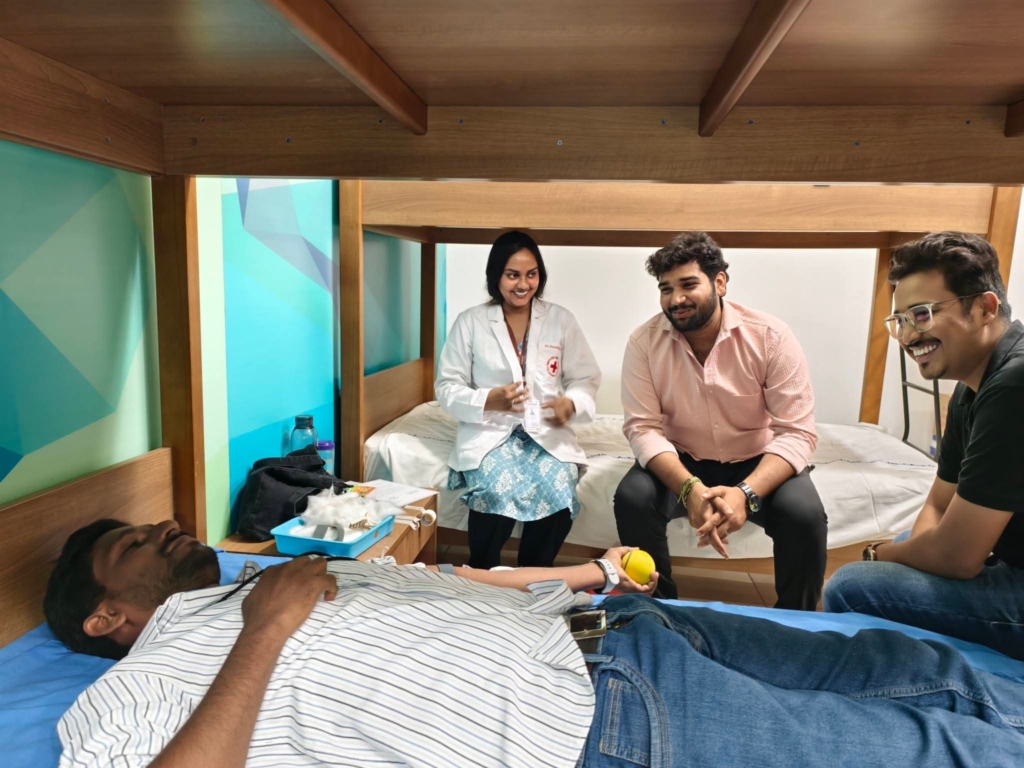
We also organize blood donation drives, seed-ball campaigns, book donation events, and even “Bring Your Kids to Office” activities where employees and children paint reusable cloth bags to spread awareness about plastic pollution.
But the true test of our team came during the devastating floods across Vijayawada, Khammam, Mahabubabad, and Mulugu in 2024.
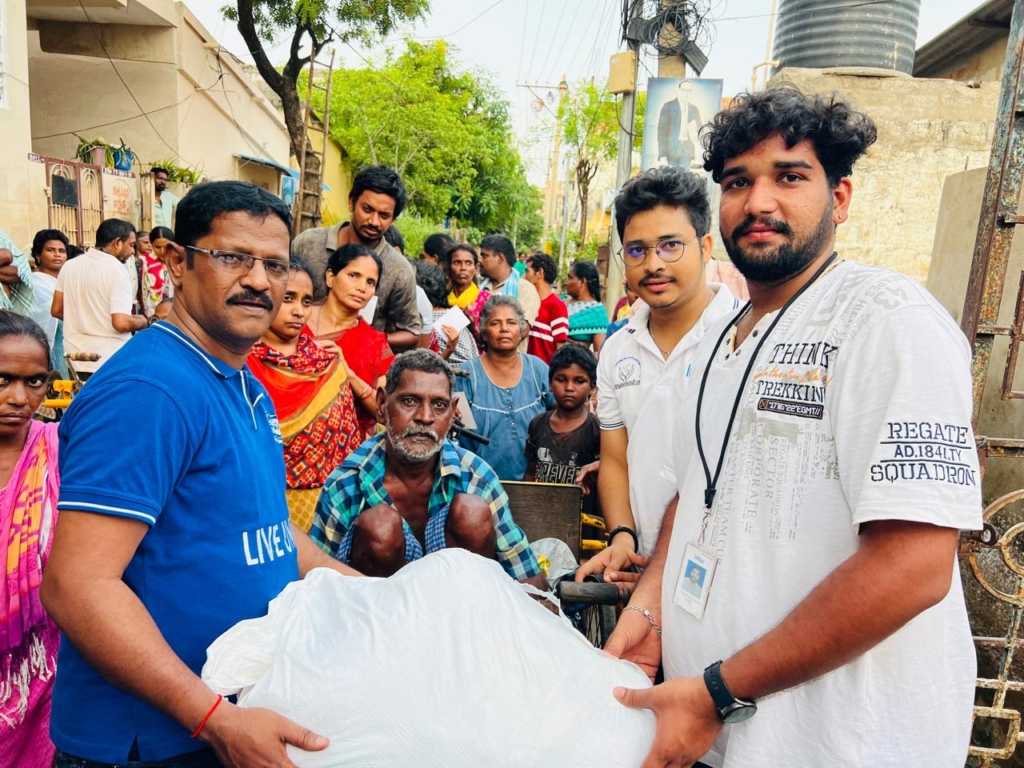
We both spent three days on the ground in Vijayawada moving through chest-deep contaminated floodwater despite battling a 104-degree fever. Looking around at the destruction, every corporate title disappeared. Rich or poor, everyone was simply trying to survive. We initially planned to distribute 500 survival kits, but after witnessing the scale of the devastation, we immediately reached out to the Infosys Foundation for additional support. Within 48 hours, resources were mobilized, and together we eventually impacted nearly 48,000 flood victims across both states.
What keeps us grounded through all this is the culture around us.
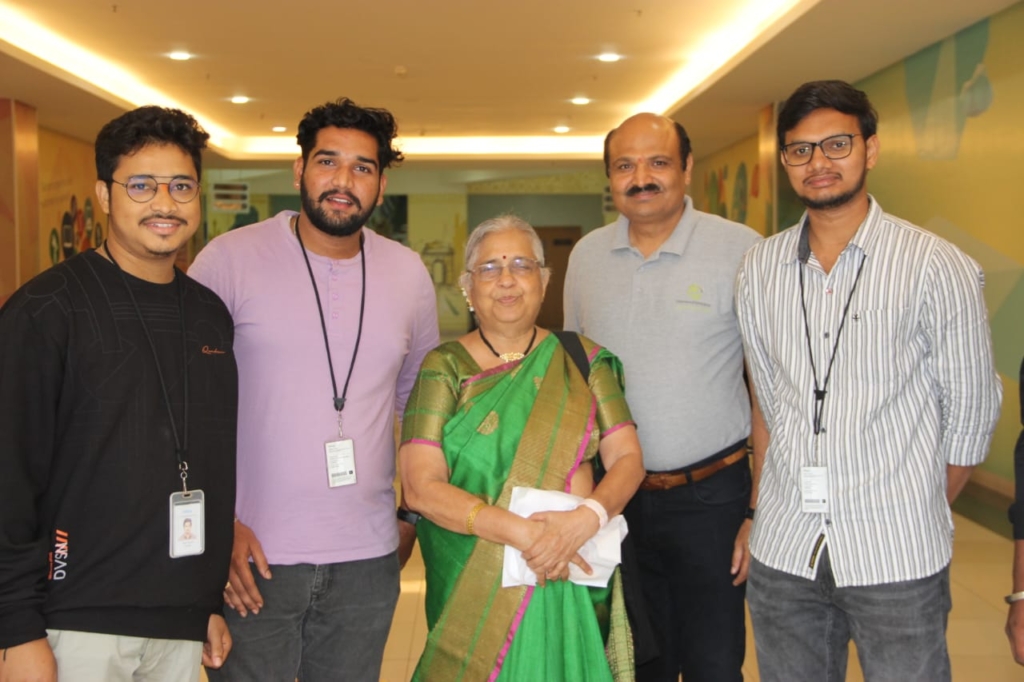
Meeting Sudha Murthy ma’am was unforgettable because despite everything she has achieved, she spoke with incredible simplicity. She encouraged us youngsters to travel, understand rural India deeply, and use our early years meaningfully. That same culture exists throughout the campus. Managers, freshers, CXOs — everyone works side by side when it comes to service.
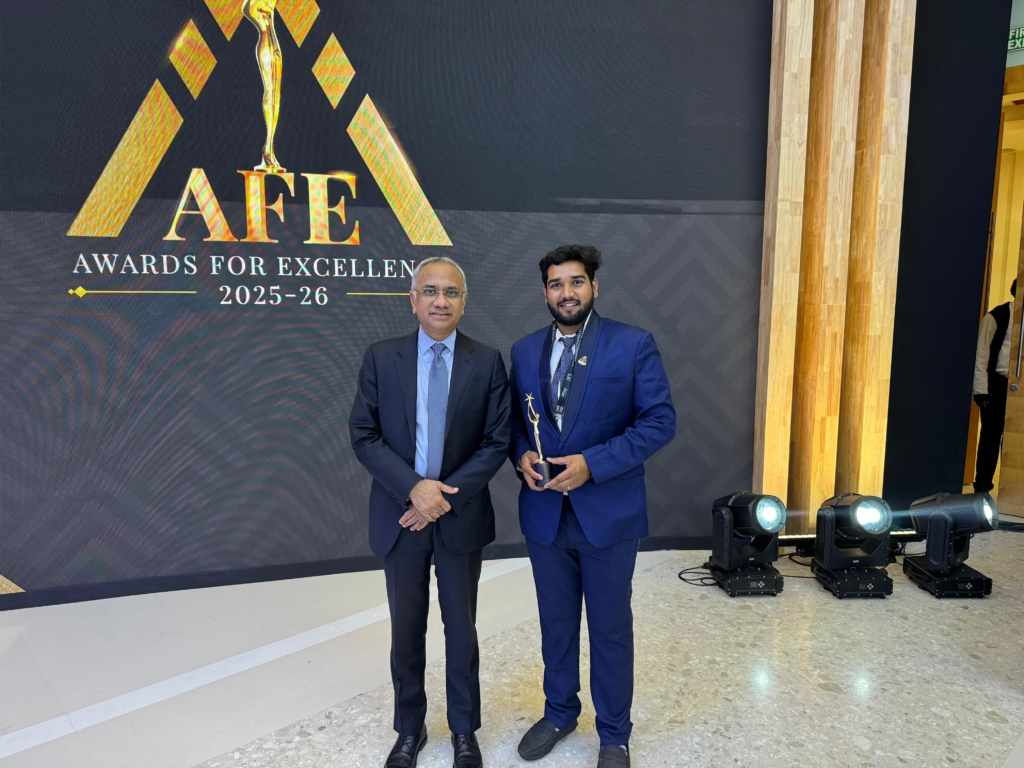
Earlier this year, Adithya received the prestigious Award for Excellence — often called the “Oscar of Infosys” — at just 24 years old, a recognition usually associated with decades of service. But for us, the real reward has never been the recognition.
It’s the people. We may be techies by profession, but our hearts belong to the communities we serve. Hyderabad gave us our careers, but Team Mamata gave us purpose.
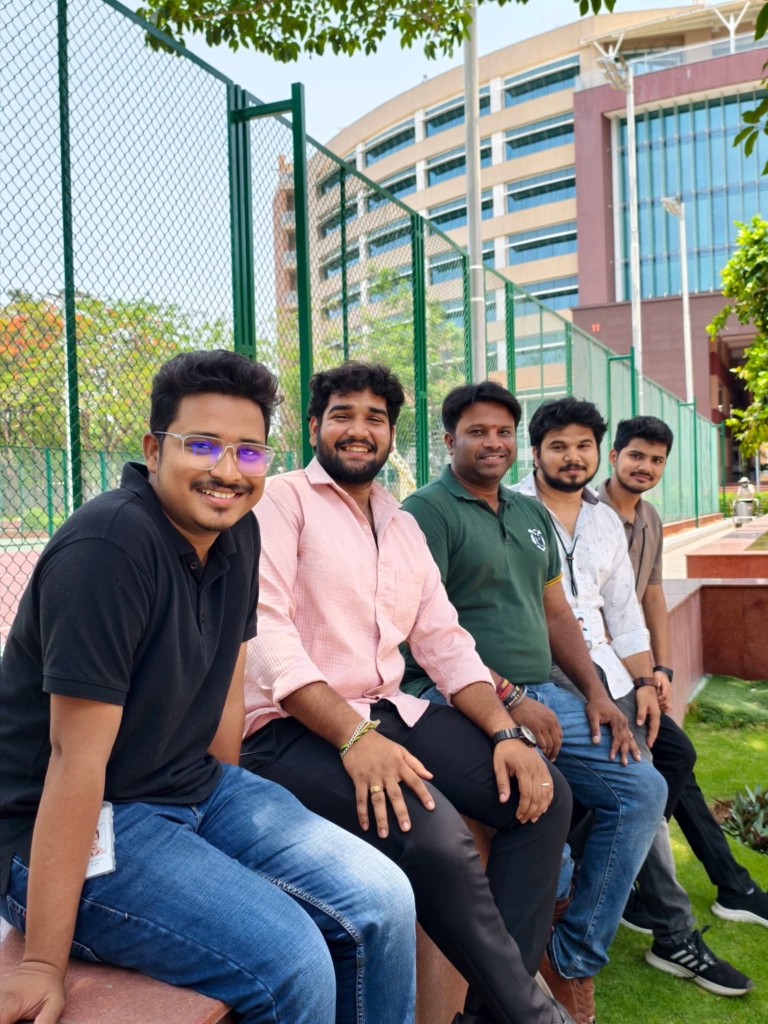
And while we are proud to build software systems every day, we are infinitely prouder to help build a more compassionate world beyond our office walls.”