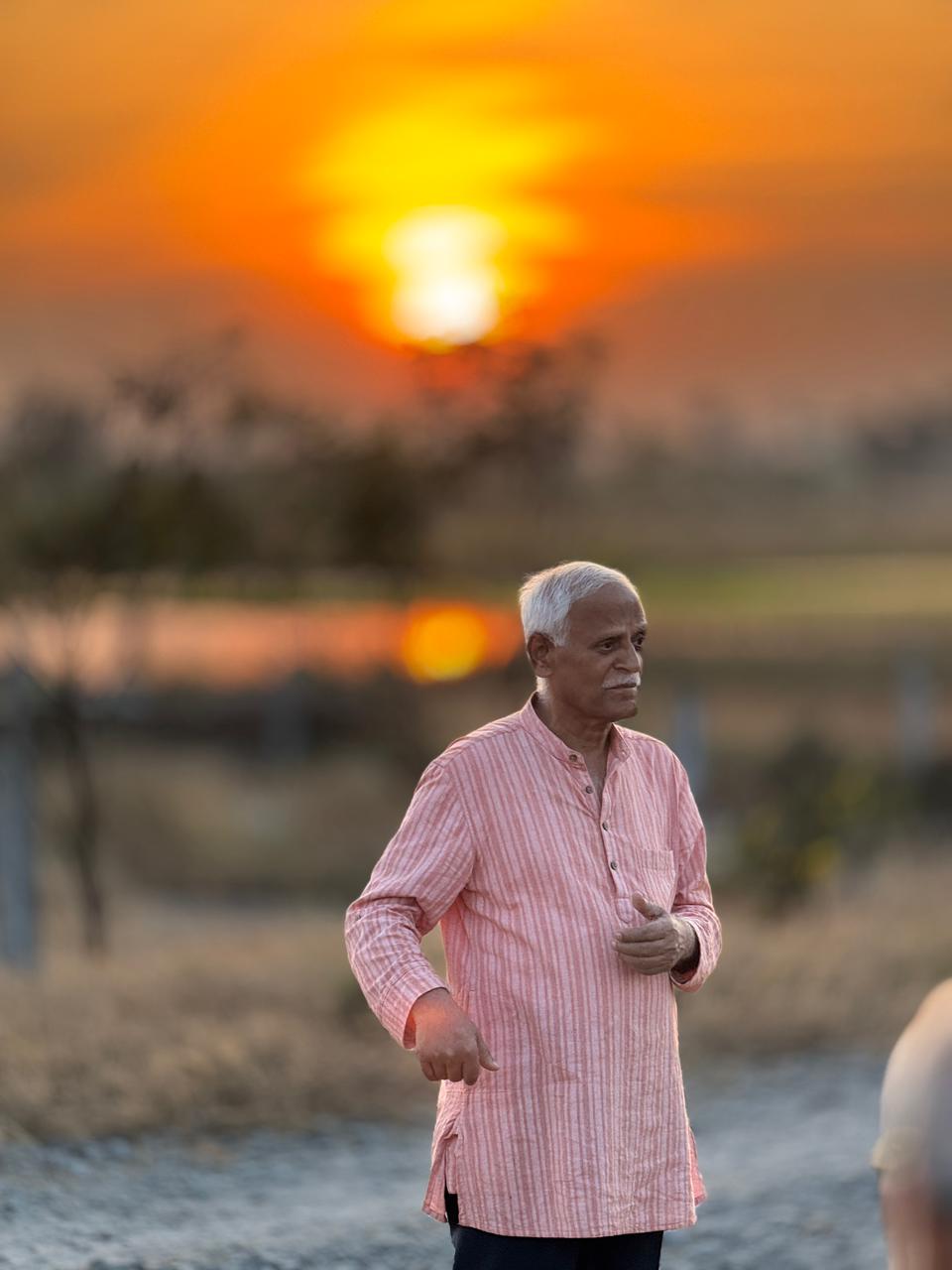
“I was born in Bhoompally, a small village in the Siddipet district of Telangana. Growing up in a rural environment, my exposure to the world outside was limited. It wasn’t until I pursued my Engineering degree at Osmania University that the broader horizons of knowledge, academic rigor, and leadership became clear to me. Organizing major science conferences during my university years served as my first real encounter with collective responsibility and public service.
In 1972, during my final year of engineering, I attended a presentation by senior defense officers. Their words kindled an unexpected aspiration within me. Until that afternoon, a career in the armed forces had never crossed my mind. Yet, in that moment, I felt a definitive calling. Without hesitation, I took the entrance examinations, cleared the selective interviews, and passed the physical medical boards. By 1973, I was officially commissioned into the Indian Army.
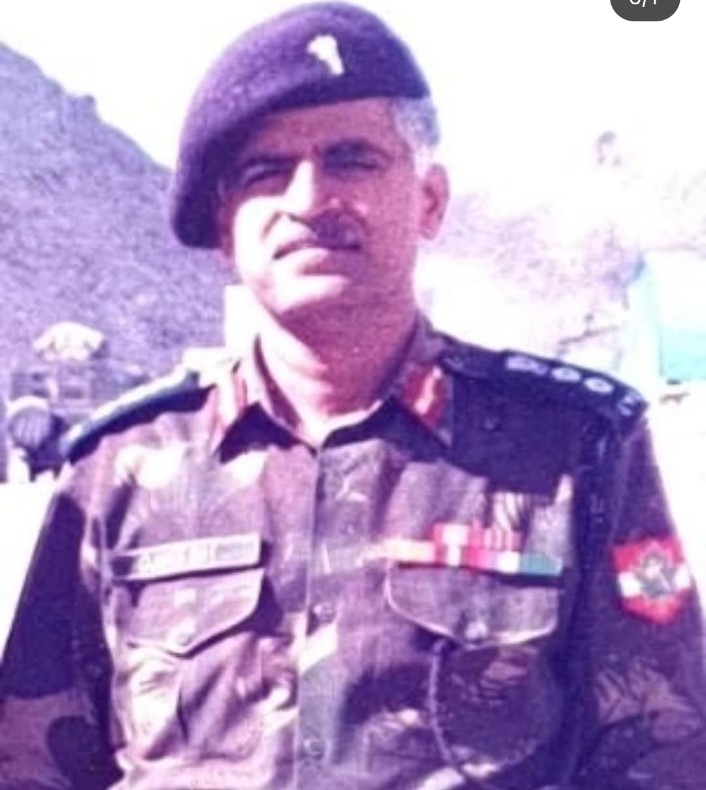
My military service spanned over 35 years, taking me from the rugged terrains of the northeastern states to the high-security operational zones of Jammu & Kashmir. We lived under the constant reality of being battle-ready within a strict 24-hour notice. In 1999, as the Kargil War unfolded, I was stationed at the Army Headquarters in New Delhi, coordinating strategic operations and logistics. While I helped streamline weapon assembly and tactical planning, the true, unfiltered courage belonged to the jawans on the freezing front lines who made the ultimate sacrifices.
Later, in 2003, our team’s efforts culminated in the development of ‘Windy’—a high-mobility, multi-weapon platform. Seeing it showcased at the Republic Day Parade in 2004 as the first-ever patented vehicle designed by the Indian Army remains a definitive milestone.
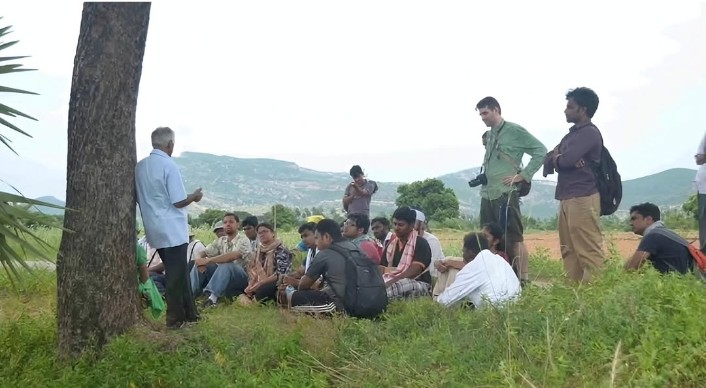
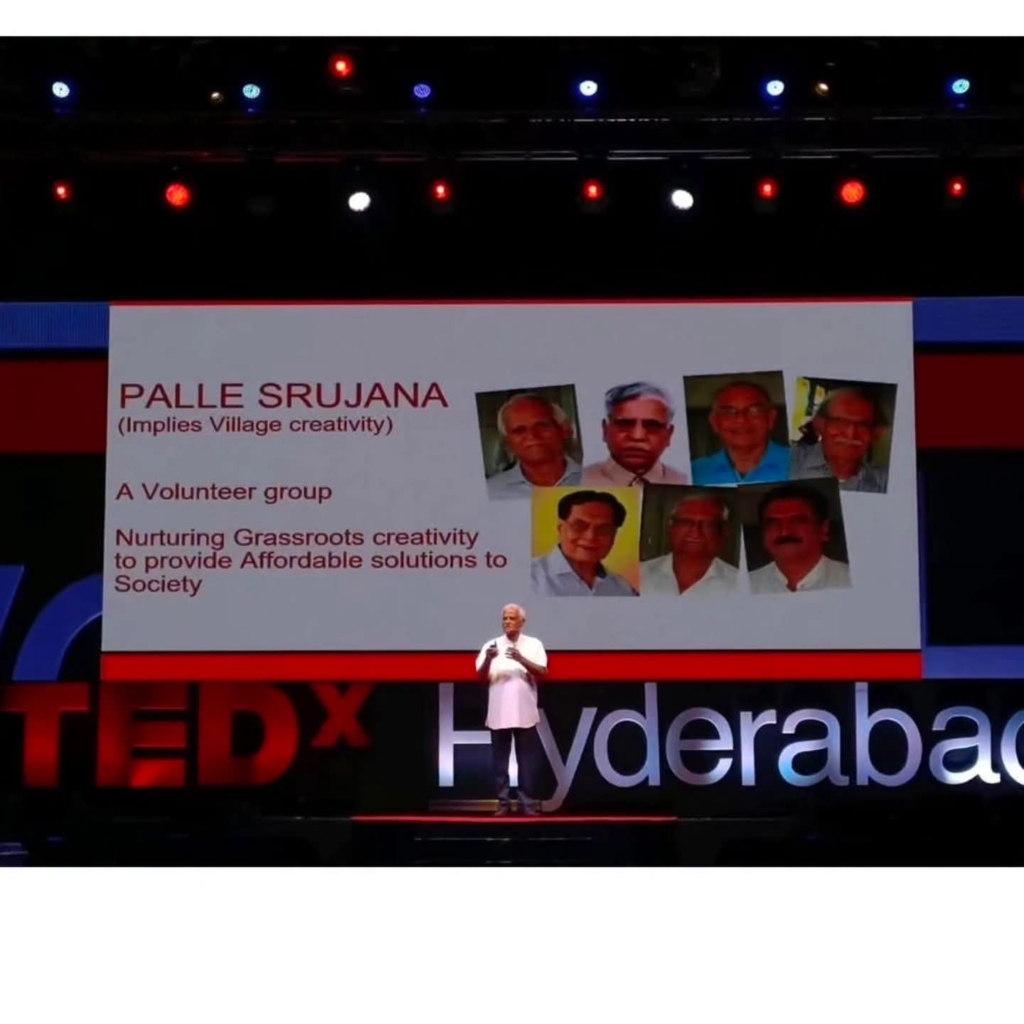
When I retired as a Brigadier that same year, I chose to shift my focus from defending borders to empowering the core of India—its villages. I founded Palle Srujana, a voluntary organization dedicated to identifying, documenting, and validating grassroots knowledge and rural innovations.
When I retired as a Brigadier in 2005, I chose to shift my focus from defending borders to empowering the core of India—its villages. I founded Palle Srujana, a voluntary organization dedicated to identifying, documenting, and validating grassroots knowledge and rural innovations. To elevate regional creativity to a national stage, we became a key regional collaborator with the nationwide Honey Bee Network and SRISTI based in Ahmedabad, scouting and pitching rural ingenuity directly to the National Innovation Foundation (NIF).
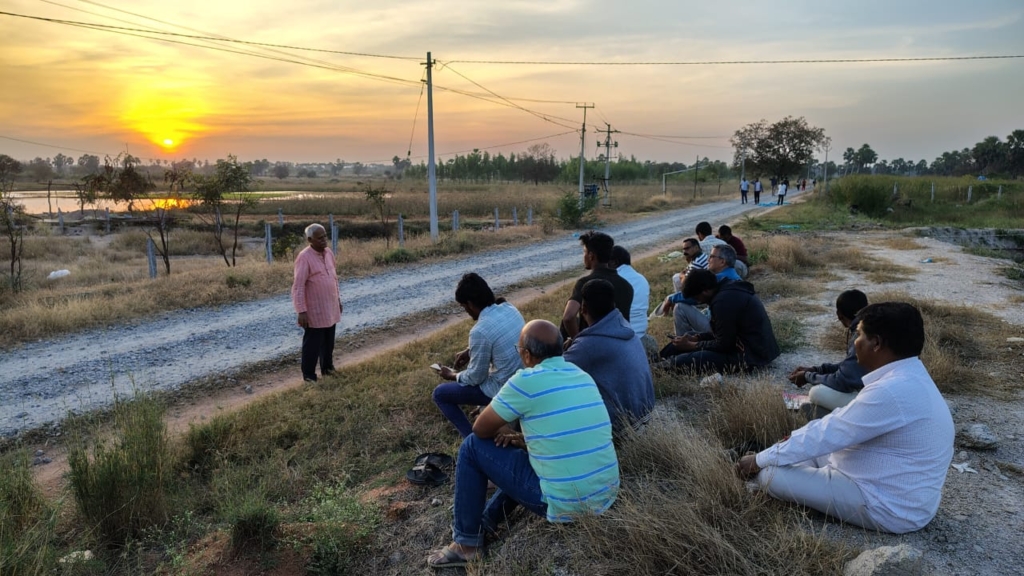
To discover these hidden geniuses, one cannot remain behind a desk. You have to walk. Over the last two decades, I have walked over 8,000 kilometers, visiting more than 2,000 villages across the country.
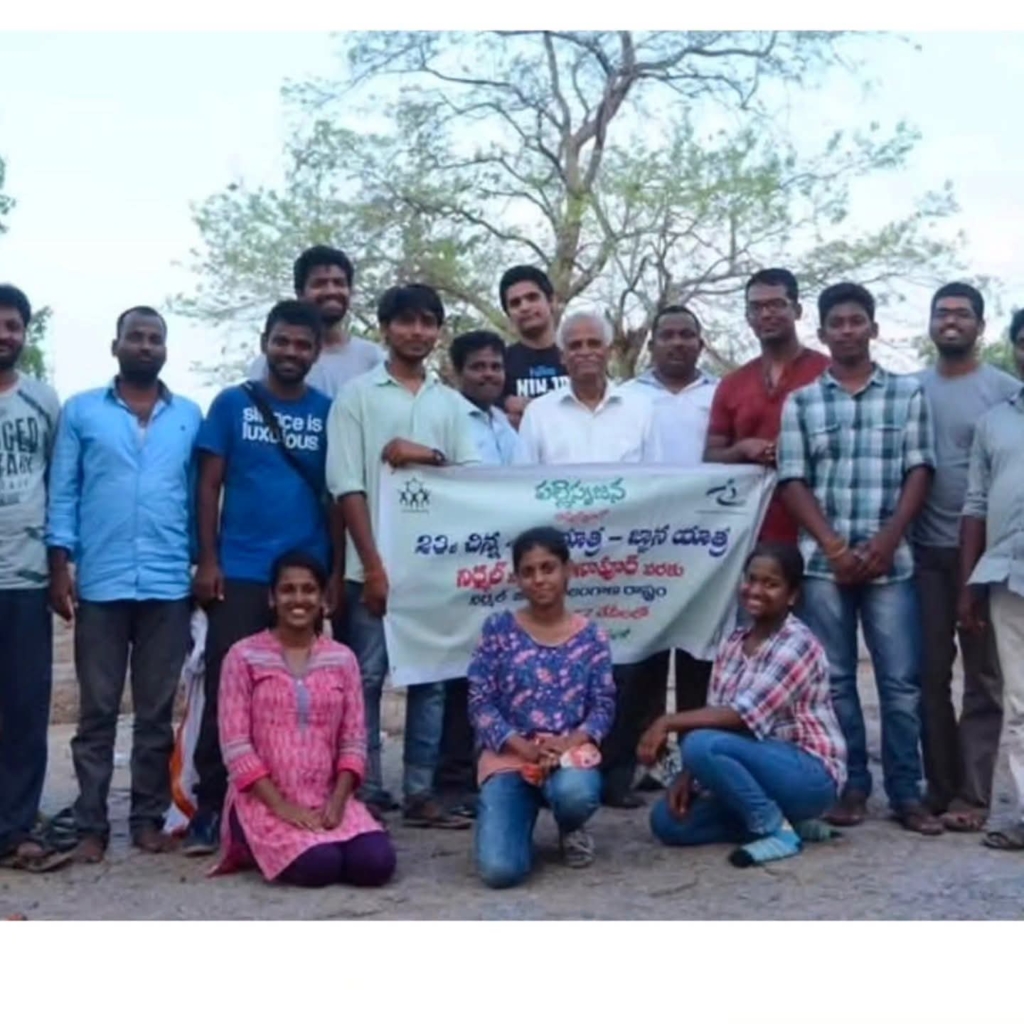
Alongside our periodic Chinna Shodha Yatras, our flagship campaign is the massive, national-level Pedda Shodha Yatra. These extensive foot marches follow a strict philosophy of humility: we walk through rural landscapes to learn, not to preach. We actively scout for unique agricultural practices or makeshift mechanical solutions developed by uneducated farmers and local artisans, and we publicly celebrate elderly villagers who hold ancestral knowledge of traditional medicine.
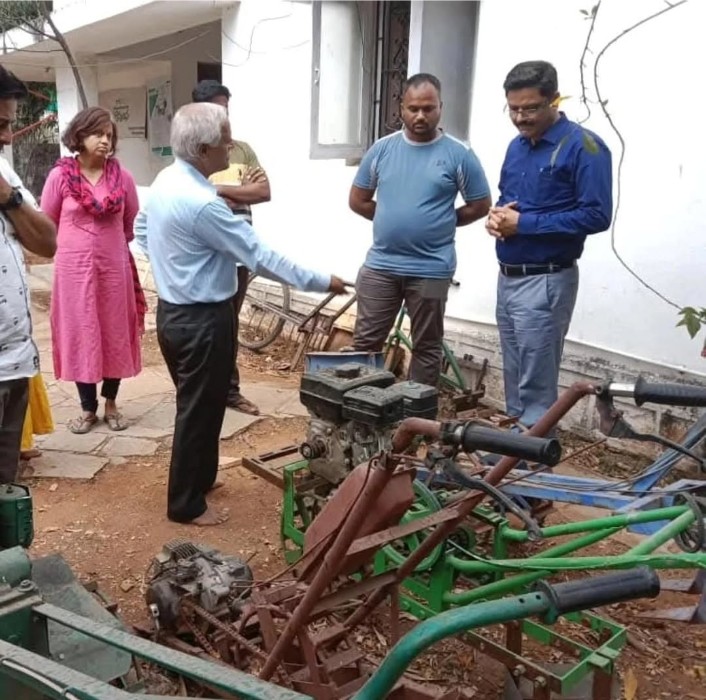
Through these movements, our voluntary network has grown to include over 3,000 volunteers, scouting over 500 distinct innovations and documenting more than 1,000 traditional knowledge practices from the ground up. Palle Srujana has successfully secured 36 patents for these grassroots creators, directly enabling these self-taught rural inventors to receive 13 President of India awards, 7 international honors, and 3 prestigious Padma Shri awards.
True service to the nation is not bound by a timeframe or a uniform. Whether managing strategy at Army Headquarters or walking the dusty paths of a remote village during a Shodha Yatra, my core duty remains exactly the same: to lift up the quiet, brilliant strength of our people.”
— Brigadier Pogula Ganesham, VSM (Retd), Founder, Palle Srujana