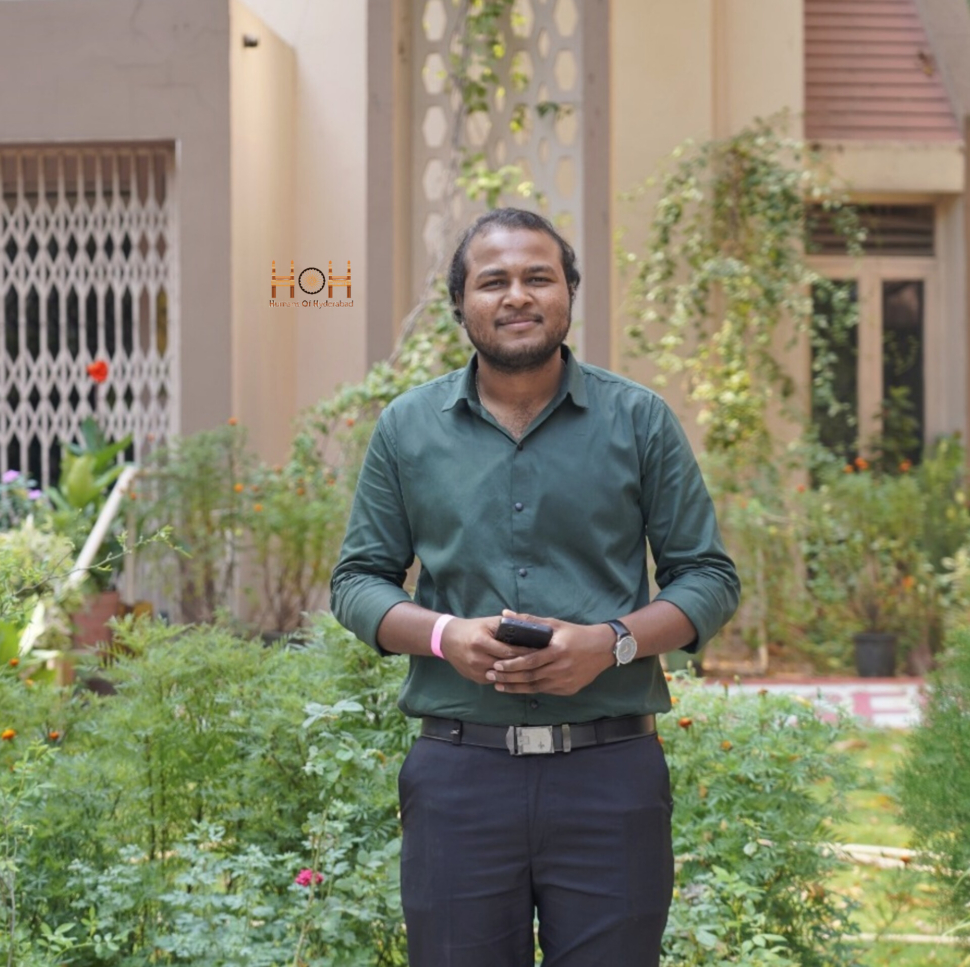
“People often ask where my journey into innovation began, expecting a lab or engineering college. It began in Dharmaram, a village near Nizamabad, where I grew up.
I studied in a missionary school that gave me discipline, but I was always curious how things worked. Reading about Dr. K. Visalini and Dr. APJ Abdul Kalam’s encouragement of young innovators convinced me no dream was too big.
At 18, I developed an encryption code language to secure confidential hard-copy documents, naming it Lingvia of Rayangleror. I wrote to the President of India; the proposal was forwarded to ISRO for examination, and the research earned six copyrights. Before formally studying Computer Science, I visited engineering colleges during Intermediate to talk with students and professors. Most people took me seriously from the start, and I kept returning. SRM University Amaravati encouraged me, a KL University professor guided me, and an elder brother nearby taught me to code in Turbo C. Those years, 2017-18, became my foundation.
I came to Hyderabad for my B.Tech in Computer Science, continuing my research. Through the Vande Mataram Foundation, I met Brigadier P. Ganesham, former Missile Director, whose “Windy” weapon platform had earned the Indian Army’s first-ever patent. He said, “I will support your research. Do what you want to do.” Those words changed my life. He connected me with scientists, supported my education, and became my strongest foundation.
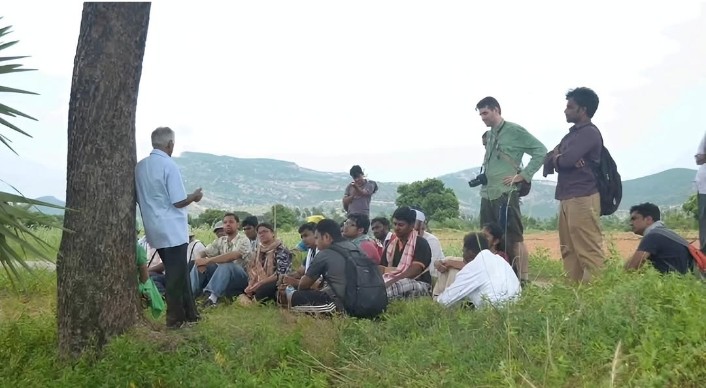
Through him, I joined Palle Srujana and began Chinna Shodh Yatras, walking through villages for days. I learned innovation isn’t complexity but empathy. India isn’t short of ideas. It lacks people willing to listen.
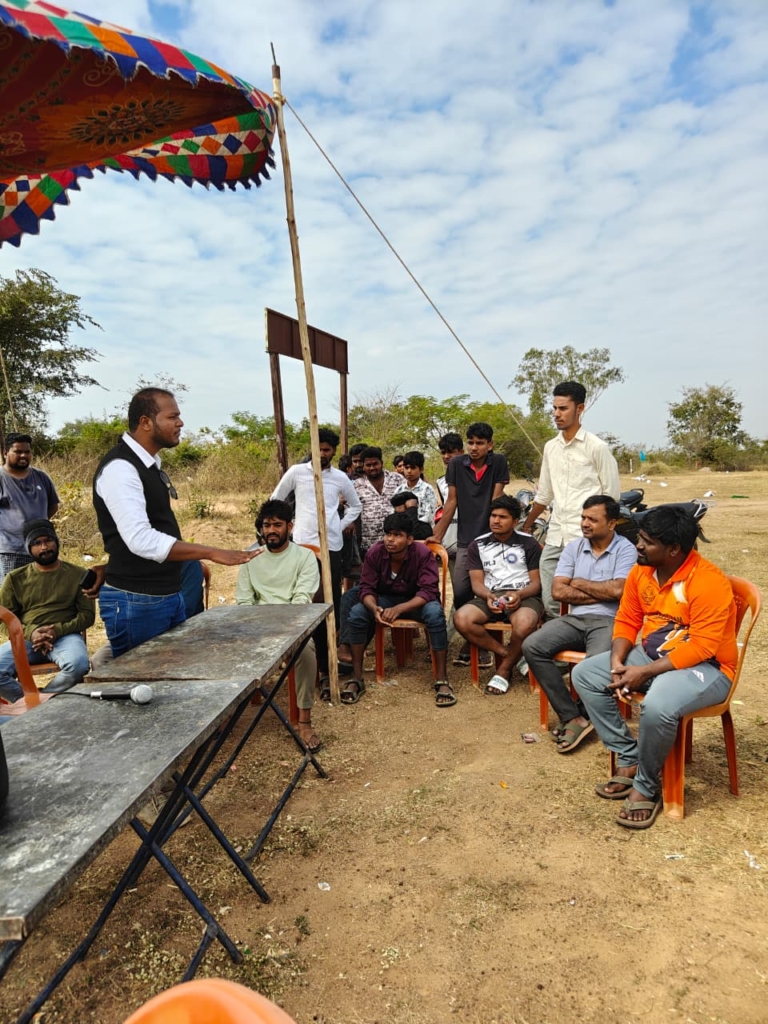
After graduating in 2024, I joined the Atal Community Innovation Center as a Project Intern, then the Centre for Innovation and Social Transformation. This led to the Community Innovator Fellowship under NITI Aayog’s Atal Innovation Mission, 2025-26, which trains fellows in design thinking: understand the real problem first, define it clearly, come up with ideas, build a prototype, and test it with the people it is meant for.
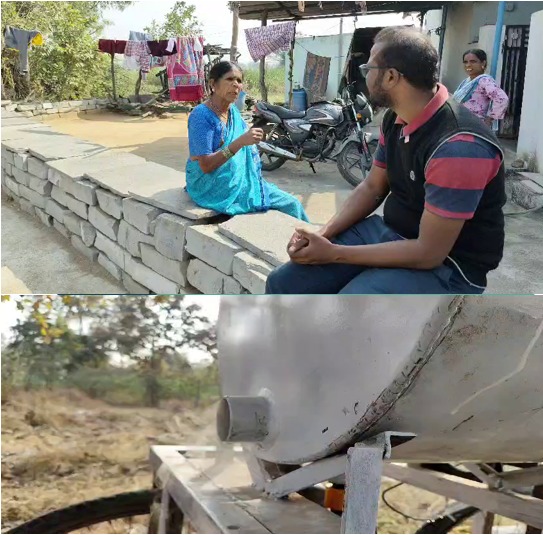
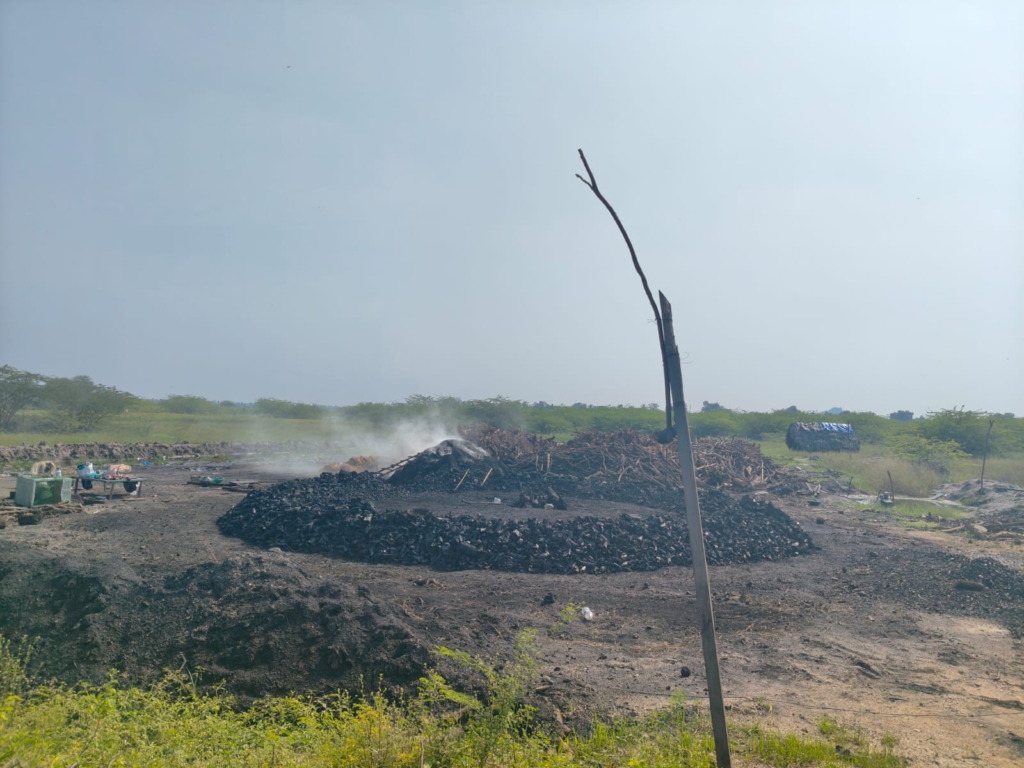
My problem statement came from a Yatra near Ananthagiri, where villages like Dornal, Kerelli, Antaram and Sarpanpalli burn cotton stalks after harvest. Farmers knew it harmed health and soil, but rotovation was unaffordable against thin returns, so they burned by necessity, not choice.
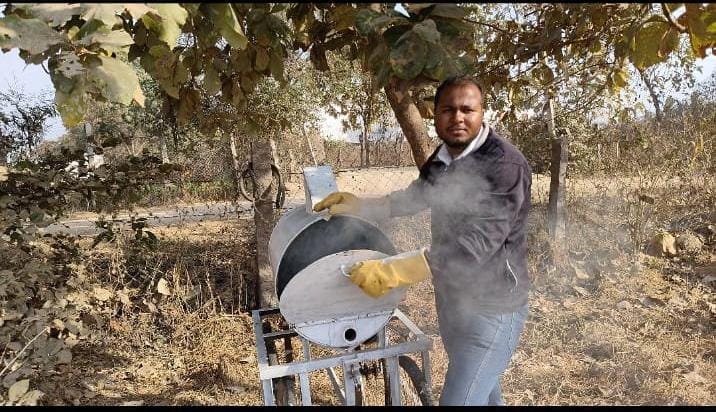
Staying nearly a month there, I designed a portable Eco-Burner using mild steel sheets, with a combustion chamber that holds about 50 kg of residue and a condensation chamber that reduces smoke. The residue becomes biochar, a soil enhancer, not waste.
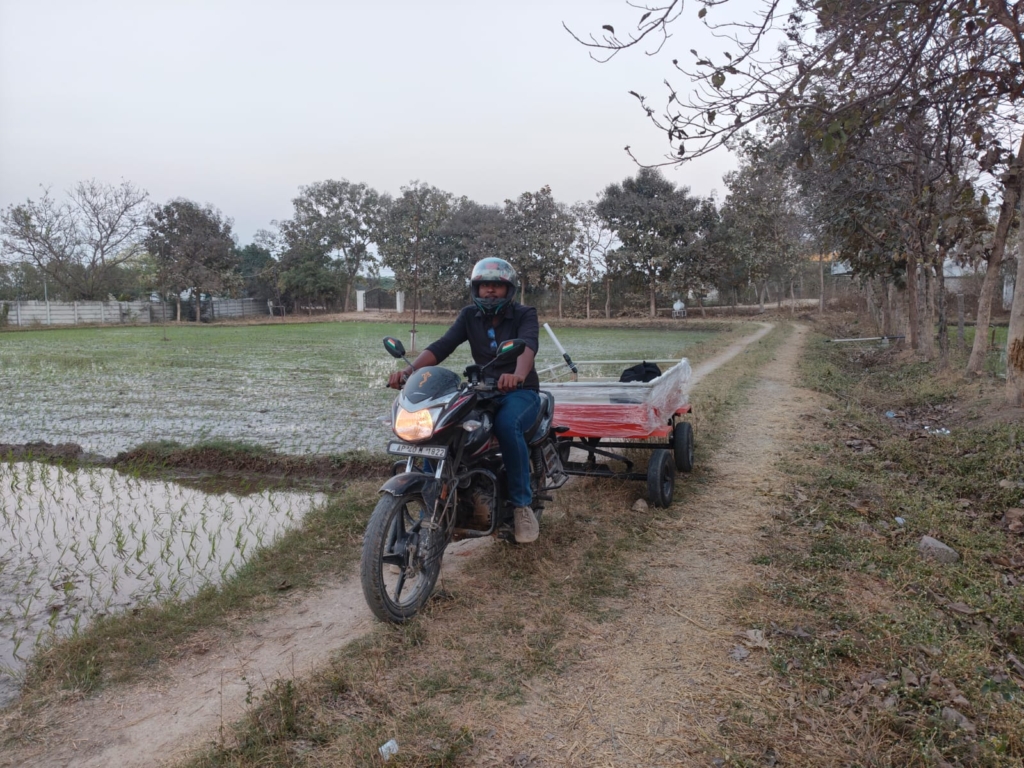
Transporting it was the next problem, so I designed a Bike-Trolley towable by motorcycle on narrow paths. It also began carrying workers to fields, cutting transport costs.
Two Eco-Burner models exist today: one deployed in Chilkoor, another ready for Dornal next season.
The guidance of Brigadier Ganesham sir and Palle Srujana gave me exposure to grassroots innovators and industries; the Atal Community Innovation Center funded the fellowship.
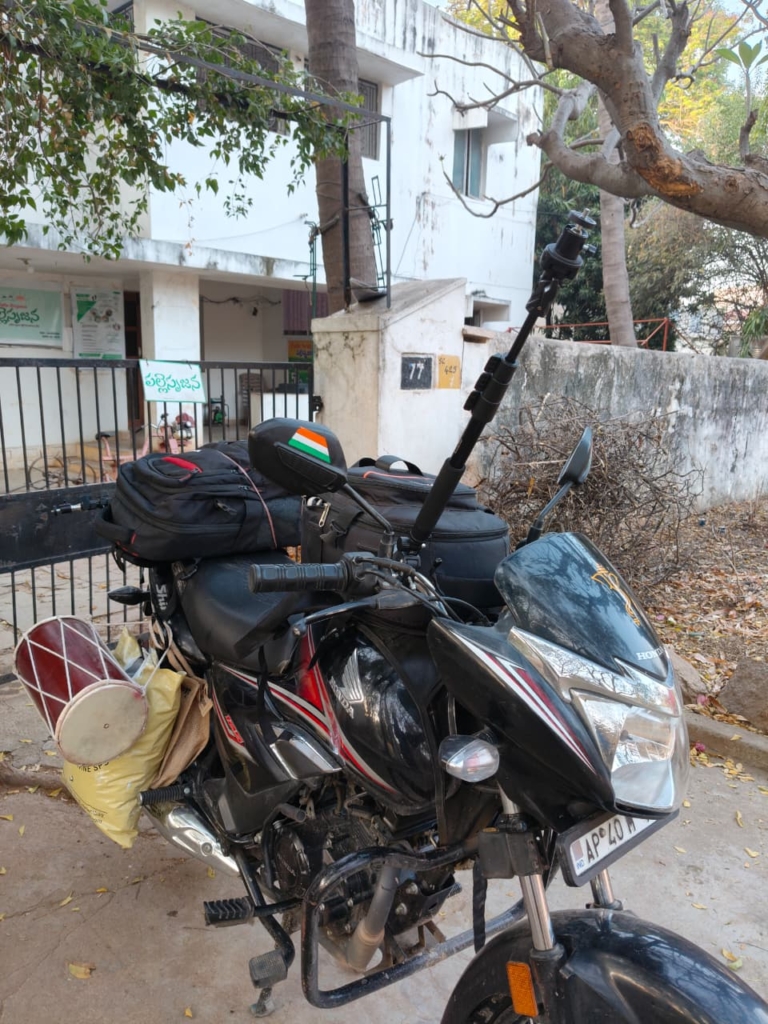
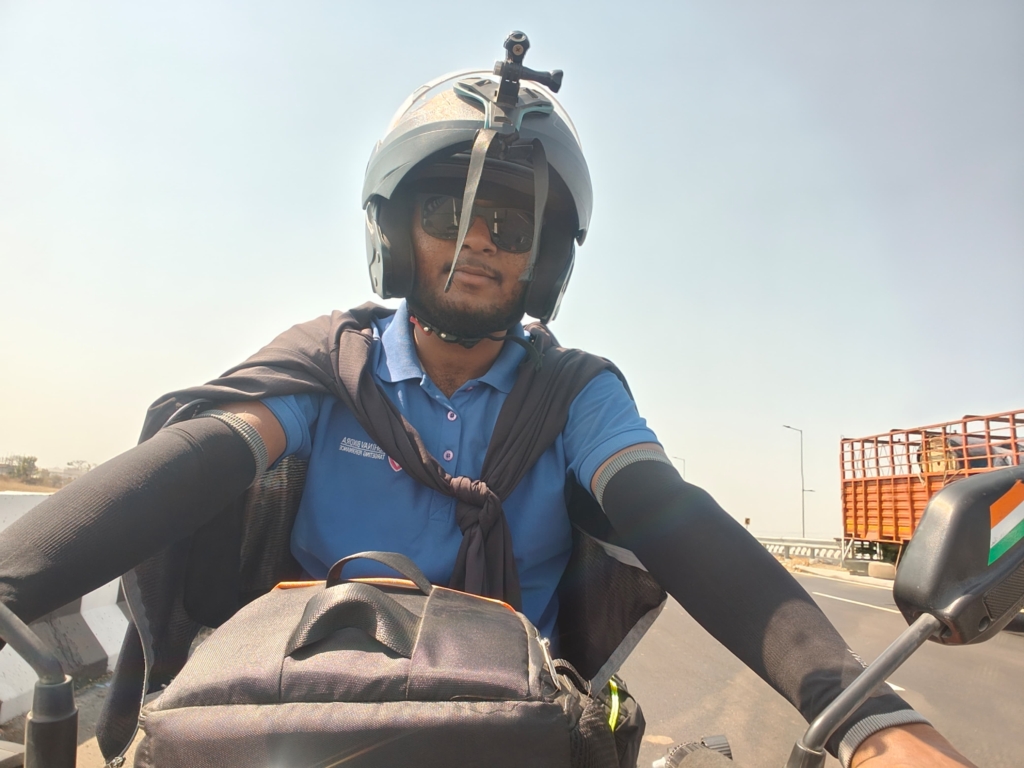
Travel means understanding how people live. Each village carries its own struggles and knowledge. During my B.Tech, I ran Ignite competitions in village schools, sharing ideas with Palle Srujana, the National Innovation Foundation and Honey Bee Network. Innovation has no age; a young mind just needs someone willing to listen. My dream is a Ph.D. in Grassroots Innovation and eventually teaching, passing on what my research gave me. My family’s debt-free philosophy stays with me.
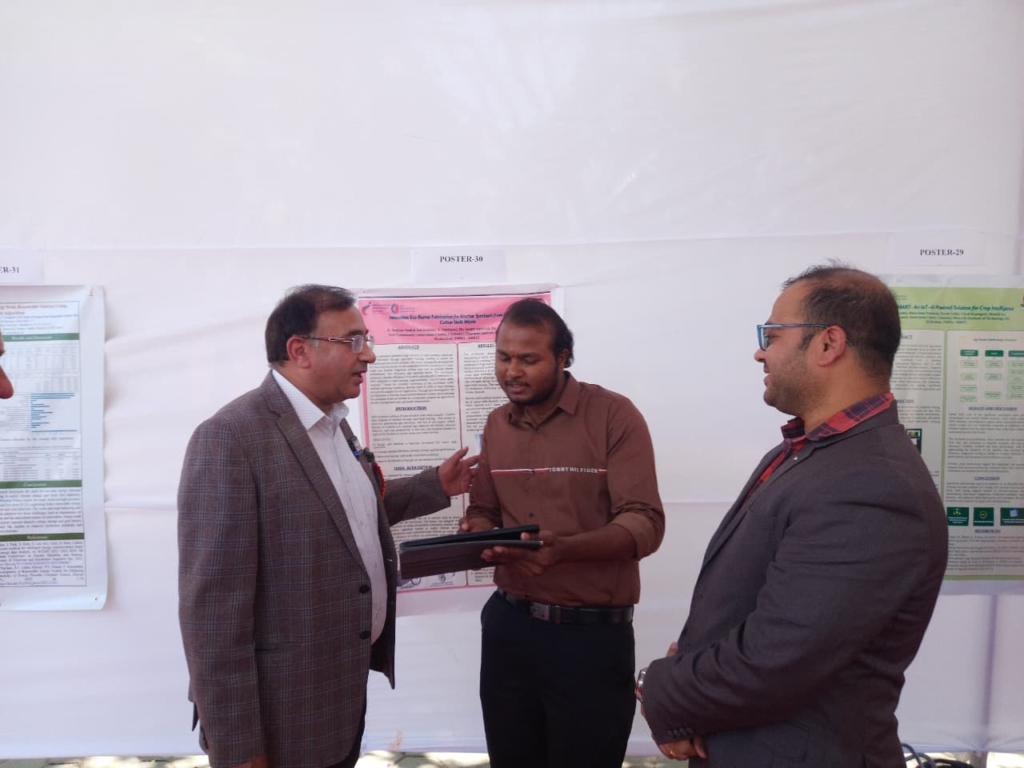
I don’t measure this journey by patents or prototypes, but by the people I’ve met, the villages that welcomed me, and the problems that became my responsibility. Innovation has never been about extraordinary technology. It has always been about making ordinary lives a little better.”
- B.Mohan Venkat Sai Krishna,
Niti Aayog CIF Fellow